
Numbers Unpacked: Part 4 – Lessons from the Wilderness (Numbers 22–25)
- Dr. Layne McDonald
- Dec 30, 2025
- 5 min read

Ever notice how the biggest temptations often show up right before major breakthroughs? Israel's about to enter the Promised Land after 40 years of wandering, and suddenly they face their most sophisticated attack yet: one that doesn't involve armies or battles, but something far more dangerous: compromise from within.
Numbers 22-25 gives us front-row seats to one of the most fascinating psychological warfare campaigns in Scripture. It's the story of Balaam, talking donkeys, and how old temptations have a way of reappearing just when we think we've got our act together.
When Fear Meets Desperation
King Balak of Moab has a problem. Israel's camped on his doorstep, and he's heard what happened to other nations that got in their way. Military defeat isn't an option: Israel's too strong. So Balak gets creative and hires Balaam, a soothsayer with an international reputation for effective curses.
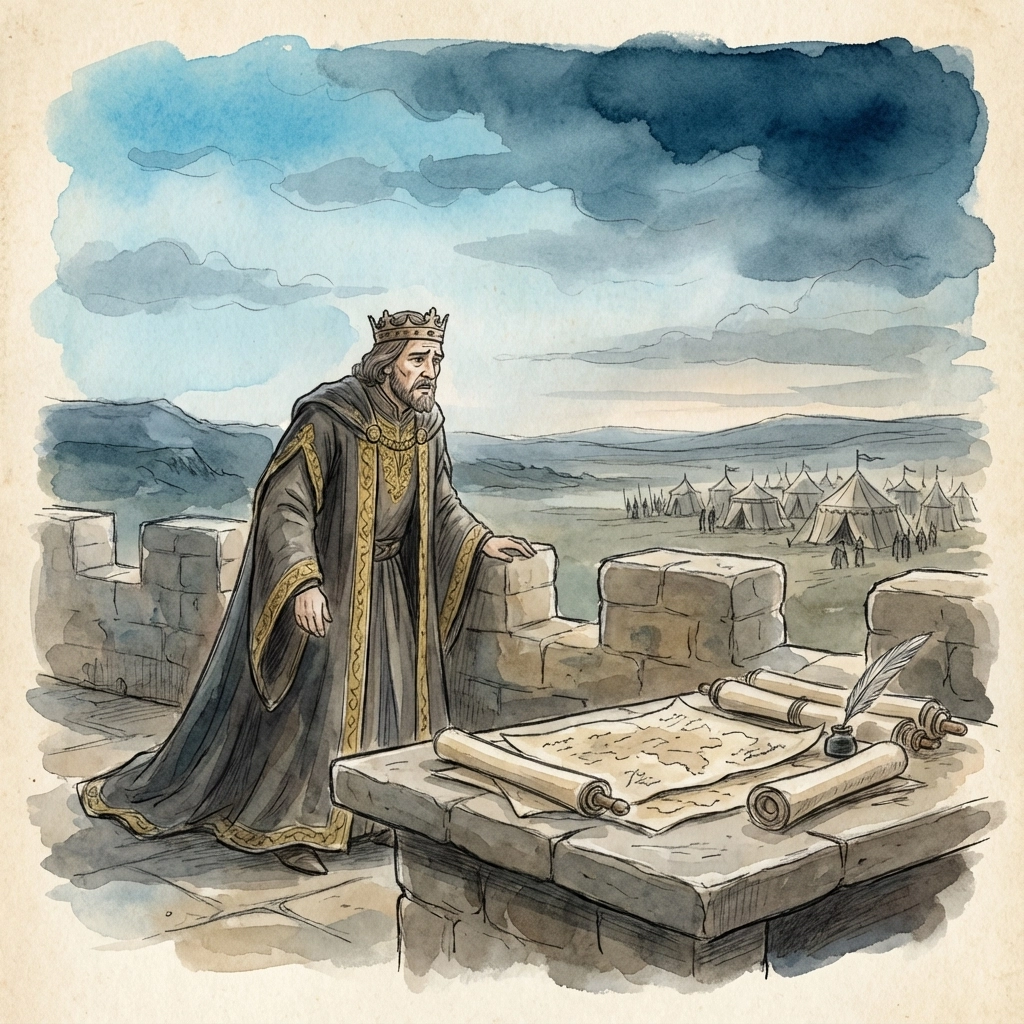
Think about this for a moment: when people can't defeat you directly, they often resort to manipulation, rumors, or trying to get you to defeat yourself. Balak couldn't touch Israel on the battlefield, so he attempted spiritual warfare through a hired gun.
Balaam's response reveals everything about his character. God tells him straight up: "Don't go. Don't curse them. They're blessed." But when Balak sweetens the deal with more money, Balaam asks God again. It's like asking your parents the same question hoping for a different answer when you already know what they said the first time.
The Talking Donkey Intervention
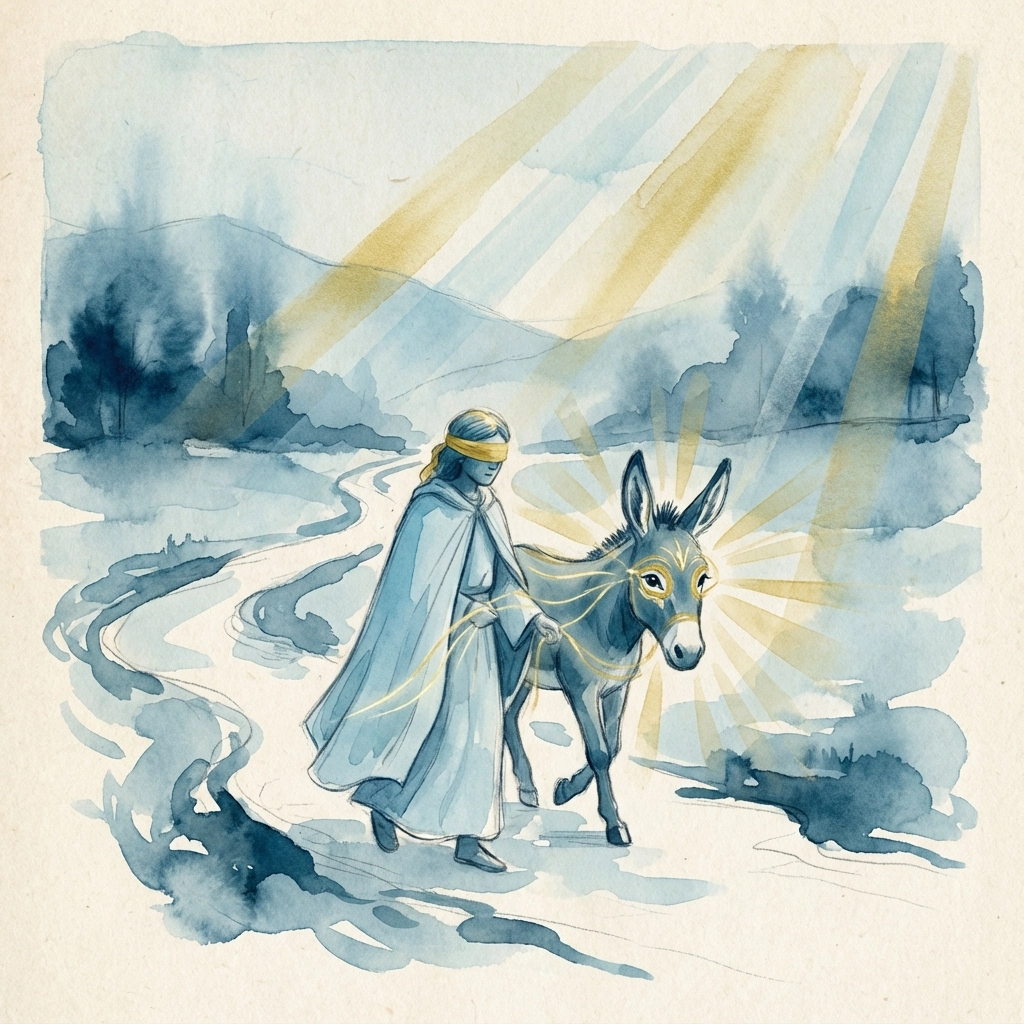
Here's where things get wild. God lets Balaam go but sends an angel to block his path. The donkey sees the angel; Balaam doesn't. The donkey saves Balaam's life three times, and Balaam beats the animal for it.
Finally, God opens the donkey's mouth: "What have I done to you, that you have struck me these three times?"
Can you imagine that conversation? Your ride starts giving you a lecture about your life choices. But here's the deeper truth: Balaam's so spiritually blinded by greed that a donkey has better spiritual vision than he does.
The Irony of Blessing
When Balaam finally reaches Balak, something beautiful happens. Every time he opens his mouth to curse Israel, blessings pour out instead. God literally hijacks Balaam's words and turns intended curses into powerful prophecies about Israel's future greatness.
Three times Balak tries. Three times Balaam blesses Israel instead. Balak's furious, but there's nothing he can do. God's protection of His people is absolute, even when they don't realize they're under attack.
Discussion Question for Your Group:Can you think of a time when someone tried to harm you, but God turned it into a blessing? How did you recognize His protection?
The Real Danger: Compromise from Within
Here's where the story takes a dark turn. Since Balaam can't curse Israel directly, he gives Balak different advice: "Get them to sin, and God will curse them Himself." It's brilliant in its evil: use Israel's weaknesses against them.
The plan works. Israel starts getting involved with Moabite women, which leads to worshiping Baal of Peor. Sexual immorality and idolatry go hand in hand, and suddenly Israel's facing judgment from God in the form of a plague that kills 24,000 people.
Notice how this happens: it's not dramatic. It's gradual compromise. A little flirtation here, a little cultural accommodation there. Before they know it, Israel's worshiping false gods and facing the consequences.
The Phinehas Moment
The plague only stops when Phinehas takes decisive action against the sin in the camp. He doesn't wait for a committee meeting or a pastoral search. He sees the problem, addresses it immediately, and God's wrath is turned away.
Sometimes loving people means confronting sin directly rather than enabling it through silence.
What This Means for Us Today
The Balaam Spirit Is Still Active
We live in a culture full of "Balaams": people who know better but choose personal gain over obedience. They'll compromise their values for the right price, whether it's financial, social, or professional advancement.
But here's the challenge: are we sometimes our own Balaams? Do we ever ask God the same question multiple times hoping He'll change His mind when we already know His will?
Spiritual Blindness Through Greed
Balaam's donkey could see what Balaam couldn't. When we prioritize material gain over spiritual obedience, we develop a kind of spiritual blindness. We miss God's warnings, His protection, and His guidance because we're focused on the wrong things.
Gradual Compromise Is Deadly
Israel didn't wake up one morning and decide to worship Baal. It was a process: relationships, cultural accommodation, small compromises that led to big consequences. The same pattern happens today. We don't usually fall into major sin suddenly; we slide into it gradually.

Discussion Questions for Your Group:
Where do you see "Balaam spirits" operating in our culture today?
What are some areas where gradual compromise might be affecting your walk with God?
How can we develop better "spiritual vision" to see God's protection and warnings in our daily lives?
When have you had to take a "Phinehas moment": addressing sin directly rather than enabling it?
The God Who Protects and Corrects
This passage shows us both sides of God's character. He protects Israel from external attacks: Balaam literally cannot curse them despite being paid to do so. But He also corrects them when they choose sin over obedience.
God's love isn't permissive; it's protective. He won't let others destroy us, but He also won't let us destroy ourselves without consequences. The plague was judgment, but it was also mercy: stopping the behavior that would have led to even greater destruction.
Moving Forward
As we prepare for the final part of our Numbers journey, remember that the wilderness was never meant to be permanent. Israel's about to enter the Promised Land, but first they needed to learn these crucial lessons about obedience, compromise, and God's faithfulness.
The same is true for us. Our current season might feel like wandering, but God's using it to prepare us for what's next. The question is: are we learning the lessons He's trying to teach us, or are we going to keep repeating the same patterns?
Don't let the enemy's most sophisticated attacks: compromise, gradual drift, spiritual blindness: steal what God has prepared for you. Stay alert, stay obedient, and remember: the God who protects you from external enemies will also give you strength to overcome internal weaknesses.
Ready to dig deeper into these wilderness lessons? Join us next week for the final part of Numbers Unpacked, where we'll see how this wilderness generation passes the torch to the next one and what that means for our own spiritual legacy. If you're finding these studies helpful, consider exploring our leadership resources to strengthen your own spiritual foundation and help others navigate their wilderness seasons too.
Your breakthrough might be closer than you think( don't let Balaam's tactics derail you now.)
Comments