
Power, Abuse, and the Holiness of Accountability in Church
- Dr. Layne McDonald
- Dec 30, 2025
- 5 min read

Some conversations in the church happen in whispers. Stories shared in parking lots after service, phone calls that start with "I don't know who else to tell," and wounds carried in silence for years. Today, we're bringing one of those whispered conversations into the light: spiritual abuse, the misuse of power, and why accountability isn't just a good idea, it's holy work.
This isn't about pointing fingers or causing division. This is about protecting people Jesus died for and creating the safe, healing communities God intended the church to be.
When Shepherds Become Wolves
Spiritual abuse happens when leaders use their God-given authority to control, manipulate, and harm rather than serve and protect. Unlike secular power structures, spiritual leadership comes with a sacred trust, people open their hearts, share their deepest struggles, and seek guidance for their most important life decisions.
When that trust gets weaponized, the damage goes deeper than professional disappointment. It strikes at the core of someone's faith, their relationship with God, and their ability to trust spiritual community ever again.
What Does Spiritual Abuse Look Like?
Spiritual abuse often includes:
• Manipulation disguised as spiritual guidance - Using God's name to pressure people into decisions that benefit the leader • Isolation tactics - Cutting people off from other relationships or sources of input • Financial exploitation - Pressuring excessive giving or using church resources for personal gain • Emotional manipulation - Shaming, guilt-tripping, or threatening spiritual consequences for disagreement • Sexual misconduct - Any inappropriate sexual behavior or boundary violations • Information control - Preventing access to outside perspectives or demanding absolute loyalty
The most insidious part? Abusive leaders often use spiritual language to justify their behavior. They'll claim God told them something, question your faith if you disagree, or suggest that submitting to their authority equals submitting to God.

The Anatomy of Institutional Failure
Here's the hard truth: spiritual abuse rarely happens in a vacuum. It thrives in environments where accountability has broken down or never existed in the first place.
How Churches Enable Abuse:
Inadequate Oversight Structures - Many churches have no meaningful accountability for senior leaders, or the accountability structures exist on paper but aren't actually enforced. When pastors report only to boards they've handpicked or dominated, real oversight disappears.
Culture of Untouchable Leadership - Some churches create an atmosphere where questioning leadership equals questioning God. Phrases like "touch not God's anointed" get twisted to protect leaders from any criticism, even when that criticism is valid and necessary.
Fear-Based Silence - Members fear retaliation if they speak up. They worry about being labeled troublemakers, losing their church community, or having their faith questioned. This fear keeps victims isolated and predators protected.
Institutional Self-Preservation - Sometimes churches prioritize protecting their reputation over protecting their people. They handle abuse "internally" to avoid scandal, but this often means sweeping it under the rug rather than addressing it properly.
What Biblical Accountability Actually Looks Like
Real accountability isn't about creating a police state in the church. It's about creating structures that protect both the flock and faithful shepherds from the corruption that power can bring.
Scripture gives us clear principles:
Multiple Witnesses and Due Process - "Against an elder receive not an accusation, but before two or three witnesses" (1 Timothy 5:20). This protects leaders from false accusations while ensuring serious concerns get proper investigation.
Public Rebuke When Necessary - "Them that sin rebuke before all, that others also may fear" (1 Timothy 5:20). When leaders sin, especially in ways that affect others, there must be public acknowledgment and consequences.
Shared Authority - The New Testament church model involves multiple elders, not one-man rule. Shared leadership creates natural checks and balances.
Transparency in Stewardship - Churches should be open about how money is used, how decisions are made, and what qualifications leaders must meet.
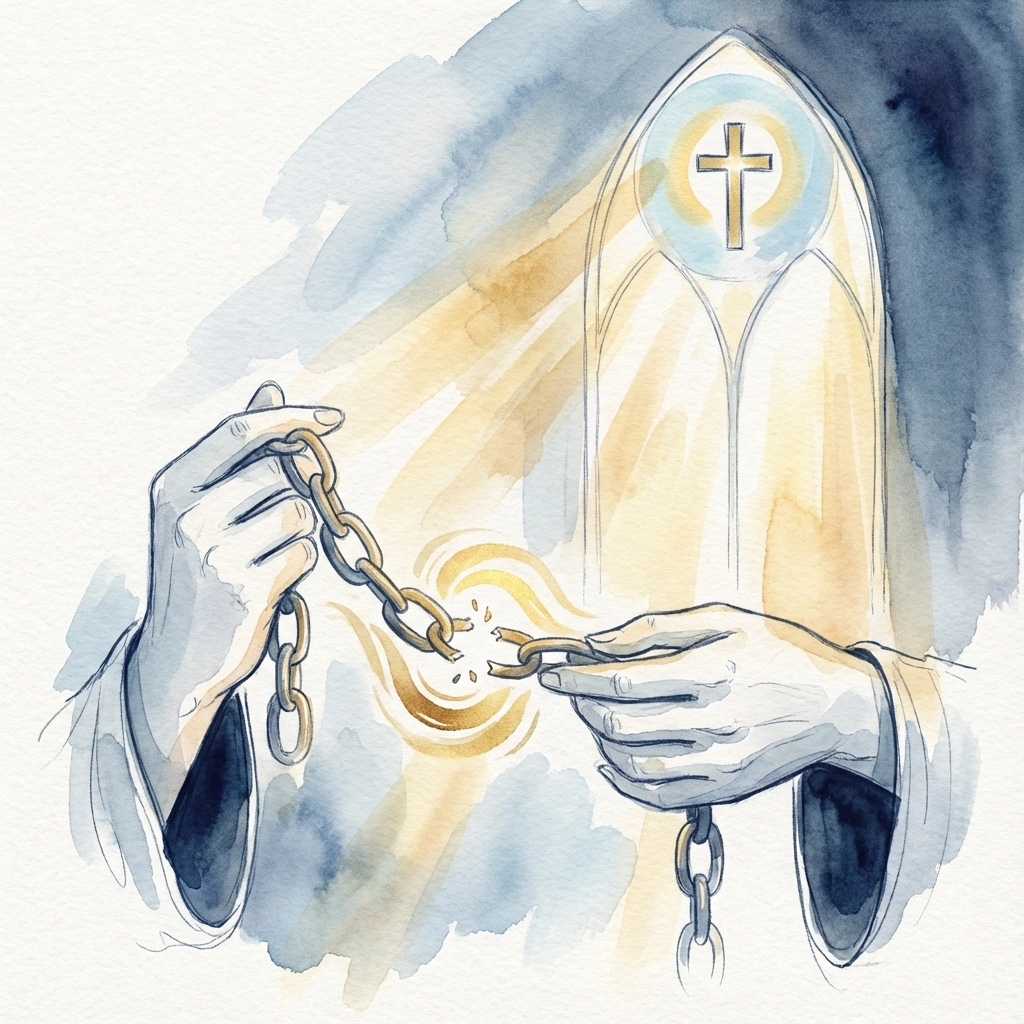
Creating Cultures of Safety
Preventing abuse requires intentional design, not good intentions alone. Here are practical steps every church can take:
Establish Clear Policies • Background checks for anyone working with vulnerable populations • Written codes of conduct for all leaders • Clear reporting procedures for concerns • Mandatory training on recognizing and preventing abuse
Build Real Accountability • Term limits for key leadership positions • Regular performance reviews for pastoral staff • Independent oversight for financial decisions • Open-door policies for concerns and complaints
Foster Healthy Culture • Encourage questions and dialogue • Celebrate diversity of thought within biblical bounds • Teach that leaders are servants, not kings • Create multiple pathways for people to serve and grow
Support Survivors • Believe people when they come forward • Provide professional counseling resources • Ensure reporting to authorities when required by law • Focus on healing, not institutional damage control
When Forgiveness Gets Weaponized
One of the most harmful responses to spiritual abuse is the pressure to "just forgive and move on." While forgiveness is indeed biblical, it's often misunderstood and misapplied in these situations.
Forgiveness doesn't mean: • Pretending the abuse didn't happen • Immediately restoring someone to positions of trust • Avoiding consequences or accountability • Putting victims at risk of further harm
True biblical restoration requires: • Genuine repentance (not just getting caught) • Making amends where possible • Submitting to appropriate accountability measures • Demonstrating changed behavior over time • Professional counseling or treatment when needed
The goal isn't punishment for its own sake, but protection for the community and genuine restoration for everyone involved.
The Holiness of Accountability
Why is accountability "holy work"? Because it reflects God's character and protects what He loves most: His people.
God Himself operates with perfect accountability within the Trinity. The Father, Son, and Holy Spirit work in perfect unity while maintaining distinct roles and relationships. Jesus submitted to the Father's will. The Spirit testifies of Christ, not Himself.
When we create structures that prevent the abuse of power, we're imitating God's own nature. We're saying that no human is above correction, that power exists to serve others, and that the vulnerable deserve protection.
Accountability honors God by: • Protecting those made in His image • Ensuring His church remains a place of healing, not harm • Demonstrating that His truth applies to everyone • Creating space for genuine repentance and restoration
Moving Forward with Hope
This conversation isn't meant to create suspicion or fear, but to inspire action. Most church leaders are faithful servants who would welcome accountability that protects them from false accusations and helps them serve more effectively.
The goal isn't perfect churches: those don't exist this side of heaven. The goal is safe churches where people can encounter God without fearing harm from His representatives.
If you've been hurt by spiritual abuse: • Your pain is real and valid • Healing is possible, though it takes time • Professional counseling can be incredibly helpful • There are healthy churches where you can find community again
If you're in leadership: • Welcome accountability as a gift, not a threat • Regularly examine your motives and methods • Invest in ongoing training and personal growth • Create systems that protect both you and those you serve
The church at its best is a beautiful reflection of God's heart for community, healing, and transformation. By taking accountability seriously, we can help ensure it remains that place of hope for generations to come.
Whether you're a survivor seeking healing, a leader wanting to serve better, or someone who just wants to understand these issues more deeply, I'm here to help. Through coaching, resources, and ongoing conversations, we can work together to create churches that truly reflect God's heart for His people.
Because protecting the vulnerable isn't just good policy( it's holy work.)
Comments