
Practical Faith: Managing Your Digital Habits for Spiritual Health
- Dr. Layne McDonald
- Feb 17
- 4 min read

Updated: May 5
Your phone buzzed three times while you read that title. Maybe you didn't notice. Maybe you did, and your hand twitched toward your pocket without you even thinking about it.
That little reflex? It's more common than you think: and it might be quietly shaping your spiritual life in ways you haven't considered.
I'm not here to shame you about screen time or tell you to throw your smartphone into a lake. Technology is a tool, and like any tool, it can build something beautiful or tear something down. The question isn't whether you use digital devices. The question is whether your digital habits are supporting your walk with God: or slowly pulling you away from it.
The Real Problem: Distraction Disguised as Connection
Here's something most of us don't talk about enough: our phones promise connection but often deliver isolation. We scroll through feeds while sitting next to people we love. We check notifications during prayer. We reach for our devices the moment silence settles in: the very silence where God often speaks.
Research tells us that smartphones diminish three critical aspects of spiritual life: solitude, focus, and empathy. That "always-on" feeling makes genuine quiet time nearly impossible. And the constant mental switching: jumping from text to app to video to email: erodes the kind of deep attention that meaningful spiritual reflection requires.
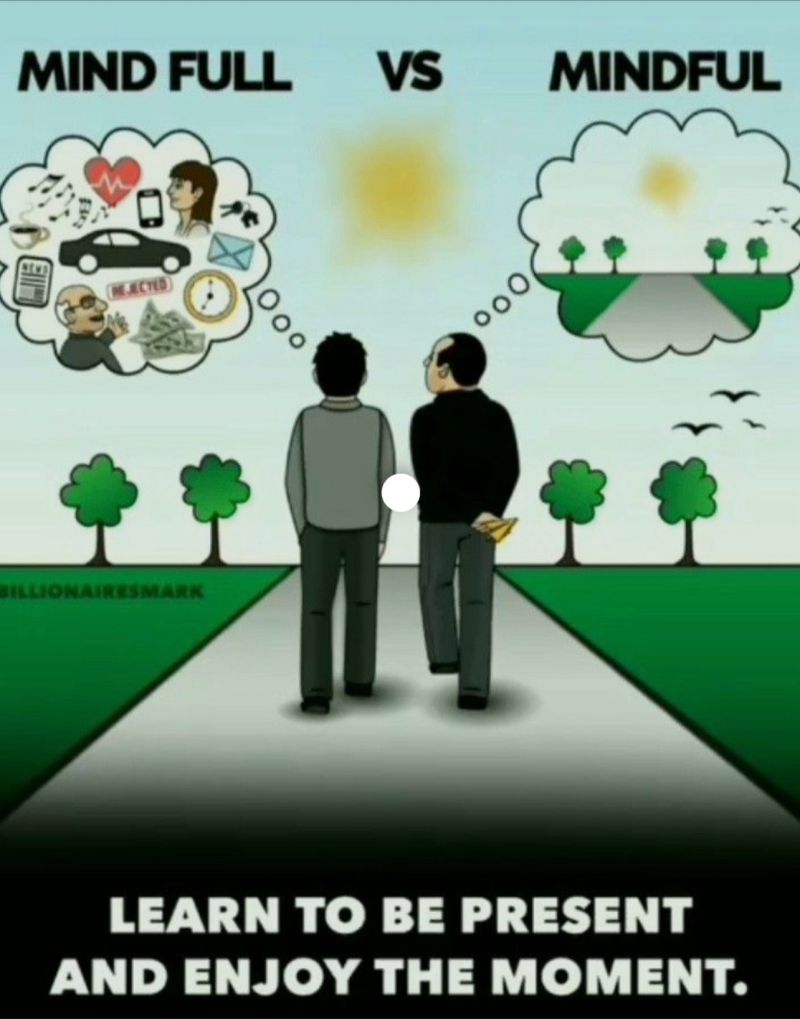
There's also something called the "associative meaning problem." If you use your phone primarily for games, social media, and entertainment, your brain carries those associations over: even when you open a Bible app. Your mind expects distraction, not devotion. You might be reading Scripture, but your brain is already anticipating the next notification.
Heavy technology use quietly trades away things we desperately need: face-to-face conversations, physical rest, family time, and yes: spiritual practices.
You're Not Alone in This Struggle
If you've ever felt guilty about your screen time, or noticed that your prayer life feels shallow lately, or wondered why you can't seem to focus during worship: take a breath. You're not broken. You're human.
We live in an era designed to capture and hold our attention. Apps are built by teams of brilliant engineers whose job is to make you scroll just a little longer. Notifications are timed to pull you back in. The deck is stacked.
Recognizing this isn't an excuse: it's wisdom. You can't fight an enemy you don't understand. And the first step toward healthier digital habits is simply acknowledging: this is hard for almost everyone.
The good news? Small, intentional changes can make an enormous difference. You don't have to overhaul your entire life by tomorrow morning. You just need to take one next step.
Practical Steps Toward Digital Health
Let's get specific. Here are some mentor-tested strategies that can help you reclaim mental clarity and create space for spiritual growth:
1. Create Intentional Boundaries
Think about when and where your phone doesn't belong. Maybe it's the dinner table. Maybe it's the first 30 minutes after you wake up. Maybe it's your bedroom after 9 PM. Start with one boundary and protect it.
Designate "phone-free zones" in your home
Set specific times for checking email and social media rather than constantly refreshing
Use app timers or "Do Not Disturb" features during prayer and family time
2. Practice a Digital Fast
A digital detox doesn't have to mean going off-grid for a month. Try starting with one evening a week, or one morning on the weekend. An intentional break from screens removes distractions and creates space for spiritually renewing practices.
God built the need for rest into our very nature. Sabbath isn't old-fashioned: it's essential. And in our digital age, sometimes the most radical act of rest is simply putting the phone in a drawer.
3. Transform Your Bible Study Approach
Here's a simple but powerful shift: when you sit down to read Scripture, turn off all devices and use a print Bible instead.
There's something about holding physical pages, free from notifications and hyperlinks, that allows your mind to settle. You stand a much better chance of hearing from God when you're not simultaneously hearing from everyone else.
4. Recenter Your Identity
Social media trains us to measure our worth in likes, shares, and comments. But those metrics have nothing to do with your value in Christ. You were loved before you ever posted anything. Your identity is not your online presence.
Combat this drift by regularly meditating on God's love and your worth as His child. Your brain constantly rewires itself based on your habits: so intentional spiritual practices can literally reshape your thinking over time.
5. Model Healthy Balance for Others
If you have kids, grandkids, or anyone watching your example, remember: they're learning from what you do more than what you say. Intentionally modeling healthy technology use teaches the next generation that they don't have to be enslaved to their devices.

The Spiritual Anchor: What Scripture Says
Psalm 46:10 offers an invitation that feels almost countercultural today: "Be still, and know that I am God."
Stillness is where God often meets us. But stillness has become almost impossible when our pockets vibrate every few minutes.
Consider also Philippians 4:8: "Finally, brothers and sisters, whatever is true, whatever is noble, whatever is right, whatever is pure, whatever is lovely, whatever is admirable: if anything is excellent or praiseworthy: think about such things."
What we feed our minds matters. The content we consume shapes our thoughts, our emotions, and eventually our actions. Managing your digital habits isn't about legalism or earning God's approval: it's about protecting the soil of your heart so good things can grow.
The Fruit of Reclaiming Balance
When you begin to manage your digital habits with intention, something beautiful happens. A quietness of spirit returns. The constant need to check, scroll, and respond decreases. You find yourself more present with the people in front of you: and more present with God.
Most importantly, you may discover that God was speaking to you all along. You were simply too distracted to listen.
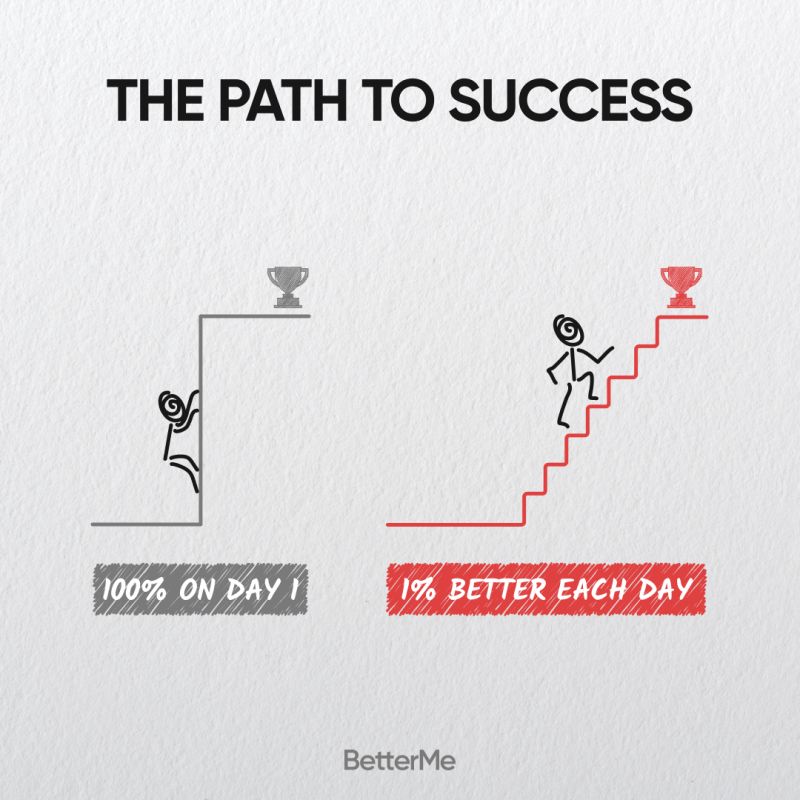
This journey toward digital health isn't about perfection. It's about progress. One boundary at a time. One phone-free morning at a time. One honest prayer at a time.
You can do this: not in your own strength, but with the help of a God who wants to meet you in the quiet.
Comments