
"I Don't Feel Loved Here": Healing the Church's Belonging Gap
- Dr. Layne McDonald
- Dec 30, 2025
- 4 min read

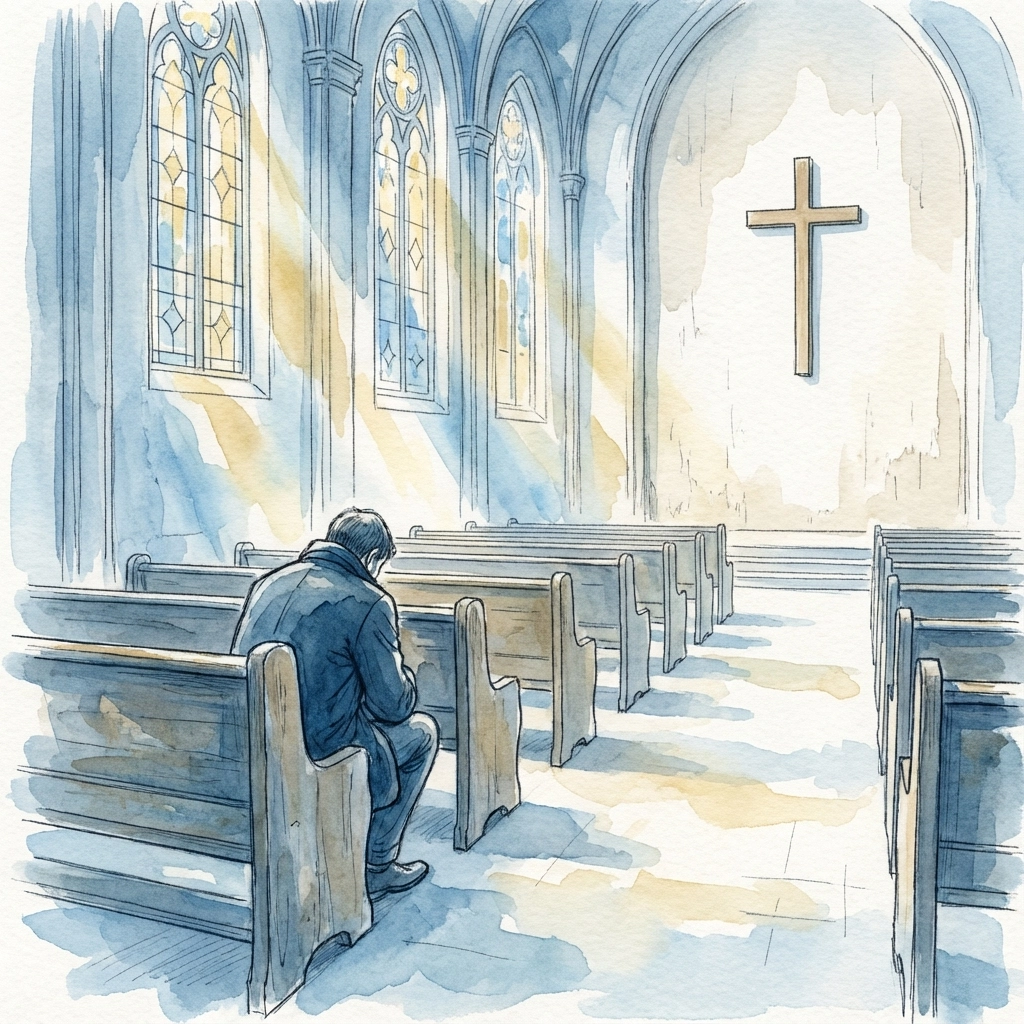
Sarah sits in the same pew every Sunday, surrounded by hundreds of people who know her face but not her story. The pastor shakes her hand warmly at the door. Fellow congregants smile and ask how she's doing. Yet after two years of faithful attendance, she confesses to a friend: "I don't feel loved here."
Sarah's experience isn't rare: it's epidemic. Churches across America are grappling with what researchers call the "belonging gap": the painful disconnect between stated community values and lived relational reality.
The Invisible Wound in Our Pews
True belonging means more than friendly faces and warm handshakes. According to recent research, belonging requires genuine interconnectedness, regular contact, and reciprocal care: elements often missing in modern church life. As one researcher powerfully frames it: "Belonging is a way of saying to someone, 'everything here is yours because you are one of us.' It has nothing to do with membership or paying dues, but rather it is a shared sense of identity."
The opposite of belonging isn't hostility: it's invisibility. When people feel unknown, unneeded, and unconnected, they experience what psychologists call "loneliness in a crowd." They show up faithfully but leave feeling empty, wondering if anyone would notice their absence.
Friendliness Versus True Belonging
Most churches excel at friendliness but struggle with belonging. The difference is profound:
Friendliness says: "Good morning! How are you doing?" Belonging says: "I've been praying about what you shared last week. How did that appointment go?"
Friendliness says: "Welcome to our church!" Belonging says: "We saved you a seat. You're part of our story now."
Friendliness says: "See you next Sunday!" Belonging says: "Would you like to grab coffee this week and talk more about your questions?"
Friendliness is surface-level social courtesy. Belonging is soul-deep spiritual family. Churches can master the first while completely missing the second.
Why People Don't Feel Loved
The belonging gap stems from several systemic issues plaguing modern church culture:
Shallow Connections: Many churches prioritize programs over relationships. People attend events but never truly connect. They participate in activities but remain strangers to one another's hearts.
Consumer Mentality: When church becomes a service to consume rather than a community to serve, people remain perpetual outsiders looking in. They receive but never reciprocate, leading to one-sided relationships that feel hollow.
Clique Culture: Established groups unconsciously create invisible barriers. Long-term members develop deep friendships while newcomers circle the periphery, unable to break into existing social structures.
Performance-Based Acceptance: Some churches inadvertently communicate that you must look, act, or believe a certain way to truly belong. People sense they're being evaluated rather than embraced.

Practical Steps to Build Genuine Community
Healing the belonging gap requires intentional action. Here's how churches can move from friendly to family:
Create Multiple Connection Points
Don't rely solely on Sunday services for relationship building. Establish regular touch points throughout the week:
• Life groups that actually share life - Move beyond Bible study to include meals, service projects, and life celebrations • Mentorship programs - Pair newcomers with established members for intentional discipleship relationships • Serving opportunities - Nothing bonds people faster than working together for a common purpose
Practice Intentional Inclusion
Train your congregation to spot and embrace newcomers:
• The 10-foot rule - Anyone within 10 feet gets a genuine conversation, not just a wave • Follow-up culture - Make connecting with visitors a congregation-wide priority, not just a pastoral duty • Invitation mindset - Regularly invite people to homes, meals, and informal gatherings
Build Reciprocal Care Systems
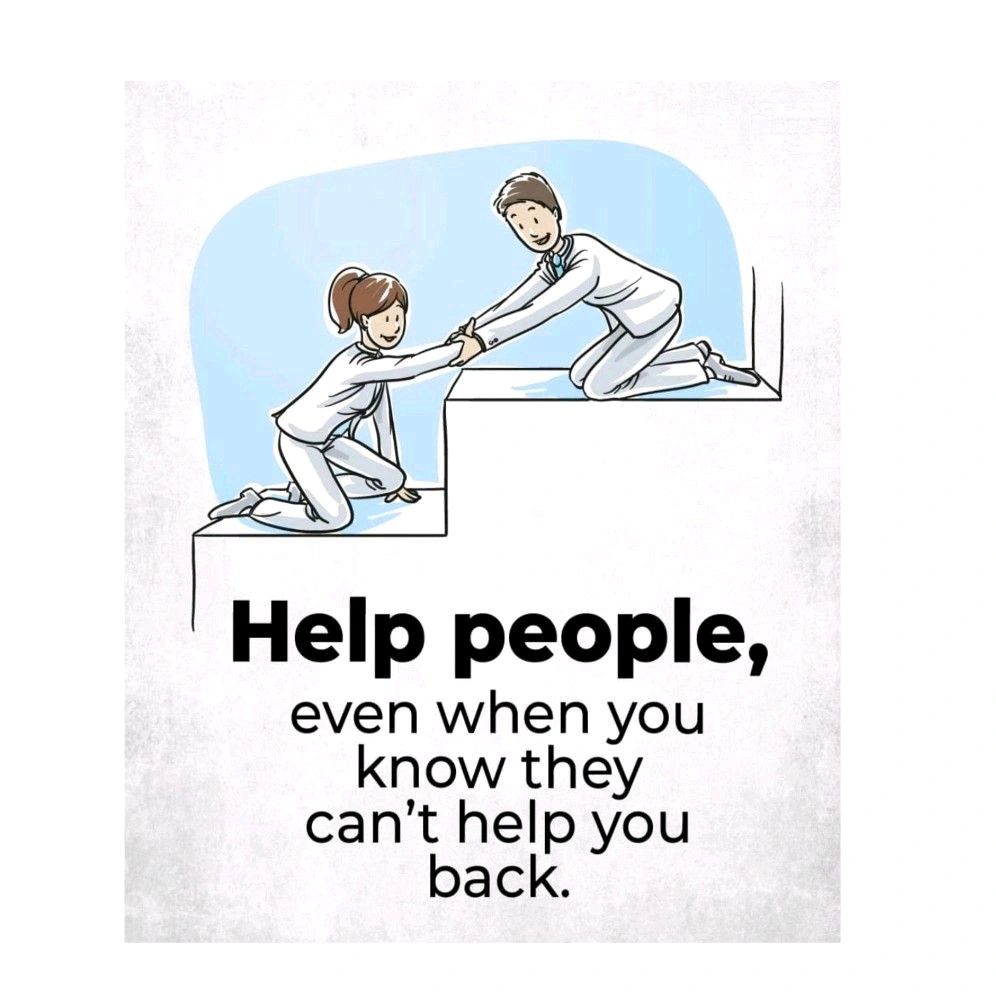
True belonging emerges when people both give and receive care:
• Prayer partnerships - Connect members for regular prayer and mutual support • Crisis response teams - Organize practical help for life challenges like illness, job loss, or family emergencies • Celebration coordinators - Ensure victories and milestones get acknowledged and celebrated
Making Small Groups Actually Work
Small groups often fail because they focus on curriculum instead of connection. Transform your groups by:
Starting with Relationship, Not Content: Spend the first 30 minutes of every gathering in genuine fellowship. Share meals. Tell stories. Create space for authentic conversation before opening any book.
Embracing Vulnerability: Model transparency from leadership down. When leaders share struggles and growth areas, others feel permission to drop masks and share authentically.
Serving Together: Groups that serve others bond faster and deeper than those that only study. Find regular ways to impact your community together.
Creating Rhythms of Care: Establish group practices for celebrating milestones, supporting during crises, and checking in beyond scheduled meetings.
Cultivating a Culture Where Everyone Belongs
True belonging starts with leadership intentionality and spreads through congregation-wide commitment:
Lead by Example
Pastors and church leaders must model inclusive behavior. When leadership actively pursues relationships with newcomers, members follow suit. Make newcomer connection a visible priority in your ministry rhythm.
Address Exclusion Directly
Don't ignore cliquish behavior or favoritism. Address these issues with grace but clarity. Teach about biblical community and the sin of partiality that James condemns.
Celebrate Diversity
Create space for different personalities, life stages, and backgrounds to contribute meaningfully. The body of Christ includes introverts and extroverts, singles and families, long-time believers and new converts.
Measure What Matters
Track relationship health, not just attendance numbers. Survey members about their sense of belonging. Ask newcomers about their experience. Use feedback to improve your community culture.
The Transformation Begins with You
Whether you're a pastor, long-time member, or newcomer yourself, you have the power to heal the belonging gap. Start by examining your own relationships within your church community:
• Are you known beyond surface level by at least three people in your congregation? • Do you actively pursue meaningful connection with others? • How do you respond when you see someone sitting alone or looking lost?
The church isn't a building: it's a people. And people are healed through genuine love expressed in tangible ways.
Your Next Steps Toward Deeper Community
If you're struggling with the belonging gap in your own church experience or leadership, you don't have to navigate this alone. Dr. Layne McDonald has helped countless pastors, leaders, and congregation members build authentic Christian community through practical coaching and biblical wisdom.
Ready to move from friendliness to true belonging? Explore our leadership resources or connect with our ministry for personalized coaching on building the relational culture your church desperately needs.
Don't settle for being friendly when God calls us to be family. The transformation starts with intentional relationships, and the time to begin is now.
Comments