
Secrets in the Sanctuary: Sexual Integrity, Addiction, and the Road to Freedom
- Dr. Layne McDonald
- Dec 30, 2025
- 6 min read

Sunday mornings can be the loneliest hour of the week for some Christians. They sit in pews, sing worship songs, and smile at familiar faces while carrying secrets that feel like lead weights in their chest.
"I love God... and I'm trapped."
"I'm a leader... and I'm hiding."
These whispered confessions happen more often than we'd like to admit. Sexual integrity struggles, pornography addiction, and secret behaviors create double lives that exhaust the soul and distance people from the very community that could help them heal.
The statistics tell a sobering story. Research consistently shows that sexual integrity struggles affect people across all demographics within the church, from teenagers to senior adults, from new believers to seasoned leaders. Yet most churches remain ill-equipped to handle these conversations with the grace and wisdom they require.
The Shame Spiral That Keeps Us Stuck
Shame thrives in darkness. It whispers lies like "You're the only one," "You're too far gone," and "If people really knew, they'd reject you." These lies create a vicious cycle where the very thing someone needs, authentic community and accountability, becomes the thing they fear most.
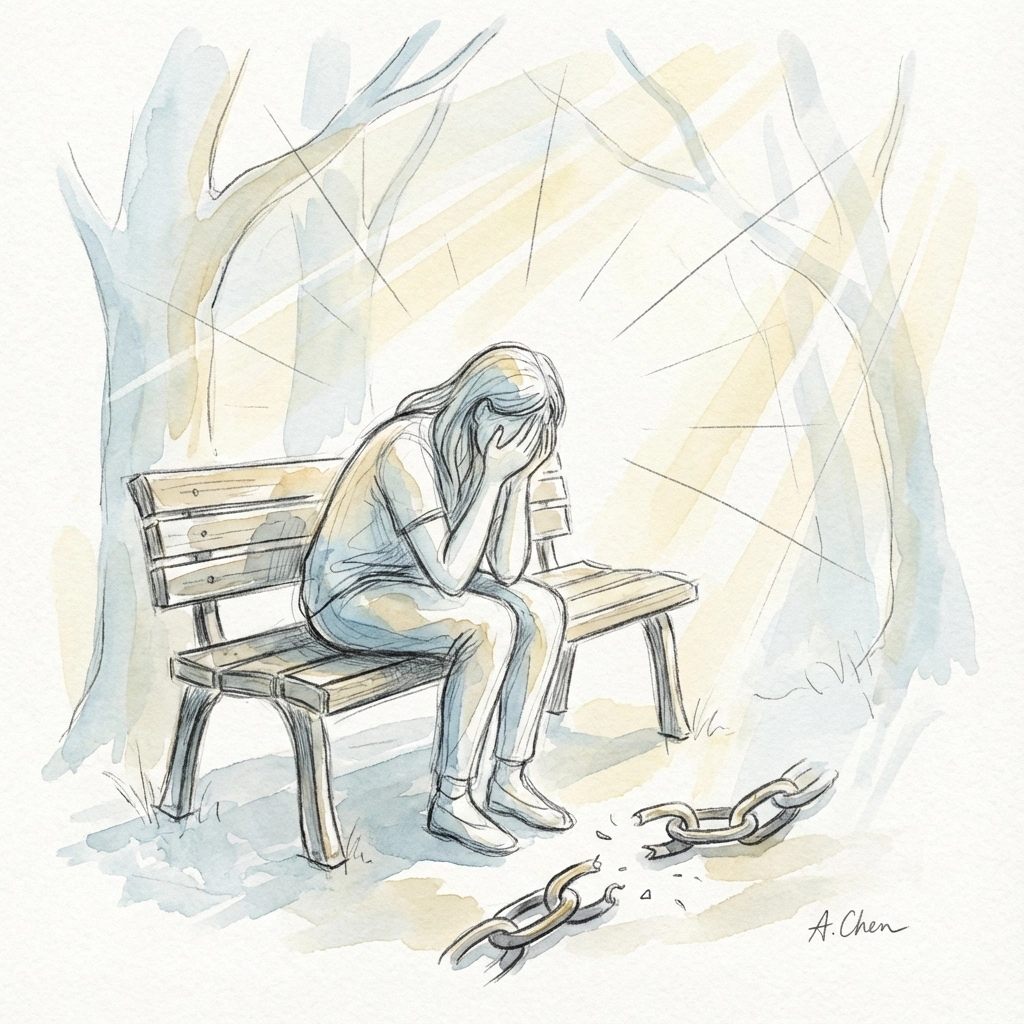
Dr. Layne McDonald, a seasoned coach and pastor who has walked alongside countless individuals through these struggles, explains: "Shame doesn't just accompany addiction; it fuels it. When someone believes they're fundamentally flawed or beyond help, they often turn to the very behaviors that initially provided temporary relief from emotional pain."
The church environment can unintentionally amplify this shame. When sexual integrity is only addressed through stern warnings or surface-level "just say no" approaches, people learn that these struggles are too dangerous to discuss openly. They conclude that confession leads to cancellation, not care.
This creates isolated believers who white-knuckle their way through temptation, cycle through repeated failures, and eventually either leave the church or develop elaborate systems of hiding. Neither option honors God or promotes genuine healing.
Creating Cultures of Care, Not Cancellation
Healthy churches recognize that sexual integrity struggles are discipleship issues, not character assassinations. The goal isn't humiliation: it's freedom. The objective isn't shame-based compliance: it's grace-powered transformation.
Churches that successfully address these issues share several common characteristics:
They normalize the struggle without normalizing the sin. Leaders acknowledge that sexual temptation affects everyone while maintaining clear boundaries about healthy behavior. They create space for honest conversations about difficulty without compromising biblical standards.
They distinguish between falling and failing. A slip doesn't equal a complete failure. They understand that healing often involves setbacks and they respond to relapses with renewed commitment to accountability rather than condemnation.
They focus on heart transformation, not just behavior modification. Surface-level changes rarely create lasting freedom. Effective approaches address underlying emotional needs, trauma responses, and spiritual disconnection that often drive compulsive behaviors.
The Truth About Accountability That Actually Works
Traditional accountability often resembles interrogation more than discipleship. Weekly check-ins that focus solely on "Did you or didn't you?" create environments where people become skilled at managing answers rather than managing their hearts.

Healthy accountability involves several key elements:
Relationship precedes rules. People need to experience genuine care and acceptance before they can receive challenging feedback. Accountability partners who lead with curiosity rather than judgment create safer environments for honesty.
Focus on patterns, not just incidents. Instead of obsessing over individual moments of struggle, effective accountability examines triggers, emotional states, relationship dynamics, and spiritual practices that either contribute to temptation or strengthen resistance.
Address the whole person. Sexual integrity struggles rarely exist in isolation. They often connect to stress management, relationship skills, emotional regulation, and spiritual formation. Comprehensive approaches address these interconnected areas.
Celebrate progress, not just perfection. Recovery involves multiple dimensions of growth. Someone might struggle with specific behaviors while simultaneously growing in honesty, humility, or willingness to seek help. Recognizing these positive changes sustains motivation during difficult seasons.
When Relapse Happens: Grace in Action
Relapse is often part of the recovery process, not proof that recovery has failed. Churches that understand this reality respond to setbacks with renewed support rather than withdrawal of relationship.
Grace doesn't mean lowering standards or ignoring consequences. It means maintaining hope when someone has lost hope in themselves. It means believing God's transformative power is greater than any person's track record of failure.

Dr. McDonald emphasizes this distinction: "Grace is not permission to continue destructive patterns: it's the power to break free from them. When churches offer genuine grace, they're not enabling sin; they're creating conditions where the Holy Spirit can do deep, lasting work in someone's heart."
Practical grace in sexual integrity recovery includes:
Immediate care during crisis moments. When someone reaches out for help after a relapse, the church's initial response sets the tone for their continued willingness to stay engaged in accountability.
Help processing shame and guilt in healthy ways. People need assistance distinguishing between conviction that leads to repentance and condemnation that leads to hiding.
Ongoing support during rebuilding phases. Recovery involves reconstructing daily routines, relationship patterns, and coping mechanisms. This process takes time and benefits from consistent encouragement.
Breaking the Silence: Leadership and Vulnerability
Church leaders play crucial roles in creating environments where sexual integrity can be addressed honestly. When pastors and other leaders demonstrate appropriate vulnerability about their own struggles and growth areas, they model the kind of authenticity that gives others permission to be real.
This doesn't mean sharing graphic details or inappropriate information. It means acknowledging that everyone needs accountability, everyone faces temptation, and everyone benefits from community support in living out their faith.

Leaders also need specialized training to handle these conversations well. Good intentions aren't sufficient when dealing with complex issues that involve trauma, compulsive behaviors, and spiritual formation. Churches benefit from partnering with qualified counselors, attending relevant training, and developing clear protocols for when professional intervention is needed.
Moving Forward: Practical Steps for Churches and Individuals
For churches wanting to address sexual integrity more effectively:
Start conversations before crises occur. Proactive teaching about sexual integrity, healthy relationships, and addiction recovery creates frameworks for future difficult discussions.
Train leaders in basic counseling principles. While not every pastor needs to become a licensed counselor, all church leaders benefit from understanding trauma-informed care, motivational interviewing, and grief processing.
Develop referral networks. Know qualified Christian counselors, support groups, and recovery resources in your area. Having these relationships established before you need them creates smoother transitions when someone requires professional help.
Create multiple entry points for help. Some people feel comfortable talking to pastors; others prefer small group leaders, mentors, or trained volunteers. Offering various options increases the likelihood that someone will reach out.
For individuals struggling with sexual integrity:
Start somewhere. Perfect accountability isn't available, but some support is better than none. Begin with one trusted person, even if the relationship isn't ideal.
Focus on the next right choice. Recovery happens one decision at a time. Instead of being overwhelmed by long-term change, concentrate on making healthy choices in the present moment.
Address underlying issues. Consider whether your struggles connect to unresolved trauma, relationship difficulties, stress management problems, or spiritual disconnection. Comprehensive healing often requires attention to these broader areas.
Hope for the Journey
Sexual integrity struggles feel overwhelming because they touch core areas of human identity, relationship, and spiritual connection. But these same struggles can become doorways to deeper freedom, more authentic relationships, and stronger faith when addressed in healthy community contexts.
The goal isn't perfection: it's progress. It's not eliminating all temptation: it's building resistance and resilience. It's not avoiding difficult conversations: it's creating safe spaces where those conversations can happen.
God's desire for His people involves freedom from bondage, authentic relationships, and lives that reflect His character. Sexual integrity is part of that vision, but it's pursued through grace, truth, and community rather than shame, isolation, and willpower alone.
Ready to take your next step toward freedom? Whether you're struggling personally or wanting to help others, Dr. Layne McDonald's coaching and ministry resources provide practical, faith-based approaches to addressing sexual integrity challenges. Visit our leadership resources to learn more about creating healthier church cultures and personal accountability systems that actually work.
Remember: you can be wounded and still be loved. You can struggle and still have hope. And you can find freedom through the very community you thought might reject you. The journey isn't easy, but you don't have to walk it alone.
Comments