Sunday Recap: The Faces We Saw
- Dr. Layne McDonald
- Mar 7
- 4 min read

There's a moment right before the doors open on Sunday morning. The parking lot is filling up. Coffee is brewing. The worship team is warming up somewhere in the sanctuary. And you're standing there, clipboard optional, smile ready, about to be the very first face someone sees when they walk into God's house.
That's no small thing.
Every single Sunday, our greeter and door teams witness something beautiful and complex: a parade of human faces, each one carrying a story we may never fully know. Some faces beam with joy. Others carry weight that shows in the corners of their eyes. Some walk in with purpose. Others hesitate at the threshold, unsure if they belong.
What did you see this past Sunday? More importantly, what did you really see?
The Ministry of the First Glance
Greeting isn't just about saying "Good morning!" and handing out bulletins. It's about presence. It's about awareness. It's about being tuned in to the person standing in front of you, not just their words, but their whole being.
This is what we call emotional awareness, and it's one of the most powerful tools you carry as a volunteer.
Emotional awareness means picking up on cues that go beyond the surface. It's noticing when someone's smile doesn't quite reach their eyes. It's sensing hesitation in a handshake. It's recognizing when a regular member seems a little off, or when a first-time visitor looks like they might bolt back to their car at any second.
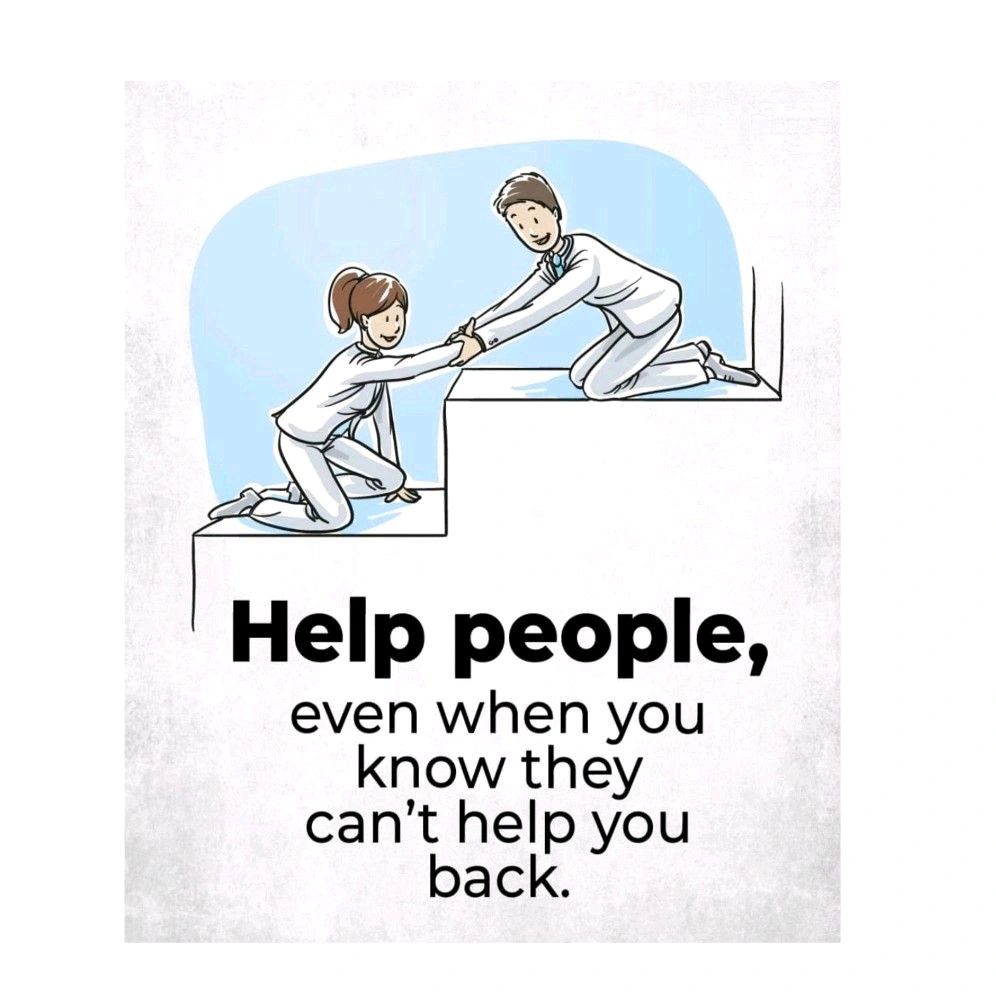
You don't need a psychology degree to do this. You just need to be present, fully, genuinely present, with the people God places in your path.
What the Faces Tell Us
Think back to this past Sunday. Picture the people who walked through your doors.
The young mom juggling a diaper bag, a toddler, and a coffee cup, looking like she hadn't slept in three days
The older gentleman who comes every week but seemed quieter than usual
The teenager dragged along by parents, arms crossed, headphones still in one ear
The couple holding hands a little too tightly, like they were holding each other together
The first-timer who stood outside for a full minute before finally walking in
Each of these faces carries a story. Each one represents a soul that God loves deeply. And each one encountered you first.
That's a sacred responsibility.
Reading the Room (and the Person)
Emotional awareness isn't about making assumptions or prying into people's business. It's about creating space for people to feel seen and safe.
Here are some practical ways to sharpen this skill:
1. Make genuine eye contact. Not the quick glance-and-look-away kind. Real, warm, unhurried eye contact that says, "I see you. You matter."
2. Match energy appropriately. If someone bounces in with high energy, match it. If someone walks in quietly, don't overwhelm them. Read the room, or in this case, the person.
3. Listen with your whole body. Turn toward the person. Put your phone away. Uncross your arms. Your body language speaks louder than your words.
4. Notice the hesitation. First-time visitors often hover near the entrance. They're not sure where to go, where to sit, or if they'll fit in. A warm approach can make all the difference.
5. Remember names and details. This takes effort, but it's incredibly powerful. "Hey Sarah, how's that new job going?" tells someone they're not just another face in the crowd.
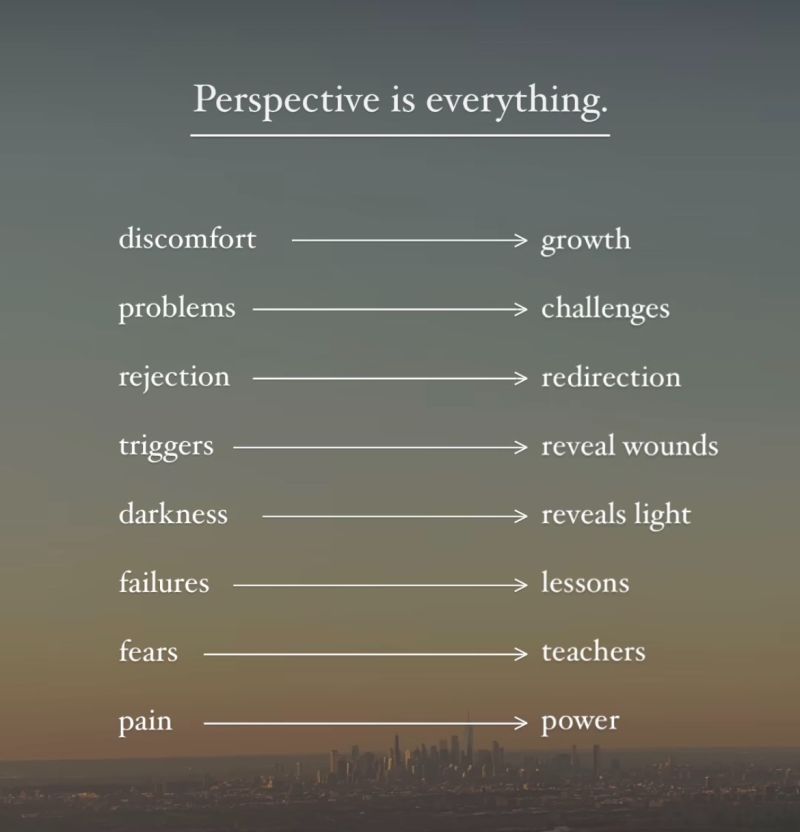
When Someone's Struggling
Sometimes you'll notice something deeper. A regular member who suddenly stops making eye contact. A visitor whose eyes are red from crying. Someone who looks lost, even though they've been coming for years.
What do you do?
First, don't panic. You're not expected to fix anyone. You're not their counselor or pastor. But you can be a bridge.
Acknowledge without interrogating. A simple "Hey, it's really good to see you today" can mean everything to someone who's struggling.
Offer connection. "Is there anything I can do for you?" opens a door without forcing it.
Follow up when appropriate. If someone shares something heavy, make a note to check in with them next week. Or let a pastor know so they can follow up.
The goal isn't to solve problems at the door. The goal is to make sure no one feels invisible.
The Power of Being Remembered
Here's a truth that will change how you serve: people forget what you say, but they never forget how you made them feel.
That nervous first-timer? She may not remember what the sermon was about. But she'll remember that someone at the door smiled at her, asked her name, and walked her to a seat.
The grieving widower? He may not recall the worship setlist. But he'll remember that you noticed he seemed heavy and simply said, "I'm glad you're here."
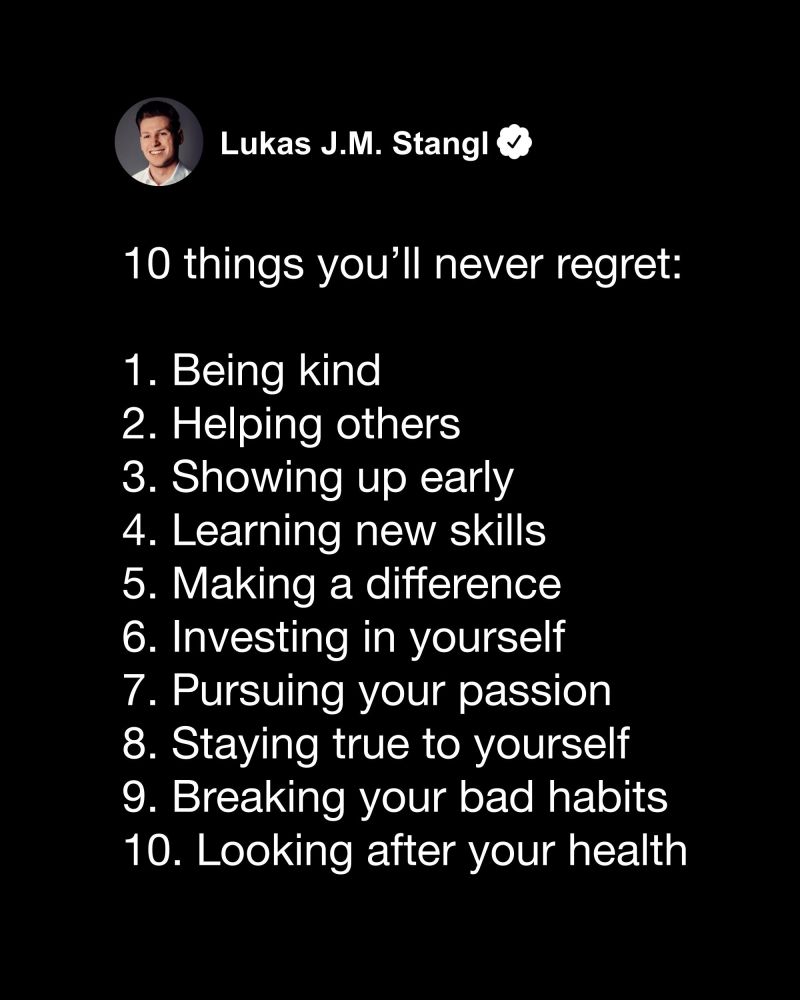
This is the ministry of the ordinary. It doesn't require a stage or a microphone. It happens in the in-between moments: at the threshold, in the lobby, beside the coffee station.
Training Your Heart
Emotional awareness isn't just a skill. It's a posture of the heart.
It requires you to slow down in a world that rewards speed. It asks you to pay attention when distractions are everywhere. It invites you to see people the way Jesus saw them: with compassion, without judgment, and with a deep awareness of their worth.
Scripture tells us that Jesus often "saw" people in ways others missed. He saw the faith of the paralytic's friends. He saw the desperation of the woman who touched His cloak. He saw Zacchaeus up in that tree, trying to catch a glimpse of something bigger than himself.
You get to do that too. Every Sunday.
A Challenge for This Week
Before next Sunday, take a few minutes to pray over your role. Ask God to sharpen your vision: not just your physical sight, but your spiritual sight. Ask Him to help you see the people who walk through those doors the way He sees them.
And when Sunday comes, slow down. Be present. Notice the faces.
You might just be the reason someone decides to come back.
If you're looking for more training, encouragement, or resources to grow in your volunteer role: or your faith journey in general: I'd love to connect with you. Head over to www.laynemcdonald.com for coaching, books, video courses, and more tools to help you serve with heart and purpose.
You're doing important work. Never forget that.
( Dr. Layne McDonald)
Comments