
The Apocrypha: Part 1 – What Is the Apocrypha? Unpacking the Mysteries
- Dr. Layne McDonald
- Dec 30, 2025
- 5 min read

Have you ever been in a conversation about the Bible and someone mentioned books you'd never heard of? Maybe they talked about the Book of Wisdom, or Tobit, or mentioned that Catholic Bibles have more books than Protestant ones? Welcome to the world of the Apocrypha – one of Christianity's most misunderstood topics.
If you've ever wondered why your Catholic friend's Bible seems thicker than yours, or why some ancient Christian writings aren't in any Bible at all, you're asking exactly the right questions. Over the next five weeks, we're going to unpack this mystery together in a way that's honest, practical, and respectful of all Christian traditions.
What Does "Apocrypha" Actually Mean?
The word "apocrypha" comes from the Greek word apokryptein, which means "to hide away" or "hidden." But here's what's fascinating – originally, this didn't mean "fake" or "rejected." Early Christians used this term for writings with secret or special teachings that were meant for a smaller circle of mature believers.
Think of it like this: if the regular Bible was the main course that everyone could enjoy, the apocryphal writings were like the advanced dessert recipes that only experienced bakers attempted. Not because they were bad, but because they required more background knowledge to understand properly.
Over time, though, the meaning shifted. Today, when most Protestants hear "apocrypha," they think of books that didn't make it into the biblical canon. But as we'll see, it's way more complicated than that.
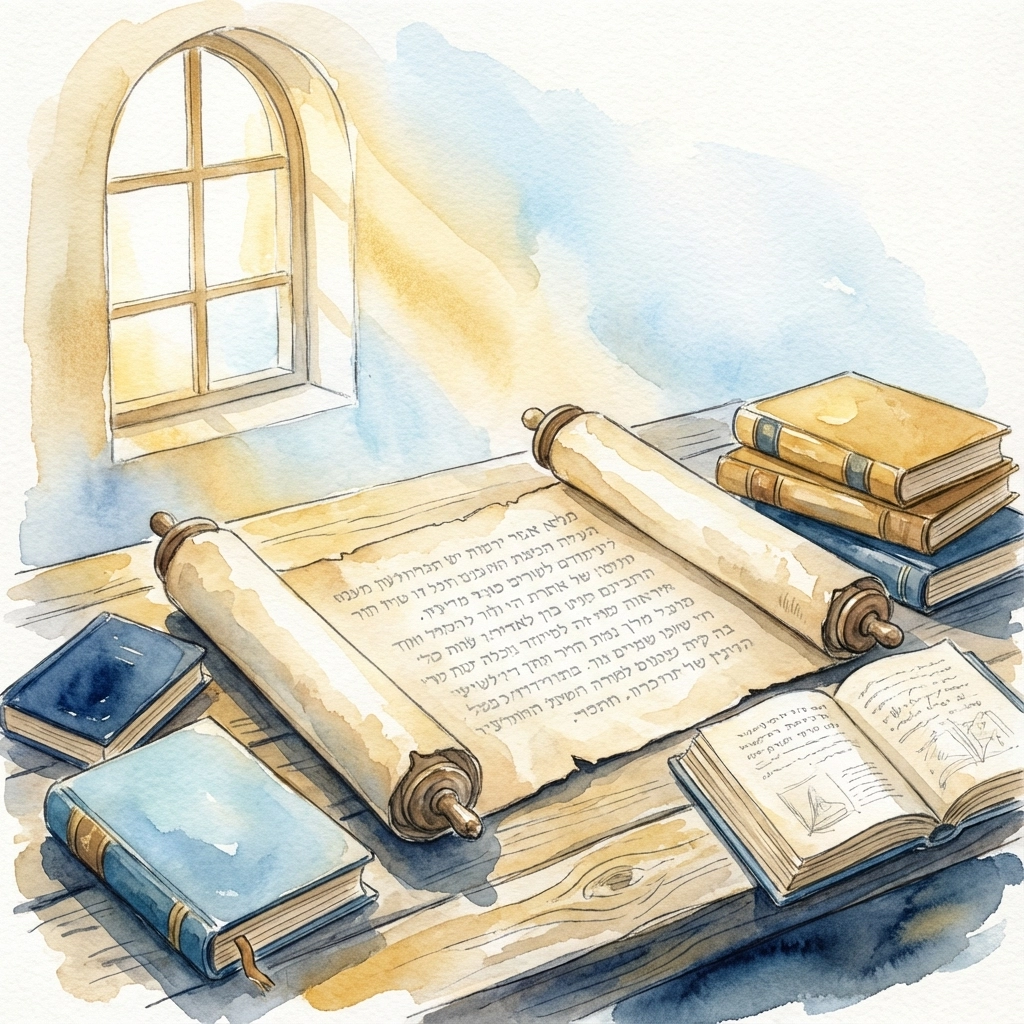
Two Very Different Categories
Here's where it gets interesting – there are actually two completely different types of apocryphal books, and mixing them up causes a lot of confusion:
Old Testament Apocrypha: These are Jewish books written mostly in Hebrew before Jesus was born. They include books like Wisdom of Solomon, Ecclesiasticus (also called Sirach), Tobit, Judith, and 1 and 2 Maccabees. Here's the kicker – these books are in Catholic and Orthodox Bibles. They're called "deuterocanonical," which means "second canon."
New Testament Apocrypha: This is a huge collection of much later writings that claim to be written by or about New Testament figures. Think the Gospel of Thomas, the Gospel of Mary, or the Acts of Paul. These are what most people picture when they hear "apocrypha" – the mysterious, sometimes weird books that nobody accepts as Scripture.
The confusion happens when people lump these together. The Catholic-Protestant debate isn't about the Gospel of Thomas or the Gospel of Mary. Nobody mainstream accepts those. The real discussion is about those Old Testament books that Catholics have and Protestants don't.
Why the Split Between Catholic and Protestant Bibles?
This is where history gets really interesting, and where we need to be honest about both spiritual and political factors.
The short version: Catholics and Orthodox Christians have always included these deuterocanonical books. They were in the Septuagint (the Greek translation of the Hebrew Bible that the New Testament authors often quoted from). Early church fathers like Augustine supported them.
But during the Reformation, Protestant reformers like Martin Luther questioned their authority. Why? Several reasons:
Spiritual concerns: These books weren't in the Hebrew Bible that Jesus and the apostles would have used. Some contained teachings that seemed to conflict with core Protestant doctrines (like prayers for the dead in 2 Maccabees).
Political reality: Let's be honest here – some Protestant leaders were also reacting against Catholic teachings that used these books as support. When you're breaking away from Rome, you naturally question sources of authority that Rome uses.
Historical arguments: Protestant scholars argued that the Jewish community had settled on a canon that didn't include these books, so Christians should follow that precedent.

But here's what's crucial to understand: Catholics didn't just randomly add books to mess with Protestants. These texts had been part of Christian Scripture for over a thousand years before the Reformation. The Council of Trent (1546) officially declared them canonical, but they were responding to Protestant challenges, not inventing new doctrine.
The Real Apocrypha: Books Nobody Accepts
Now, when we talk about the actual apocrypha – those New Testament writings like the Gospel of Judas or the Infancy Gospel of Thomas – we're in completely different territory. These books were written much later (often 2nd-4th centuries), frequently contain teachings that contradict accepted Christian doctrine, and weren't accepted by any major Christian community.
These are the books that feed conspiracy theories about "hidden gospels" and "secret Christian teachings." While they're historically fascinating and help us understand how different groups interpreted Christianity in the early centuries, they're not considered inspired Scripture by any mainstream Christian tradition.
The reasons for rejection are pretty clear:
Late dating (written long after the apostolic period)
Questionable authorship (often falsely claiming apostolic authority)
Content that conflicts with established Christian teaching
Lack of acceptance by the early church communities
What This Means for Us Today
So where does this leave us as modern Christians trying to study God's Word faithfully?
First, we can acknowledge that sincere, Bible-believing Christians have disagreed about the deuterocanonical books for centuries. Catholics aren't trying to sneak in false doctrine, and Protestants aren't trying to hide God's truth. Both traditions have solid historical and theological reasons for their positions.
Second, we can appreciate that even if we don't consider the deuterocanonical books Scripture, they're still valuable for understanding Jewish history, thought, and culture in the centuries leading up to Jesus. Books like 1 and 2 Maccabees give us crucial historical background for understanding the world Jesus was born into.
Third, we can be absolutely clear about the difference between these historical disagreements and the wild claims about "lost gospels" that supposedly reveal hidden Christian truths. The Da Vinci Code is fiction, not history.
Setting the Stage for Our Journey
Over the next four weeks, we're going to dive deeper into each of these areas:
Part 2: The deuterocanonical books – what they say and why Catholics accept them
Part 3: Why Protestants made different choices (beyond just politics)
Part 4: The real New Testament apocrypha and why they were rejected
Part 5: How to navigate these differences with Christian unity and wisdom
This isn't about winning arguments or proving who's right. It's about understanding our rich Christian heritage and learning to discuss these differences with both truth and love.
Questions for Group Discussion
Remember, asking honest questions about Scripture and church history isn't a sign of weak faith – it's a sign of mature faith that wants to understand God's truth more deeply.
Ready to continue this journey? Next week, we'll dive into those deuterocanonical books and discover why they've been such an important part of Christian tradition for so many centuries. You might be surprised by what we find.
Dr. Layne McDonald is a pastor, author, and Christian leadership coach dedicated to helping believers grow in their faith and understanding. His books on Christian leadership and spiritual growth are available at affordable prices to help transform lives through biblical truth. Connect with Dr. McDonald's ministry resources at famemphis.org for more faith-building content and small group materials.
Comments