
The Apocrypha: Part 2 – The Books Between: Catholic, Orthodox, and Protestant Differences
- Dr. Layne McDonald
- Dec 30, 2025
- 4 min read

Welcome back to our exploration of biblical texts! In Part 1, we introduced the concept of the Apocrypha. Now we're diving into something that often confuses Christians: why do Catholic and Protestant Bibles have different numbers of books? And what's the deal with all these "missing" or "extra" books?
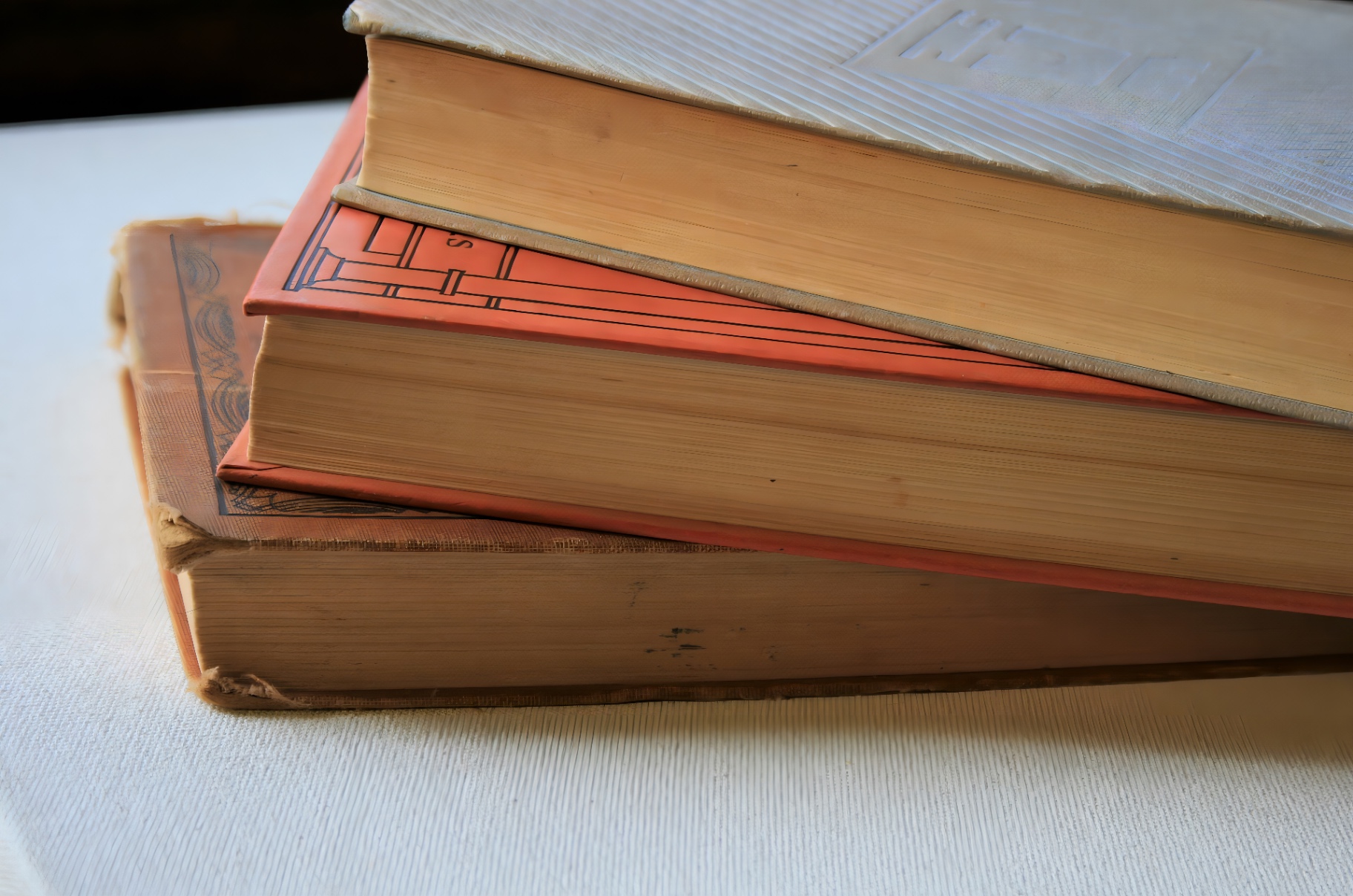
Group Starter Question: Has anyone ever noticed that Catholic Bibles seem thicker than Protestant ones? What did you think when you first discovered this?
The Numbers Game: Who Has What?
Here's where it gets interesting. Your Protestant Bible contains 66 books (39 Old Testament, 27 New Testament). Your Catholic friends have 73 books (46 Old Testament, 27 New Testament). And if you know any Orthodox Christians, they have even more Old Testament books than Catholics!
So what's in those extra seven books in the Catholic Bible? They include:
Tobit (a story of faith and perseverance)
Judith (a brave woman saves her people)
The Wisdom of Solomon (practical wisdom literature)
Sirach (also called Ecclesiasticus - more wisdom)
Baruch (includes the Letter of Jeremiah)
1 and 2 Maccabees (Jewish history and heroism)
Catholics also include additions to Esther and Daniel that Protestants don't have, like the Prayer of Azariah and the stories of Susanna and Bel and the Dragon.
Group Discussion: If you could read just one of these "extra" books, which would you choose and why?
The Great Naming Debate
Here's something fascinating: these books have different names depending on who you ask. Protestants call them the "Apocrypha" (meaning "hidden" or "secret" in Greek). Catholics call them "deuterocanonical" (meaning "second canon" or "added later"). Same books, different labels!
This isn't just semantics: it reveals how each tradition views these writings. The Protestant term suggests these books are somehow mysterious or questionable. The Catholic term acknowledges they were recognized as canonical later but are still fully scriptural.
The Historical Split: What Really Happened?
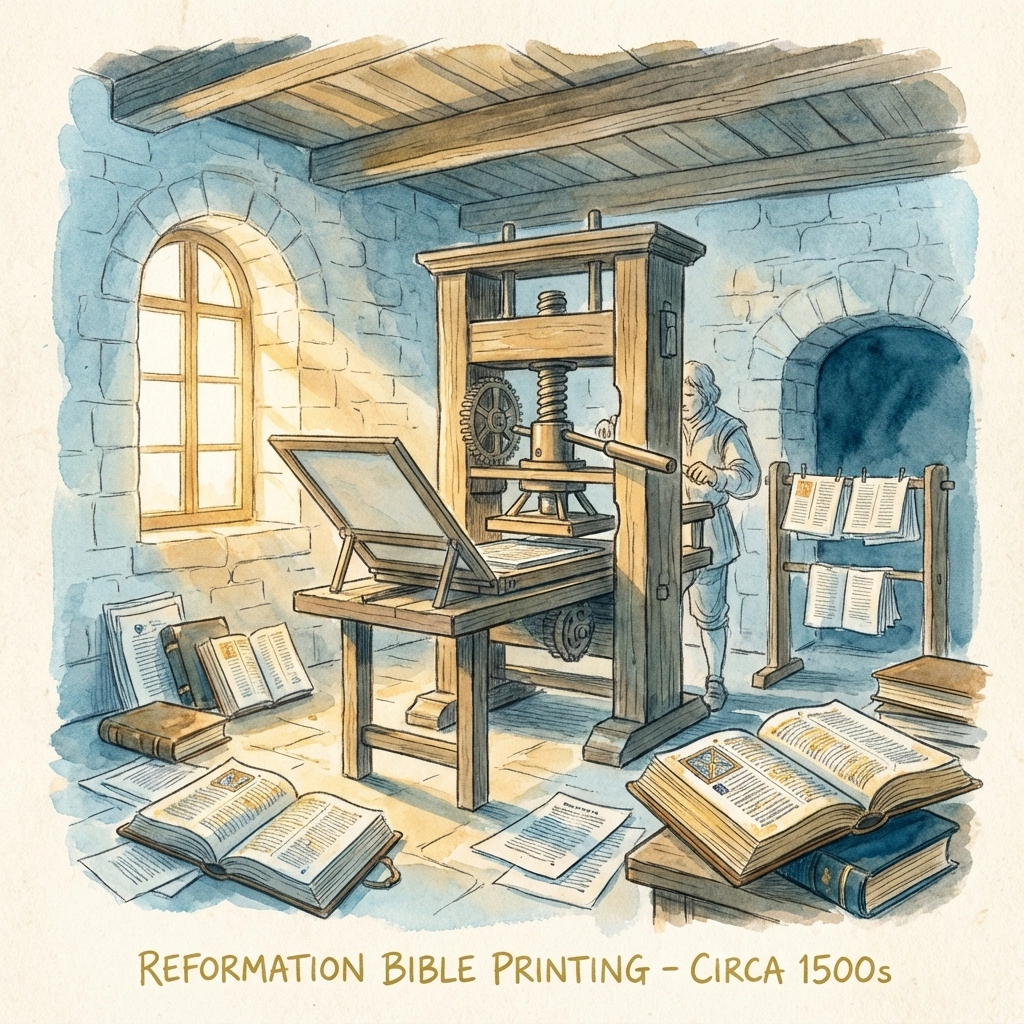
The big divide happened during the Protestant Reformation in the 1500s. But here's what many people don't know: the reasons weren't entirely theological: politics and practical considerations played huge roles.
The Protestant Decision
When Martin Luther and other reformers organized the Bible, they made a crucial choice: follow the Hebrew Jewish canon instead of the Greek Septuagint that Christians had been using for over a thousand years. The Hebrew canon didn't include those seven books.
But here's the kicker: early Protestant Bibles, including the original King James Version, did include these books: they just put them in a separate section called "Apocrypha." Bible publishers gradually dropped this section by the mid-1800s to save printing costs and because they viewed it as less important.
The Catholic Response
The Catholic Church had been using these books for centuries, but they didn't officially declare them canonical until the Council of Trent in 1546: partly as a response to Protestant objections! Before then, there was ongoing debate even within Catholic circles about these books' status.
Group Reflection: Why do you think practical concerns like printing costs influenced which books stayed in our Bibles? What does this teach us about how we got our modern scriptures?
Political or Theological? The Real Reasons
The Protestant removal of deuterocanonical books wasn't purely about politics, but political factors definitely played a role:
Theological Concerns:
Some teachings in these books (like praying for the dead in 2 Maccabees) didn't align with Protestant theology
Questions about Hebrew vs. Greek manuscript authority
Desire to return to what they saw as the "original" Jewish scriptures
Political/Practical Factors:
Breaking from Catholic tradition was part of the broader Reformation
Printing costs made smaller Bibles more economical
Emphasizing differences helped establish Protestant identity
Not All "Missing" Books Are the Same
Here's where things get really important: the deuterocanonical books in Catholic Bibles are completely different from what scholars call "apocryphal writings" like the Gospel of Mary, the Gospel of Judas, or the Gospel of Thomas.
Those later writings (often called "Gnostic gospels") were written much later and were never accepted by any major Christian tradition as canonical. They're fascinating historically, but they're not the same as the deuterocanonical books that Catholics and Orthodox Christians accept.
Group Discussion: Why do you think it's important to distinguish between deuterocanonical books and later apocryphal writings like the Gospel of Judas?
What's the Value Today?
So should Protestant Christians read the deuterocanonical books? Many Protestant scholars say absolutely! Here's why:
Historical Value: These books provide crucial historical context for the period between the Old and New Testaments: the 400 "silent years."
Literary Richness: The wisdom literature in Sirach and Wisdom of Solomon offers practical guidance that complements Proverbs and Ecclesiastes.
Cultural Understanding: These books help us understand Jewish thought and culture in Jesus' time.
Spiritual Insight: Stories like Tobit and Judith offer powerful examples of faith under pressure.
Group Challenge: This week, try reading a chapter from one of the deuterocanonical books. (You can find them online or in Catholic Bibles.) What insights did you gain?
Practical Group Application
As we wrap up today's study, consider these questions for personal reflection or group discussion:
How does understanding these historical differences affect your view of biblical authority?
What can we learn from traditions different from our own?
How do we hold firmly to our beliefs while remaining open to learning?
The differences between Catholic and Protestant Bibles remind us that faithful people can disagree on important questions while still sharing core beliefs about Jesus, salvation, and Christian living.
Closing Thought: Whether your Bible has 66 books or 73, the essential message remains the same: God loves us, sent Jesus to redeem us, and calls us to live transformed lives. These historical differences should make us more curious learners, not more divisive Christians.
Next Week Preview: In Part 3, we'll explore specific deuterocanonical books and discover the fascinating stories and wisdom they contain. Come ready to be surprised by what you discover!
Ready to dive deeper into biblical studies and Christian leadership? Dr. Layne McDonald offers coaching and resources to help you grow in your faith journey. Whether you're leading a small group or seeking personal spiritual growth, discover how biblical wisdom can transform your life and leadership at Layne McDonald Ministries.
Comments