
The Architecture of Belonging: Building a Culture Where People Are Known
- Dr. Layne McDonald
- Feb 28
- 5 min read

Picture this: someone walks through your doors for the first time. Their heart is pounding. They're scanning the room for a friendly face, anyone who might notice them. And here's the question that will define their entire experience: Will they be processed, or will they be seen?
That single moment, those first ninety seconds, tells a person everything they need to know about your culture. Not what's written on your walls. Not what's printed in your bulletin. The feeling they get when they step inside.
And friend, feelings don't lie.
I've spent decades working with churches, ministries, and organizations wrestling with this exact challenge. They want growth. They want impact. They want to make a difference for the Kingdom. But somewhere along the way, they've built systems that manage people instead of knowing them.
Today, we're tearing that down and rebuilding something beautiful.
The Difference Between Managing and Knowing
Here's a truth that might sting a little: You can have the best systems in the world and still have a culture where nobody feels at home.
Management asks: "Did we follow up within 48 hours?" Knowing asks: "Did we learn their story?"
Management tracks attendance. Knowing remembers their kid's name.
Management sends automated emails. Knowing sends a text that says, "Hey, I was praying for you this morning."

Don't misunderstand me: systems matter. Organization matters. Follow-through matters. But systems are scaffolding, not the building itself. The building is relationship. The building is trust. The building is a person looking another person in the eye and saying, "You matter here."
Jesus didn't manage the twelve disciples. He knew them. He knew Peter's impulsiveness and used it. He knew Thomas's doubts and addressed them. He knew John's tender heart and loved him through it.
That's the architecture we're building.
Why Belonging Is an Architecture (Not an Accident)
Researchers who study community design have discovered something powerful: belonging doesn't happen by accident. It requires intentional choices about how spaces are built and how people interact within them.
Think about the Danish concept of hygge: that feeling of warmth, comfort, and togetherness. It doesn't just happen. Someone lights the candles. Someone arranges the chairs in a circle instead of rows. Someone creates an environment where lingering feels natural.
The same principle applies to your ministry, your team, your family, your small group.
Belonging is designed. Connection is cultivated. Culture is built.
And here's the exciting part: you get to be the architect.

Five Pillars of a "Known" Culture
Ready to get practical? Good. Because vision without action is just a nice idea. Let's build something real.
1. Create Spaces for Lingering
When everyone rushes in and rushes out, connection dies. Belonging happens in the margins: the five minutes before the meeting starts, the conversation in the parking lot, the moment after everyone else has left.
Action step: Design your environments (physical and relational) with "tiny nooks and crannies" where people naturally pause. Maybe it's a coffee station. Maybe it's chairs arranged in clusters instead of rows. Maybe it's simply asking your team to arrive ten minutes early and stay ten minutes late.
2. Learn Names Like Your Ministry Depends On It (Because It Does)
Nothing says "you're invisible" faster than being greeted with a blank stare week after week. And nothing says "you belong here" faster than hearing your own name.
Action step: Create a culture where learning names is a non-negotiable. Use name tags strategically. Repeat names back when you meet someone new. Write them down if you have to. This isn't about memory tricks: it's about honor.
3. Ask Second Questions
First questions are easy: "How are you?" "How was your week?"
Second questions are where belonging begins: "You mentioned your mom was in the hospital last week: how's she doing?" "Did your daughter's soccer game go well?"
Action step: Train yourself and your team to remember one detail about each person and follow up on it. This single habit will transform your culture faster than any program ever could.
4. Normalize the Messy Middle
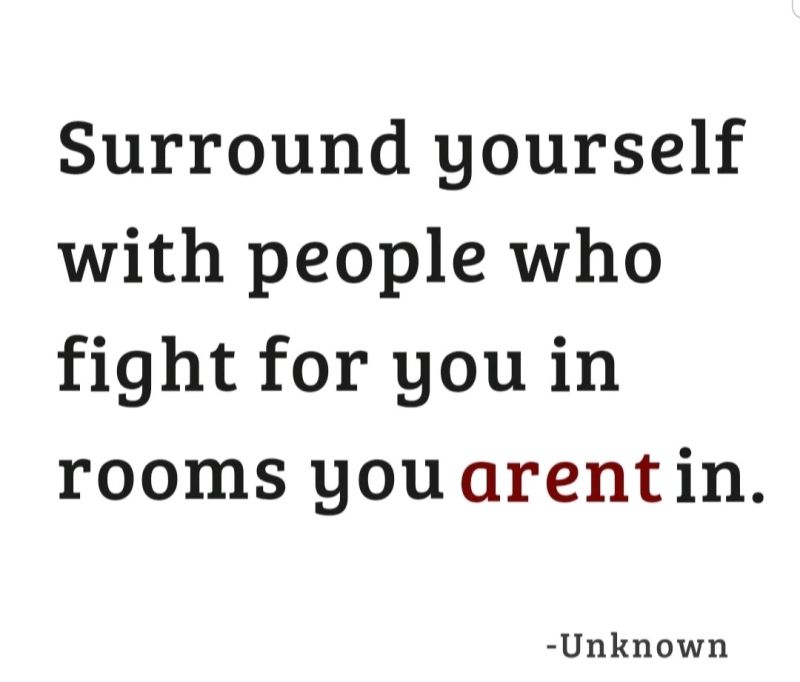
People don't just need to be known when they're polished and put-together. They need to be known in their mess. In their struggle. In their three-steps-forward-two-steps-back seasons.
A culture of belonging says: "You don't have to have it all figured out to be welcome here."
Action step: Share your own messy middle. Leaders who pretend they have it all together create cultures where everyone else pretends too. Vulnerability invites vulnerability.
5. Move From "Come to Us" to "We'll Come to You"
The most powerful belonging happens outside the building. It happens when you show up at the hospital. When you bring a meal. When you text on a random Tuesday just to say you care.
Action step: Build rhythms of outreach into your weekly schedule. Not as a program: as a lifestyle. Belonging isn't an event; it's a posture.
The Jesus Model: Proximity + Time + Intentionality
When Jesus called His disciples, He didn't hand them a curriculum and schedule quarterly reviews. He said three words that changed everything: "Come, follow me."
He walked with them. Ate with them. Traveled with them. Rested with them.
He combined:
Proximity (being physically present)
Time (unhurried relationship-building)
Intentionality (deliberately investing in their growth)
That formula still works today.
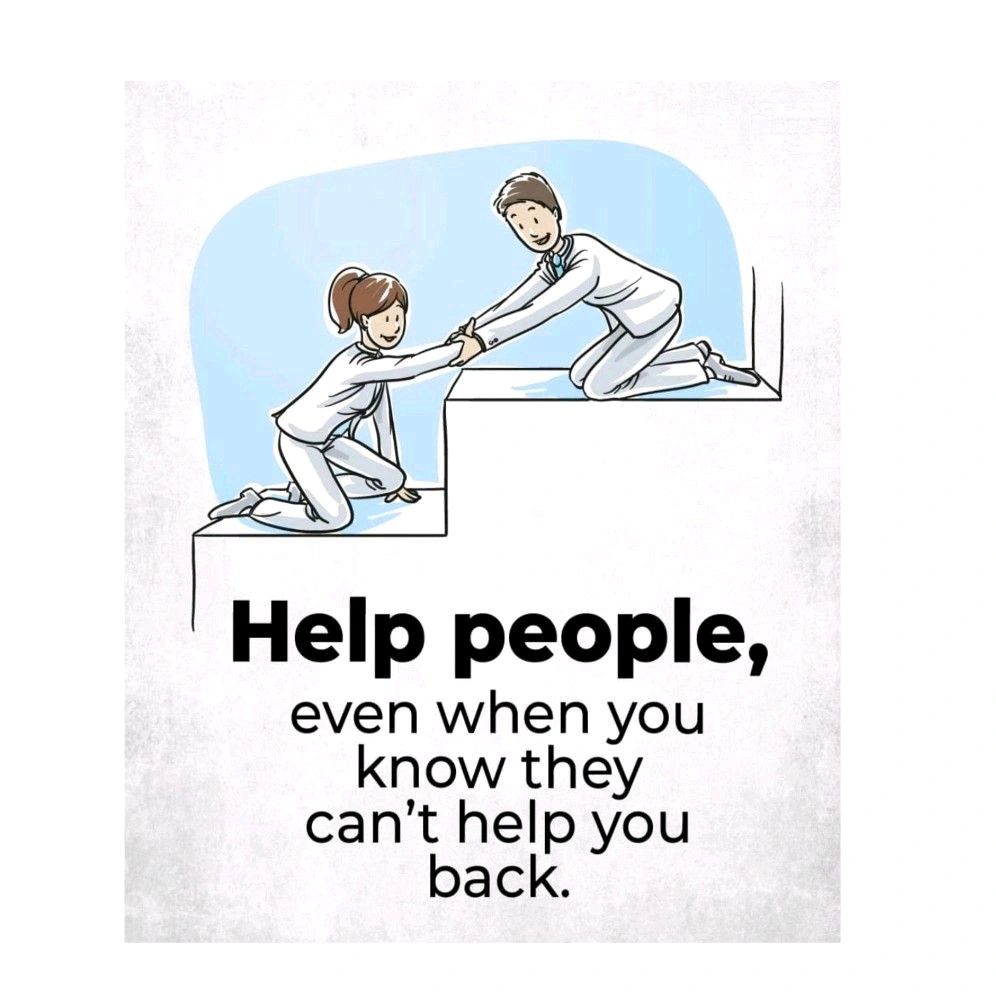
You can't microwave belonging. You can't hack connection. You can't shortcut trust.
But you can commit to showing up. You can commit to paying attention. You can commit to treating every single person like they carry the image of God: because they do.
What's at Stake
Here's why this matters so much: people are starving for belonging.
We live in the most connected era in human history, and loneliness is at epidemic levels. People scroll through hundreds of faces every day and still feel invisible. They have a thousand online friends and no one who knows their real story.
The church: your ministry: your team: has the opportunity to be the antidote.
Not through better marketing. Not through slicker programs. Through the ancient, radical, countercultural practice of actually knowing people.
When we get this right, something miraculous happens. Walls come down. Suspicion melts. Hearts open. And suddenly, the gospel isn't just something we talk about: it's something people experience.
Your Move
So here's my challenge to you today:
Pick one person.
Just one.
Someone on the edges. Someone who shows up but doesn't quite fit in yet. Someone who might be wondering if anyone notices they're there.
And this week: this week: learn their name. Learn one thing about their story. Follow up with them.
That's where the architecture of belonging starts. One person. One conversation. One intentional act of seeing someone who thought they were invisible.
You were made for this. Your ministry was made for this. Your church, your team, your family: it was all designed to be a place where people are known, not managed.
Now go build it.
Ready to go deeper? Dr. Layne McDonald offers coaching, workshops, and resources designed to help leaders like you build cultures of authentic connection. Visit www.laynemcdonald.com to learn more and take your next step.
Comments