
The Architecture of Belonging: Shifting Your Focus from Attendance to Connection
- Dr. Layne McDonald
- Feb 6
- 4 min read

Updated: May 5
You've seen the numbers. Sunday morning, 200 people fill the seats. Wednesday night, maybe 60. Small groups? A faithful 30. And somewhere in your heart, you wonder: Are we building a church or just managing a crowd?
Here's what I've learned after decades of pastoral ministry: presence is not the same as belonging. A person can sit in the same pew for ten years and still feel like a stranger. They can attend every service, volunteer on three teams, and never once feel truly known.
That's not community. That's co-location.
And if we're honest, too many of our churches have become experts at counting heads while missing hearts.
The Attendance Trap
There's nothing wrong with tracking attendance. Numbers tell a story. But when attendance becomes the goal instead of a byproduct, we've built the house upside down.
Think about it: What are we actually measuring when we count seats filled?
Physical presence
Schedule availability
Habit and routine
What we're not measuring:
Emotional safety
Relational depth
Spiritual transformation
Whether someone would call this place home

Research on belonging in educational environments reveals something powerful: when people feel genuinely included and valued, they become more engaged, more motivated, and more resilient. But when belonging is absent? Alienation sets in.
Disengagement follows. And eventually, they disappear, not with a dramatic exit, but with a quiet fade.
The same principle applies to the Body of Christ. Inclusion is the minimum. Belonging is the goal.
Inclusion says, "You're welcome here."
Belonging says, "You're needed here. You fit. You matter. We'd notice if you were gone."
What Belonging Actually Feels Like
Let me paint you a picture.
Belonging is when a first-time guest walks through the doors and someone, not a greeter on assignment, but a regular member, makes eye contact, smiles, and says, "Hey, I don't think we've met. I'm so glad you're here."
Belonging is when a young mom going through a divorce doesn't have to explain herself. She just shows up, and the women around her create space for her grief without judgment.
Belonging is when a teenager with ADHD finds a youth leader who doesn't just tolerate his energy but actually celebrates it.
Belonging is when an older gentleman who lost his wife last year still gets invited to lunch: not out of pity, but because people genuinely want his company.
Belonging creates psychological safety. It's the environment where people can take spiritual risks, ask hard questions, confess struggles, and grow: without fear of rejection.

And here's the secret: belonging doesn't happen by accident. It's architected. It's designed. It's built brick by brick through intentional leadership, culture, and systems.
The Four Pillars of Belonging
If you want to shift your ministry from attendance-focused to connection-centered, you need to build on four foundational pillars.
1. Identity Visibility
People need to see themselves reflected in your community. This goes beyond racial or cultural representation (though that matters deeply). It's about creating space where someone's story is honored.
Do your testimonies only feature cleaned-up, polished victories? Or do they include messy middles?
Do your small groups allow for vulnerability, or are they Bible studies with surface-level discussion?
Can someone with doubts, questions, or a complicated past find a place at the table?
When people see others "like them" thriving in your church, they start to believe they could thrive too.
2. Relational Pathways
Attendance happens in rows. Belonging happens in circles.
You need clear, accessible pathways for people to move from the crowd to the core:
Connection events that aren't just announcements but actual relationship-building experiences
Serving opportunities where people work alongside others (not just for them)
Mentorship structures that pair newer members with seasoned believers
Consistent follow-up that doesn't feel like sales but like genuine care
The goal is simple: no one should be able to attend your church for more than a few weeks without someone learning their name and their story.

3. Meaningful Contribution
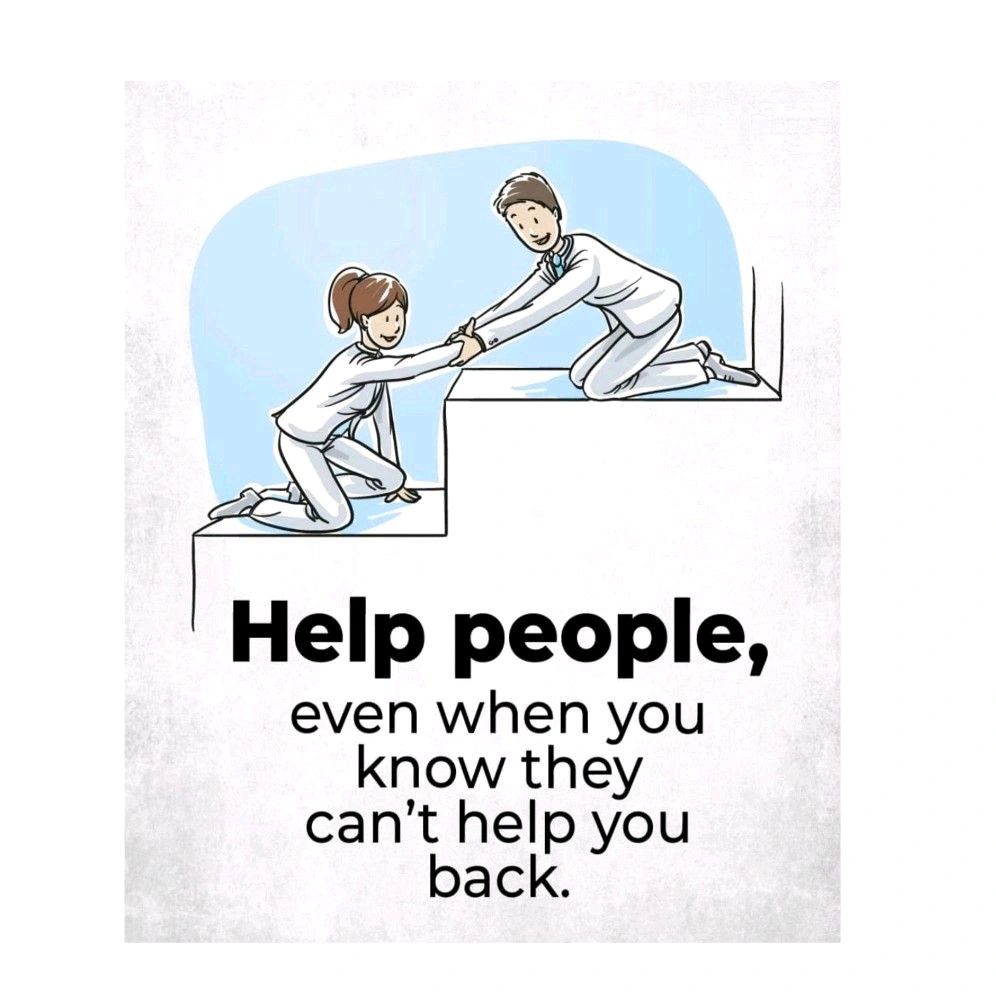
Here's a truth that will transform your volunteer strategy: people don't just want to help. They want to matter.
When someone serves at your church, do they feel like a cog in a machine or a vital part of the mission?
The difference is in how you frame it:
"We need someone to run the soundboard" → transactional
"You have a gift for technology, and we believe God wants to use that gift to create an atmosphere where people can encounter Him" → transformational
Contribution creates ownership. Ownership creates commitment. Commitment creates belonging.
4. Consistent Presence
Belonging isn't built in a moment: it's built over time. And that requires your consistent presence as a leader.
Do you show up to the same places week after week?
Do people know where to find you?
Are you accessible, or are you hidden behind layers of staff and scheduling?
Jesus didn't disciple the twelve through occasional keynote appearances. He walked with them. He ate with them. He let them see Him tired, frustrated, and fully human.
Your people need to see you the same way.
The Shift Starts With You
If you're reading this and feeling convicted, good. That's the Holy Spirit doing what He does best: exposing the gaps so we can grow.
But don't turn this into shame. Turn it into strategy.
Here's what I want you to do this week:
The Church We're Called to Build
The early church didn't grow because they had the best programs or the most impressive facilities. They grew because outsiders looked at them and said, "See how they love one another."
That's the testimony we're after.
Not "see how many they attract," but "see how deeply they connect."
Not "see how efficient their systems are," but "see how known their people feel."
The architecture of belonging isn't complicated. But it is costly. It requires time, attention, and a willingness to value depth over breadth.
And I believe with everything in me: this is the church Jesus is building.
If you're a pastor, ministry leader, or anyone passionate about building authentic Christian community, I'd love to walk alongside you. I've spent my life helping leaders create cultures where people don't just attend: they belong.
Comments