The Architecture of Trust: Designing Organizational Health from the Top Down
- Layne McDonald
- 2 hours ago
- 6 min read

When you look at a skyscraper, you see the glass, the steel, and the height. But any architect will tell you that the most important part of the building is the part you can’t see: the foundation. If the foundation is off by even an inch, the entire structure is at risk once the wind starts to blow.
Your organization is no different. We often spend our time polishing the exterior: the branding, the marketing, and the quarterly reports: while ignoring the structural integrity of our culture. If we want to build something that lasts, something that can withstand the storms of the modern marketplace, we have to become "Culture Architects."
Designing organizational health isn't something that happens by accident. It’s a top-down initiative that requires intentionality, servant leadership, and a commitment to trust as our primary metric for success.
The Role of the Culture Architect
In the business world, we are used to titles like CEO, Director, or Manager. But I want to challenge you to adopt a new mindset: the Culture Architect. An architect doesn't just "hope" the building stays up; they design it to stay up. They look at the blueprints and ensure every joint and beam is placed for maximum strength.
As a leader, you are the primary architect of the environment your team lives in every day. If your culture is toxic, it’s because the design allowed for it. If your culture is thriving, it’s because you built the framework for health.
According to research by McKinsey, companies that invest in health initiatives during transformations see a 35% higher total shareholder return. They also demonstrate nearly 60% greater resilience during crises. This isn't just "feel-good" advice; it’s a competitive advantage. When you design health from the top down, you create an environment where people feel safe enough to innovate, fail, and grow.
When the Blueprint Meets the Brokenhearted
To understand why this matters, we have to look beyond the balance sheet. A healthy culture is most visible not when things are going well, but when life hits the fan.
I remember a season where our organization was tested in the most painful way imaginable. Within a short period, we had families within our sphere of influence who experienced the unthinkable: the loss of a child. In moments like that, "business as usual" isn't just impossible; it’s offensive.
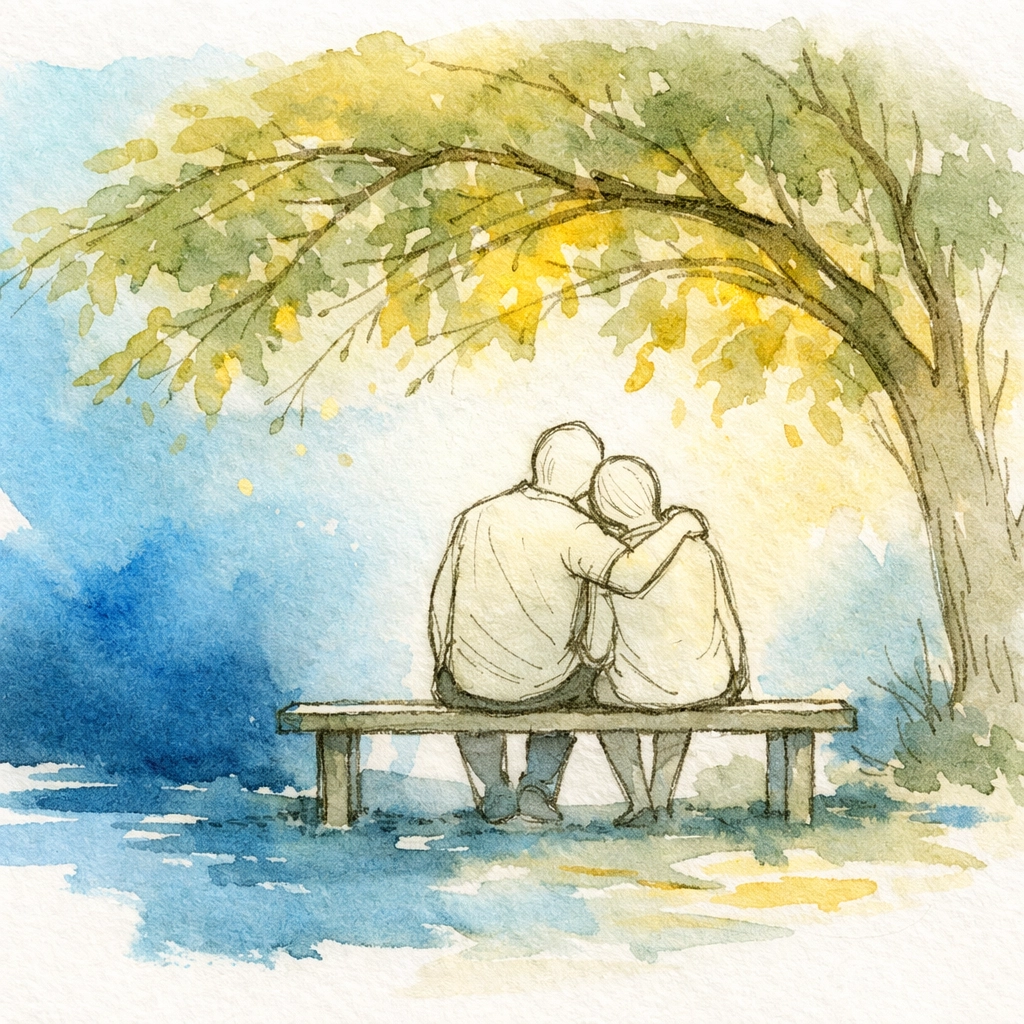
A culture built on rigid hierarchy and "output-only" metrics would have crumbled or, worse, ignored the pain to keep the machines running. But because we had spent years designing a culture of trust and servant leadership, the response was automatic. The "architecture" we had built: a framework of empathy, shared burden, and family-first values: knew exactly how to hold the weight of that grief.
We didn't have to hold a board meeting to decide if we should support these families. The culture already dictated the answer. We stepped in with meals, financial support, and, most importantly, our presence. We prioritized the human soul over the professional schedule.
This is the power of organizational health. When you design your culture from the top down with a heart for people, your organization becomes more than a workplace; it becomes a community. And a community will always out-produce and out-last a mere "staff."
Trust: The Metric That Matters Most
We measure KPIs, ROI, and conversion rates. But how often do we measure trust?
In a top-down structure, trust flows from the leader’s transparency and consistency. If the person at the top says one thing but does another, the foundation cracks. Designing organizational health means making trust a core metric.
When trust is high, communication is fast and inexpensive. When trust is low, everything takes longer and costs more because you have to double-check every email and verify every motive.
5 Pillars of the Trust-First Architect
If you want to redesign your organizational health today, start with these five pillars:
Clarity Over Confusion: Leaders must articulate clear goals and strategies. When people know exactly where the ship is headed, they stop worrying about the destination and start focusing on their oars.
Radical Transparency: Share the "why" behind the "what." When you push decisions down to the front lines and explain the reasoning, you empower your team to own the vision.
Servant Leadership: The pyramid is inverted. Your job as the leader is to support those who are supporting the mission. Ask yourself daily: "How can I make my team’s job easier today?"
Behavioral Alignment: You cannot demand a culture you do not demonstrate. If you want a culture of rest, you must rest. If you want a culture of integrity, you must be beyond reproach in your dealings.
The "Safety" Net: Create an environment where it is safe to admit a mistake. A culture that punishes honest errors is a culture that breeds liars. A culture that learns from errors is a culture that breeds leaders.

Designing for the Marketplace with Faith
For the marketplace professional, integrating faith into the blueprint isn't about being "preachy"; it’s about being "principled." Think of it as a blueprint with three specific icons at the center: a cross, a heart, and a handshake.
The Cross: This signifies our commitment to something higher than ourselves. It’s the reminder that our work is a form of worship and that we are called to excellence because of Who we represent.
The Heart: This represents the servant leadership we talked about. It’s the empathy that looks at a grieving family and says, "The work can wait; you cannot."
The Handshake: This is the symbol of integrated trust. It’s our word being our bond. It’s the integrity that makes us the most reliable partners in our industry.
When you integrate these elements into your leadership architecture, you aren't just building a business; you’re building a legacy. You are creating a space where people can grow into the versions of themselves that God intended.
Upgrading Your Leadership
The truth is, many leaders feel like they are "winging it" when it comes to culture. They focus on the product and hope the people figure themselves out. But if you want to see true growth: the kind that shows up in your bottom line and in the smiles of your employees: you have to get intentional.

A healthy staff culture is the absolute key to long-term growth. You can see more about why this is the case by exploring how healthy staff culture impacts growth. While that article touches on different organizational contexts, the principles of human psychology and organizational health remain the same: people thrive where they are trusted.
If you find yourself struggling to bridge the gap between your vision and your current reality, it might be time for a structural audit. Are the "beams" of your organization strong enough to hold the weight of your goals? Is the "foundation" of trust deep enough to handle a crisis?
Next Steps for the Culture Architect
Designing organizational health isn't a one-time event; it’s a lifelong practice. It requires you to be a student of your people and a steward of your influence.
I’ve spent years helping leaders in the marketplace navigate these very challenges. Whether you’re leading a small team or a large corporation, the need for a solid architecture of trust is universal. You don't have to build it alone.
If you’re ready to upgrade your leadership and design a culture that produces both high performance and deep health, I invite you to join me. We offer leadership coaching and online programs specifically designed for marketplace professionals who want to lead with integrity and faith.
Let’s stop just "managing" and start "architecting." The world needs leaders who build structures that last: not just for the sake of the building, but for the sake of the people inside.
Your Action Step Today: Identify one area in your organization where trust is leaking. Is it a lack of clarity? Is it a communication gap? Once you identify it, take one intentional step to patch that hole this week. Your team: and your future: will thank you for it.
For more resources on personal and professional growth, check out our About page to see how we can partner with you in your journey toward leadership excellence.
Did this post resonate with you? Share it with a fellow leader who is looking to build a healthier culture, and don't forget to subscribe for more insights on faith-driven leadership in the marketplace.

$50
Product Title
Product Details goes here with the simple product description and more information can be seen by clicking the see more button. Product Details goes here with the simple product description and more information can be seen by clicking the see more button

$50
Product Title
Product Details goes here with the simple product description and more information can be seen by clicking the see more button. Product Details goes here with the simple product description and more information can be seen by clicking the see more button.
$50
Product Title
Product Details goes here with the simple product description and more information can be seen by clicking the see more button. Product Details goes here with the simple product description and more information can be seen by clicking the see more button.
Comments