
The Art of the Gentle Correction: Building a Healthy Leadership Team
- Dr. Layne McDonald
- Jan 29
- 4 min read

Every leader worth their salt has faced that moment. You know the one. A team member missed the mark, maybe they dropped the ball on a project, showed up with the wrong attitude, or made a decision that left you scratching your head. And now you're standing at a crossroads.
Do you come in hot? Or do you take a breath and choose a different path?
Here's what I've learned after years of pastoring, coaching, and working alongside Christian leadership teams in Memphis and beyond: the way you correct someone says more about your leadership than almost anything else you do.
Gentle correction isn't weakness. It's wisdom wrapped in love.
Why Gentle Correction Matters in Christian Leadership
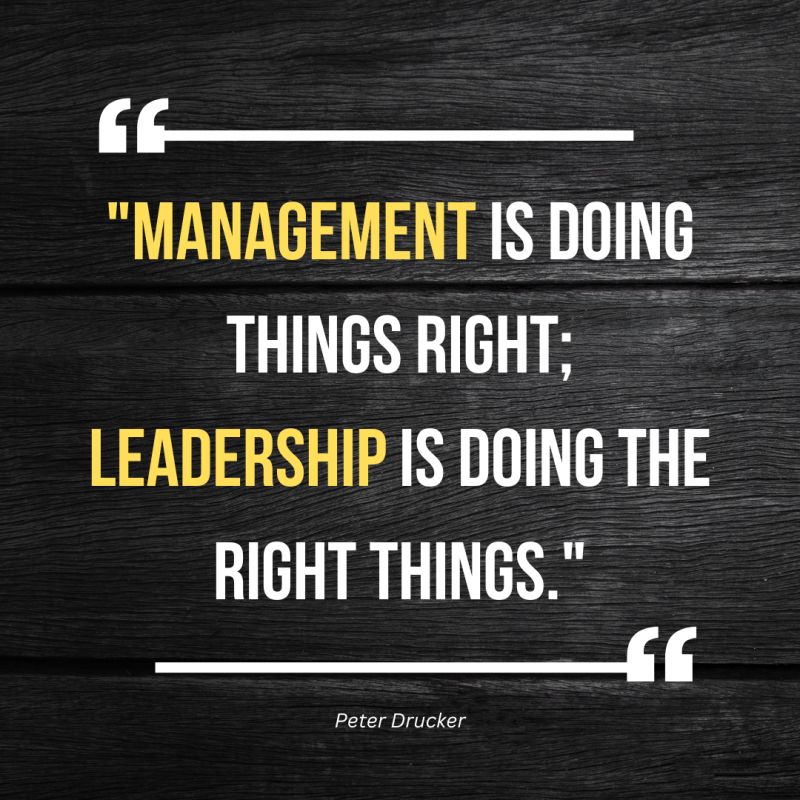
Think about the leaders who shaped you. I'm willing to bet the ones who left the deepest mark weren't the ones who screamed the loudest or wielded their authority like a sledgehammer. They were the ones who pulled you aside, looked you in the eye, and spoke truth with kindness.
That's the model Jesus gave us. He corrected Peter after the denial, not with condemnation, but with restoration. Three times He asked, "Do you love me?" Three times He gave Peter purpose again.
Research backs this up too. Leaders who emphasize compassion and gentle correction are actually perceived as stronger and more effective. Their teams show higher engagement, better collaboration, and, here's the kicker, lower turnover. Fear might get temporary compliance, but trust builds lasting commitment.
When you're building healthy church teams in Memphis or anywhere else, this principle becomes your foundation.
The Three Tools of Gentle Leadership
Building a culture of healthy correction requires intentionality. You can't just wing it and hope people feel loved. You need practical tools in your leadership toolbox.
1. Courtesy
This one sounds simple, but don't skip past it. Courtesy means:
Active, attentive listening (put down your phone!)
Acknowledging the value and dignity of every person
Treating team members the way you'd want to be treated
When someone knows you genuinely respect them, correction lands differently. It's not an attack, it's an investment.
2. Candor
Here's where things get interesting. Gentle doesn't mean soft or vague. Candor is honest communication that respects someone's capacity to handle truth.
Don't sugarcoat problems into oblivion. Your team members are grown adults who can handle feedback. The key is how you deliver it. Speak clearly, but speak with love.
3. Challenge
This tool surprises people. Challenge means giving your team members opportunities that stretch them, assignments that signal your confidence in their capabilities.
When you challenge someone after correcting them, you're communicating: "I believe in you. This setback doesn't define you. Let's grow together."

Practical Steps for Correcting Culture Gently
Alright, let's get tactical. How do you actually do this when Monday morning rolls around and someone needs redirection?
Start with Acknowledgment
Before you address the issue, recognize something genuine about the person. Not flattery: authenticity. Maybe they've been faithful in another area. Maybe their intentions were good even if the execution flopped.
This isn't manipulation. It's establishing psychological safety so your words can actually land.
Swap "But" for "And"
This is a game-changer. Instead of saying, "You did great on the welcome team this month, but your communication with volunteers needs work," try this:
"You did great on the welcome team this month, and I'd love to help you sharpen your communication with volunteers."
That tiny word swap prevents people from dismissing your praise as just a setup for criticism.
Ask Questions Instead of Dictating
Rather than telling someone exactly what they did wrong and exactly how to fix it, try guiding them with questions:
"What do you think went well in that situation?"
"If you could do it again, what might you do differently?"
"How can I support you moving forward?"
This approach empowers people to own their growth. And when someone discovers a solution themselves, they're far more likely to actually implement it.
Keep It Private
Public correction rarely accomplishes anything except embarrassment and resentment. When you need to address an issue, pull the person aside. Protect their dignity. Your team is watching how you treat people in their weakest moments.
Admit Your Own Mistakes
Nothing builds trust faster than vulnerability. Share times when you missed the mark. Let your team see that you don't expect perfection: because you're not perfect either.
This humanizes you and creates space for grace to flow both directions.

Building a Healthy Leadership Team Culture
Individual corrections matter, but what you're really after is a culture: an environment where growth is expected, grace is abundant, and people feel safe enough to take risks.
Here's how to cultivate that:
The Long Game of Christian Leadership
Here's what I want you to remember: you're not just managing tasks. You're shepherding people. Every correction is an opportunity to shape someone's character, strengthen their faith, and point them toward the goodness of God.
That's the long game. That's what makes Christian leadership different.
When you lead with gentleness, you're reflecting the heart of a Savior who is "gentle and humble in heart" (Matthew 11:29). You're creating teams where people thrive: not because they're afraid of messing up, but because they know they're loved and valued.
Your Next Step
If you're hungry to grow as a leader: whether you're pastoring a church, leading a ministry team, or just trying to be a better influence in your workplace: I'd love to help.
Visit laynemcdonald.com for more leadership resources, coaching opportunities, and chat support. You don't have to figure this out alone. Let's build something healthy together.
The art of gentle correction isn't mastered overnight. But every step you take toward leading with wisdom and love changes the trajectory of your team: and the people they'll eventually lead.
That's a legacy worth building.
Comments