
The Art of the Slow Welcome: Why Presence Beats Speed
- Dr. Layne McDonald
- Jan 28
- 5 min read

Updated: Jan 28
You've got about seven seconds.
That's it. Seven seconds before someone walking through those doors decides whether they feel seen or invisible. Whether they belong or don't. Whether this place, this church, this ministry, this community, is somewhere they want to return.
And here's what most greeting teams get wrong: they think those seven seconds are about efficiency. Get the handshake in. Point to the coffee. Hand them a bulletin. Next person.
But friend, you're not running a drive-thru. You're standing at the threshold of someone's spiritual journey. And that changes everything.
The Speed Trap Nobody Talks About
Here's a hard truth that Dr. Layne McDonald teaches in leadership training: speed often masquerades as excellence.
We live in a culture obsessed with metrics. How many people did we greet? How fast did we get them seated? Did we hit our "welcome time" goal?
But when you're standing at that door, clipboard energy doesn't cut it. People can feel when you're rushing them. They sense when your eyes are already scanning for the next person while your mouth is still saying "Welcome!"
And what happens? They feel processed. Like a number. Like one more body in a seat.
That's not ministry. That's crowd management.
What "Slow Welcome" Actually Means
Now, before you think I'm asking you to hold 15-minute conversations at the door while a line forms behind them, relax. That's not it.
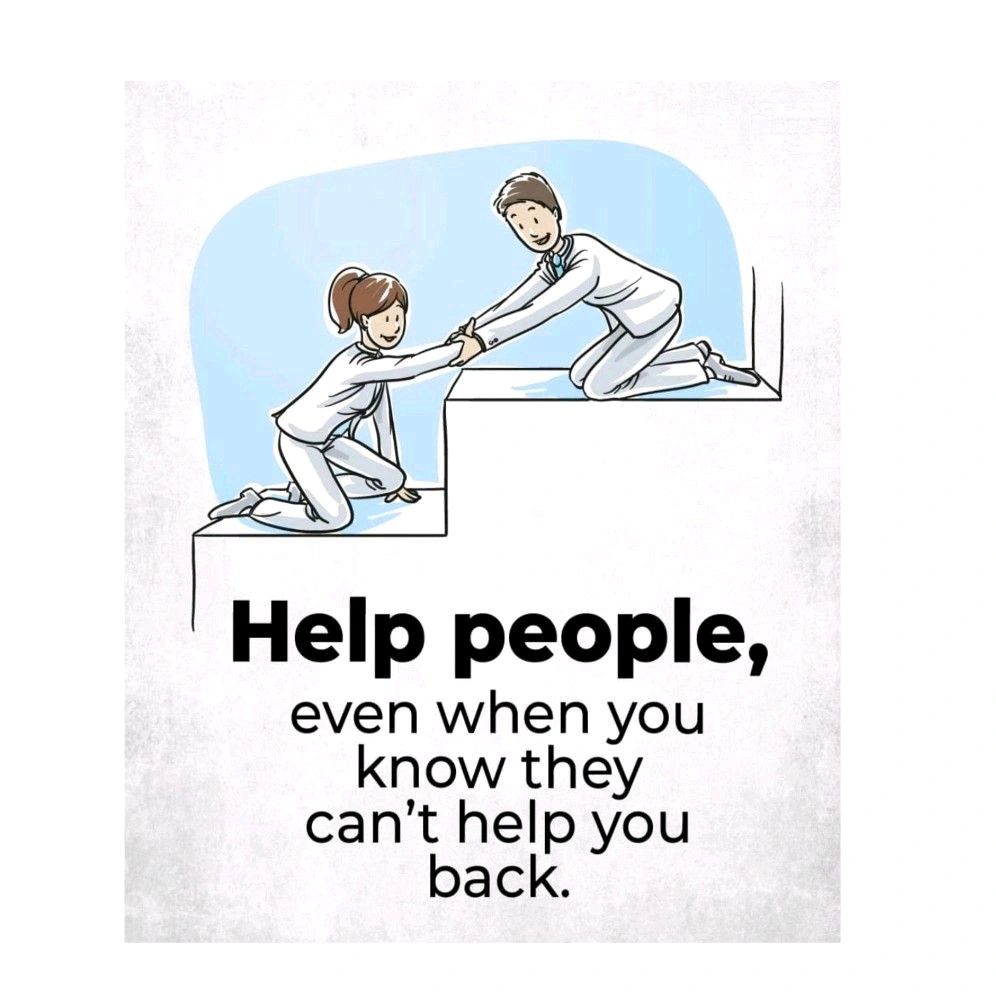
The "slow welcome" isn't about time. It's about presence.
It's the difference between:
Transactional greeting: "Welcome! Bathrooms are down the hall, kids check-in is to your left."
Present greeting: "Hey! Good to see you. First time here?" pauseactually wait for the answer "That's awesome. I'm so glad you came."
Feel the difference? The second one might only take ten more seconds. But those ten seconds communicate something words can't: You matter. You're not invisible. I see you.
Research backs this up. Studies show that warm, unhurried welcomes build trust and make people feel valued rather than processed. When someone feels respected and understood from the first moment, they're more likely to engage openly, return again, and become part of the community.
The paradox? Taking more time upfront actually creates deeper connections faster than rushing ever could.
Jesus Was Never in a Hurry
Want a model for the slow welcome? Look at Jesus.
Think about it. The Son of God, who had literally everything to do, who knew His time on earth was limited, who had crowds pressing in on every side, consistently stopped for the one.
The woman with the issue of blood? He stopped. He turned around. He spoke directly to her when He could have just kept walking (Mark 5:30-34).
Zacchaeus up in that tree? Jesus didn't just wave and keep moving. He stopped, looked up, called him by name, and invited Himself to dinner (Luke 19:5).
The children the disciples tried to shoo away? Jesus rebuked the efficiency experts and made time for every single one (Matthew 19:14).
Jesus practiced the ministry of presence. And if the Savior of the world had time to stop, look people in the eye, and make them feel seen, so do you.

Five Ways to Master the Slow Welcome
Alright, let's get practical. Because vision without action is just daydreaming. Here's how you actually do this:
1. Plant Your Feet
When you greet someone, stop moving. Don't shuffle. Don't lean toward the next person. Plant your feet, square your shoulders, and give them your full physical attention. Body language speaks louder than words.
2. Make Eye Contact That Lingers
Not in a creepy way, but don't let your eyes dart around while you're talking to someone. Look at them. Really look. Most people in their daily lives feel unseen. You have the power to change that in three seconds of genuine eye contact.
3. Ask One Real Question (And Wait for the Answer)
"First time here?" or "How's your morning going?" Pick one. Ask it. And then, this is crucial, actually pause and listen. Don't ask while you're already pivoting to the next task. The question isn't a formality. It's an invitation.
4. Use Their Name If You Catch It
Names are powerful. If they introduce themselves or you catch their name on a name tag, use it. "Great to meet you, Marcus. Hope you enjoy the service." That small personal touch elevates a greeting from generic to memorable.
5. End With Warmth, Not Logistics
Sure, they might need to know where the bathrooms are. But don't let logistics be the last thing you say. End with warmth: "So glad you're here today." "Hope to see you again soon." Leave them with a feeling, not just information.
The Greeter's Secret Superpower
Here's something Dr. Layne McDonald emphasizes in his leadership coaching that I want you to really hear: your presence is a form of prayer.
When you stand at that door with an unhurried heart, ready to see whoever God brings through, you're not just volunteering. You're interceding. You're saying with your whole being, "Lord, use me to make this person feel Your love before they even hear the sermon."
That's powerful stuff.
You might never know the impact. The visitor who was considering walking right back out. The person who almost didn't come because they were convinced they didn't belong. The one who just needed someone, anyone, to look them in the eye and smile like they meant it.
You could be the reason they stayed. The reason they came back. The reason they eventually met Jesus.
Presence Over Performance
Listen, I know the pressure. There's a lot happening on Sunday mornings. Parking teams, kids check-in, coffee running low, the worship team warming up: it's controlled chaos.
But in the middle of all that motion, you get to be an island of calm. A moment of stillness. A human being who isn't rushing, isn't distracted, isn't checking boxes.
You get to be present.
And presence: real, unhurried, attentive presence: is one of the most Christlike things you can offer another person.
So this week, I'm challenging you: slow down. Not your efficiency. Your energy. Greet fewer people more meaningfully rather than more people less meaningfully.
Watch what happens. Watch how people respond when they realize you're not in a hurry to get past them. Watch how the atmosphere at those doors shifts when every person who walks through feels genuinely welcomed.
That's the art of the slow welcome. And it will transform your ministry.
Ready to take your leadership and service to the next level? Dr. Layne McDonald offers coaching, training resources, and practical tools to help you grow in every area of ministry and life. Visit www.laynemcdonald.com to explore what's available and start your next chapter today.
Comments