

The Changing Landscape: Understanding the Rise of the ‘Nones’ in the West
- Layne McDonald
- 20 hours ago
- 6 min read

If you’ve taken a look around your neighborhood lately: whether you’re in a bustling city like Nashville or a quiet town in the Midwest: you might have noticed something shifting. It isn’t just the architecture or the shops; it’s the way people think about faith. For decades, the "default" setting for most people in the West was to belong to a church. You were a Baptist, a Catholic, a Lutheran, or a Methodist. It was part of your social ID card.
But today, that ID card is being left at home. We are witnessing a massive demographic shift: the rise of the "Nones." These aren't people with "none" of the answers or "none" of the spirit; they are the religiously unaffiliated. They are people who, when asked what religion they belong to on a survey, check the box that says "None of the above."
This isn't just a minor trend. It’s a fundamental reshaping of the Western world. From the United States to Germany, the landscape of belief is moving away from the steeple and toward something much more individualized. At The McReport, we want to look at this clearly, without the panic or the drama, so we can understand the heart of the people living right next door to us.
The Facts: How We Got Here
To understand where we are, we have to look at the numbers and the history. In the United States, the growth of the "Nones" has been staggering. Back in the early 1990s, only about 5% to 8% of Americans identified as religiously unaffiliated. Today, that number has surged to about 28% of U.S. adults. In just over thirty years, the "Nones" have become the fastest-growing "religious" demographic in the country.
It’s not just an American phenomenon. Over in Germany, the shift is even more structural. Germany has a long history of state-recognized churches where citizens pay a "church tax" (Kirchensteuer) unless they formally opt out. For years, thousands have been officially leaving the Catholic and Protestant churches (a process called Kirchenaustritt). In 2022 alone, over half a million people formally left the Catholic Church in Germany.
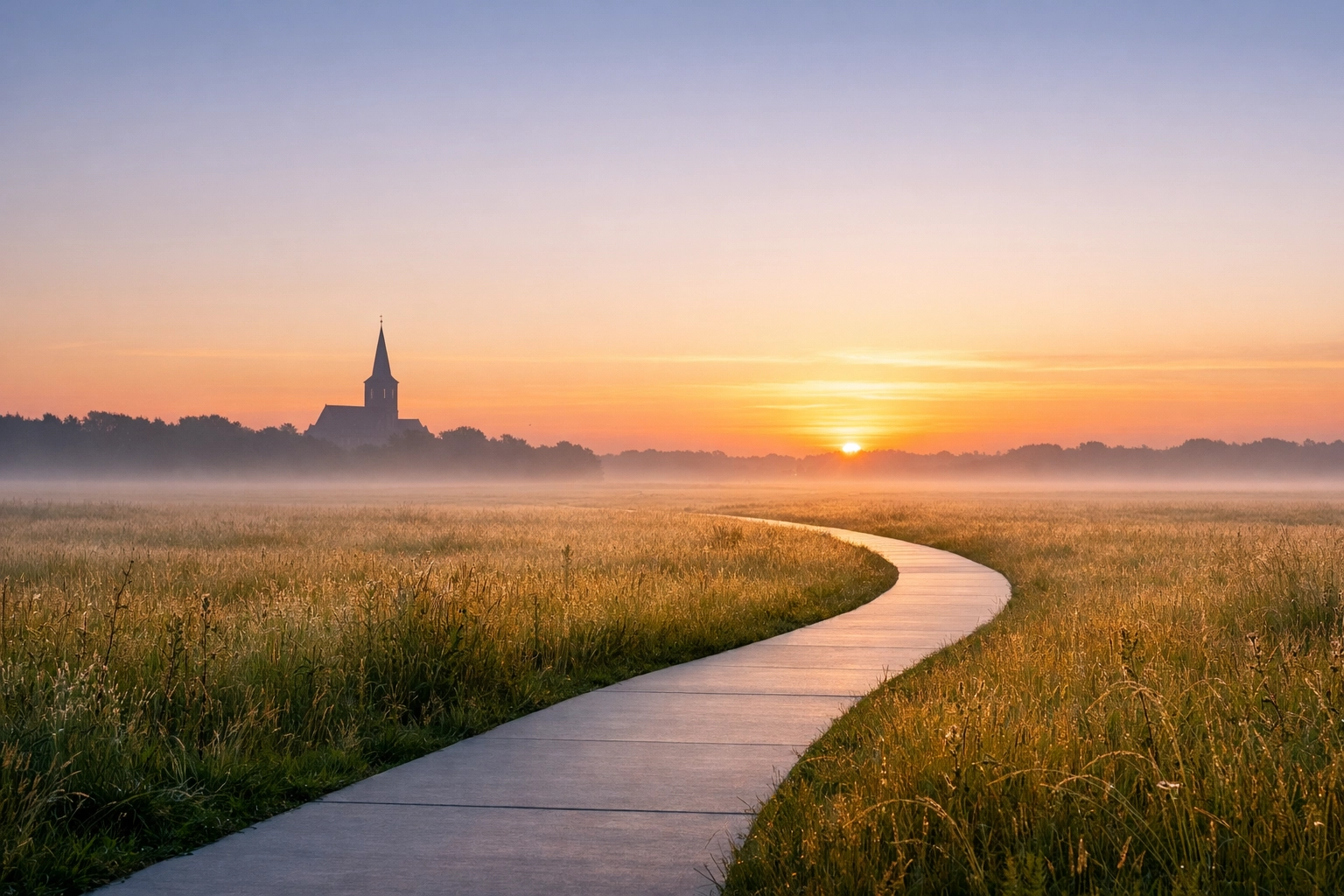
Why is this happening? It’s a cocktail of factors. For some, it’s a reaction against the institutionalization of faith. High-profile scandals, political polarization within denominations, and a general distrust of large organizations have led many to say, "I’m out." For others, it’s a matter of autonomy. In a world where we can customize everything from our coffee to our news feeds, many people feel that a "one-size-fits-all" religious dogma doesn't fit their personal journey.
The Current Status: Who Are the "Nones"?
One of the biggest misconceptions is that "None" means "Atheist." That’s actually far from the truth. The "Nones" are not a monolith; they are a diverse group of people with varying levels of belief.
Researchers generally break the group down into three categories:
Atheists (approx. 17%): Those who do not believe in God or a higher power.
Agnostics (approx. 20%): Those who aren't sure if God exists or believe it’s impossible to know.
Nothing in Particular (approx. 63%): This is the largest group. They aren't necessarily rejecting God; they are just rejecting the labels and the institutions.
What’s fascinating is that 61% of "Nones" still believe in a higher power. Many of them pray. Many of them meditate. Some even study sacred texts. They are "seekers" who are looking for meaning, purpose, and connection, but they are looking for it outside the four walls of a traditional church building. They are spiritually hungry, but they’ve decided the "menu" offered by organized religion isn't what they want to eat.
Different Ways to See the Shift
When we talk about the rise of the Nones, there are usually two or three major ways people interpret the data. It’s helpful to look at these viewpoints fairly to see the whole picture.
The Secular Progress Viewpoint Some see this shift as a sign of intellectual maturity in society. From this perspective, the decline of institutional religion is a move toward more rational, evidence-based living. It’s viewed as a "coming of age" where individuals are free to define their own ethics and values without being told what to do by a central authority. For these folks, the rise of the Nones is a win for personal freedom and scientific inquiry.
The Sociological Concern Viewpoint Other observers: including some secular sociologists: are worried about what this means for the "social fabric." Historically, churches provided the "social glue" for communities. They were where you found childcare, help in a crisis, and a sense of belonging. As people disaffiliate, there is a risk of increased loneliness and a lack of community support systems. When the "pew" is empty, where do people go to be known and loved in their local neighborhood?
The Missional Opportunity Viewpoint From a faith perspective, many see this not as a defeat, but as a "reset." This view suggests that the "cultural Christianity" of the past: where people went to church just because it was the social thing to do: is dying. What’s left is a group of people who are being honest about their beliefs. For the church, this is an invitation to move away from "business as usual" and return to the core of what it means to follow Jesus in a way that is authentic and relational.

A Biblical Lens: Sheep Without a Shepherd
As we process this through a Protestant, Assemblies of God mindset, we don't look at the "Nones" with judgment or fear. We look at them through the eyes of Jesus. In Matthew 9:36, it says that when Jesus saw the crowds, "he had compassion on them, because they were harassed and helpless, like sheep without a shepherd."
The rise of the "Nones" tells us that people are wandering. But wandering isn't always a sign of rebellion; often, it’s a sign of a search. As Pentecostals, we believe in the present power of the Holy Spirit. We believe that God isn't confined to a building or a tax record in Germany. The Holy Spirit is active in the lives of people who don't yet have a label for what they are feeling.

Our focus on the "Great Commission" and "Salvation" means we see the 28% of unaffiliated Americans as a beautiful, vast mission field right in our own backyards. If people are leaving institutions because they find them cold or judgmental, our response shouldn't be to get louder or more political. Our response should be to embody the fruit of the Spirit: love, joy, peace, patience, kindness, goodness, faithfulness, gentleness, and self-control.
We also lean into the "Baptism in the Holy Spirit." This is about an encounter with the living God. Many "Nones" say they are "spiritual but not religious." They are looking for an experience, not just a lecture. This is exactly what the Book of Acts describes: a faith that is experienced, felt, and lived out through the power of God.
A Calm Next Step
So, how do we respond to this changing landscape? We don't need to panic, and we don't need to start an argument. Here is a peaceful way forward:
1. Pray for the Seekers Instead of worrying about the decline of denominations, pray for the 63% of Nones who say they are "nothing in particular" but still believe in a higher power. Pray that they would encounter the Holy Spirit in a way that brings them clarity and peace.
2. Discern the "Why" If you have friends or family who have left the church, listen to them. Don't try to "fix" them right away. Understand their journey. Often, their reasons for leaving are valid critiques of how the church has failed to reflect the heart of Christ. Use that discernment to grow in your own walk.
3. Serve Without Strings The "Nones" are often looking for authenticity. Find ways to serve your community: your neighbors, your coworkers: without expecting them to sign a membership card the next day. Let your actions speak about the God you serve before your words do.
4. Speak with Wisdom When the topic of faith comes up, stay calm. You don't have to defend an institution; you just have to share your story. Speak with the "pastor’s newsroom" tone: truth mixed with mercy.

Hope for the Journey
The landscape is changing, but the heart of the Gospel remains the same. God has always been in the business of finding the one sheep that left the ninety-nine. Whether someone is an atheist in Berlin or a "spiritual but not religious" student in California, they are deeply loved by their Creator.
The rise of the "Nones" isn't the end of faith; it’s the beginning of a new chapter where we get to show the world what following Jesus really looks like: beyond the labels and the politics.
If you’re feeling a bit lost in this changing culture, or if you’re one of those people who feels "none of the above" but you’re still looking for truth, we’d love to walk with you. There is hope, and there is a place for you.
Follow for more Christ-centered clarity on today’s biggest questions at LayneMcDonald.com.
If you're looking for a community that embraces these questions, we invite you to check out Boundless Online Church, or if you need personal guidance, consider coaching at LayneMcDonald.com.
Source: Pew Research Center, "Religious 'Nones' in America: Who They Are and What They Believe" (2024); Deutsche Welle (DW) reporting on German church exits.

$50
Product Title
Product Details goes here with the simple product description and more information can be seen by clicking the see more button. Product Details goes here with the simple product description and more information can be seen by clicking the see more button

$50
Product Title
Product Details goes here with the simple product description and more information can be seen by clicking the see more button. Product Details goes here with the simple product description and more information can be seen by clicking the see more button.
$50
Product Title
Product Details goes here with the simple product description and more information can be seen by clicking the see more button. Product Details goes here with the simple product description and more information can be seen by clicking the see more button.
Comments