The Neuroscience of Belonging: Why Your Brain Craves a Church Family
- Dr. Layne McDonald
- Feb 8
- 6 min read

By Dr. Layne McDonald
Your brain isn't just suggesting you need community: it's demanding it.
Every Sunday morning when you pull into that church parking lot, something profound happens beneath your skull. Your prefrontal cortex lights up. Your oxytocin levels shift. Neural pathways that have been dormant all week suddenly activate. Science is confirming what Scripture has declared for thousands of years: we are hardwired for belonging.
Here in Memphis, where sweet tea flows and neighbors still wave from porches, we understand community differently than most places. But even in the South, isolation is creeping in. Digital screens replace dinner tables. Streaming services substitute for sanctuary. And our brains? They're paying the price.
Your Brain on Belonging
Neuroscience research reveals something stunning: attachment and love fuel transformation at the neurological level. This isn't poetic language: it's measurable brain chemistry.
When you engage in shared worship, lift your hands in collective praise, or bow your head alongside fellow believers, your brain doesn't passively absorb information. It actively builds neural pathways. Think of it like this: every time you participate in communal faith practices, your brain is literally rewiring itself to reflect the values, behaviors, and identity of that community.
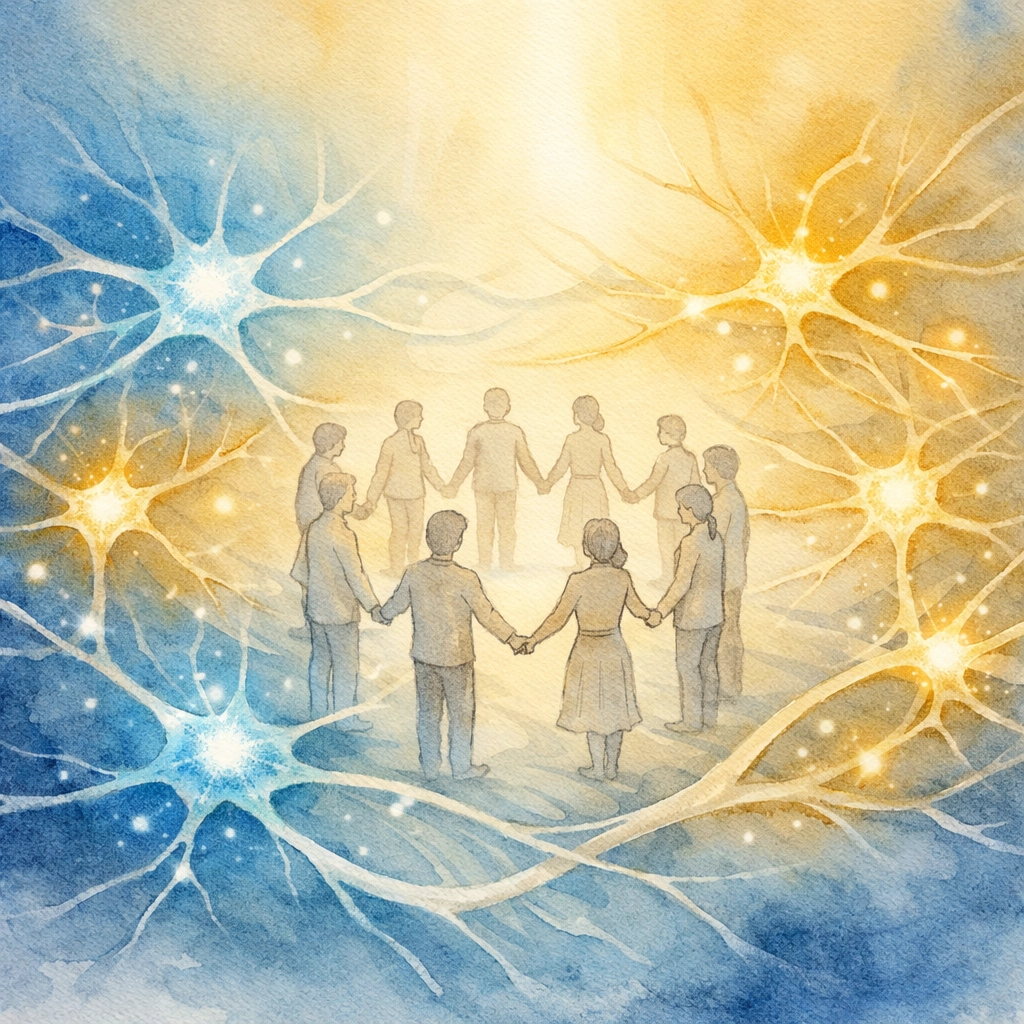
Action creates neural pathways. This is why sitting in a pew and simply listening to sermons produces different results than actively participating in prayer circles, serving in ministries, or breaking bread together. Your brain learns through doing, through connection, through shared experience.
When you volunteer at the food pantry, your brain records that as part of who you are: not just what you know. When you pray with someone in crisis, neural connections form that shape your identity as a caregiver, an intercessor, a vessel of God's love.
Purpose and Belonging: Not Optional, Essential
Research into mental health and neuroscience confirms what pastors and counselors have witnessed for generations: purpose and belonging are not luxuries. They're essential components of psychological well-being.
Studies show that purposeful belonging: where individuals are affirmed for who they fundamentally are, not just what they do: directly impacts those suffering from depression, trauma, and PTSD. When a faith community affirms "the gift of each member" and their intrinsic worth as image-bearers of God, it creates a neurobiological environment where the brain can heal and thrive.
This is particularly powerful for those of us ministering in urban environments. Memphis carries both beauty and brokenness. Our city has seen its share of trauma, violence, and loss. But when someone walks into a church family that says, "You belong here. You matter here. Your story has value here": something shifts at a cellular level.
The brain registers: I am safe. I am known. I am home.
Identity Formation Through Relational Practice
Here's where neuroscience gets beautifully spiritual: joy, identity formation, and loving relationships are not secondary to spiritual development: they're foundational to it.
Traditional models of discipleship often treated people as passive recipients of doctrine. Sit. Listen. Absorb. Repeat. But neuroscience reveals a different path. When your brain engages in joyful, relational practices within a church family, learning shifts from abstract factual knowledge into autobiographical memory: the part of your brain that defines who you are.
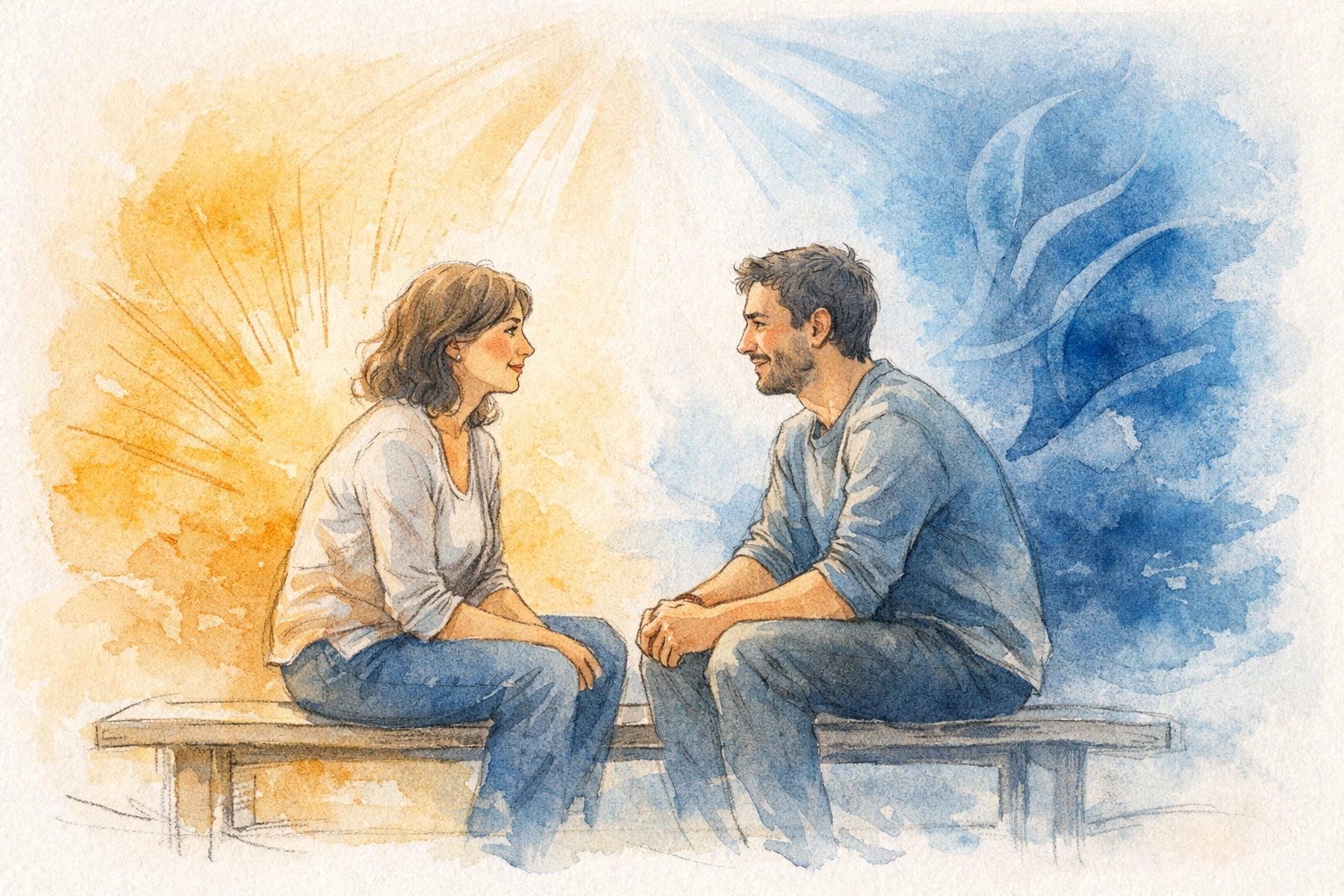
This explains why isolated belief feels so different from belief embedded in community relationships. You can know theology intellectually without letting it penetrate your identity. But when you experience God's love through the embrace of a sister in Christ who just lost her job, or through the prayer of a brother who shows up at your hospital bedside: that's autobiographical. That becomes part of your story. That rewires your brain.
In Memphis, we call this "doing life together." It's messy. It's real. It's barbecue on Saturday and early morning prayer on Wednesday. It's checking on Miss Dorothy next door and letting the young couple crash in your guest room when they're between apartments.
[Breath Section: Pause and Reflect]
Take a moment right now. Put your hand over your heart.
Breathe in deeply through your nose for four counts.
Hold for four counts.
Breathe out slowly through your mouth for six counts.
Ask yourself: When was the last time I felt truly known by someone?
When was the last time I knew someone else: really knew them?
Your brain is designed for this depth of connection. It craves it. The loneliness you feel isn't a character flaw: it's your nervous system crying out for what it was created to experience: belonging in the family of God.
The Memphis Advantage: Community in Your DNA
Those of us living in the Bluff City have an advantage. Southern culture still values face-to-face connection. We still gather. We still potluck. We still show up.
But don't let tradition become complacency. The research is clear: intentional community practices create stronger neural networks than passive cultural participation. This means we can't coast on heritage. We have to actively cultivate the kind of church family that transforms brains and hearts.
What does this look like practically?
Small groups that prioritize vulnerability over curriculum. Your brain changes more through authentic sharing than through completing another workbook.
Serving opportunities that match gifting with need. When you use your God-given talents to bless others, you're not just helping: you're establishing neural pathways that reinforce your identity as a servant-leader.
Worship experiences that engage multiple senses. Your brain processes synchronized movement, harmonized voices, and collective focus differently than solo activities. This is why corporate worship matters.
Intergenerational relationships that mirror the body of Christ. When teenagers mentor children, when young adults serve seniors, when empty-nesters disciple newlyweds: everyone's brain benefits from the complexity and richness of diverse connection.
From Neuroscience to Transformation
Here's the truth that keeps me up at night and wakes me up early: every person walking through church doors carries a brain that's either starving for belonging or feasting on it.
As a counselor and pastor, I've witnessed both extremes. I've seen the woman whose anxiety disorder improved not through medication alone, but through the steady presence of a prayer partner who texted her Scripture every morning. I've watched the teenage boy who was failing school transform into a straight-A student after joining a men's mentorship group at church.
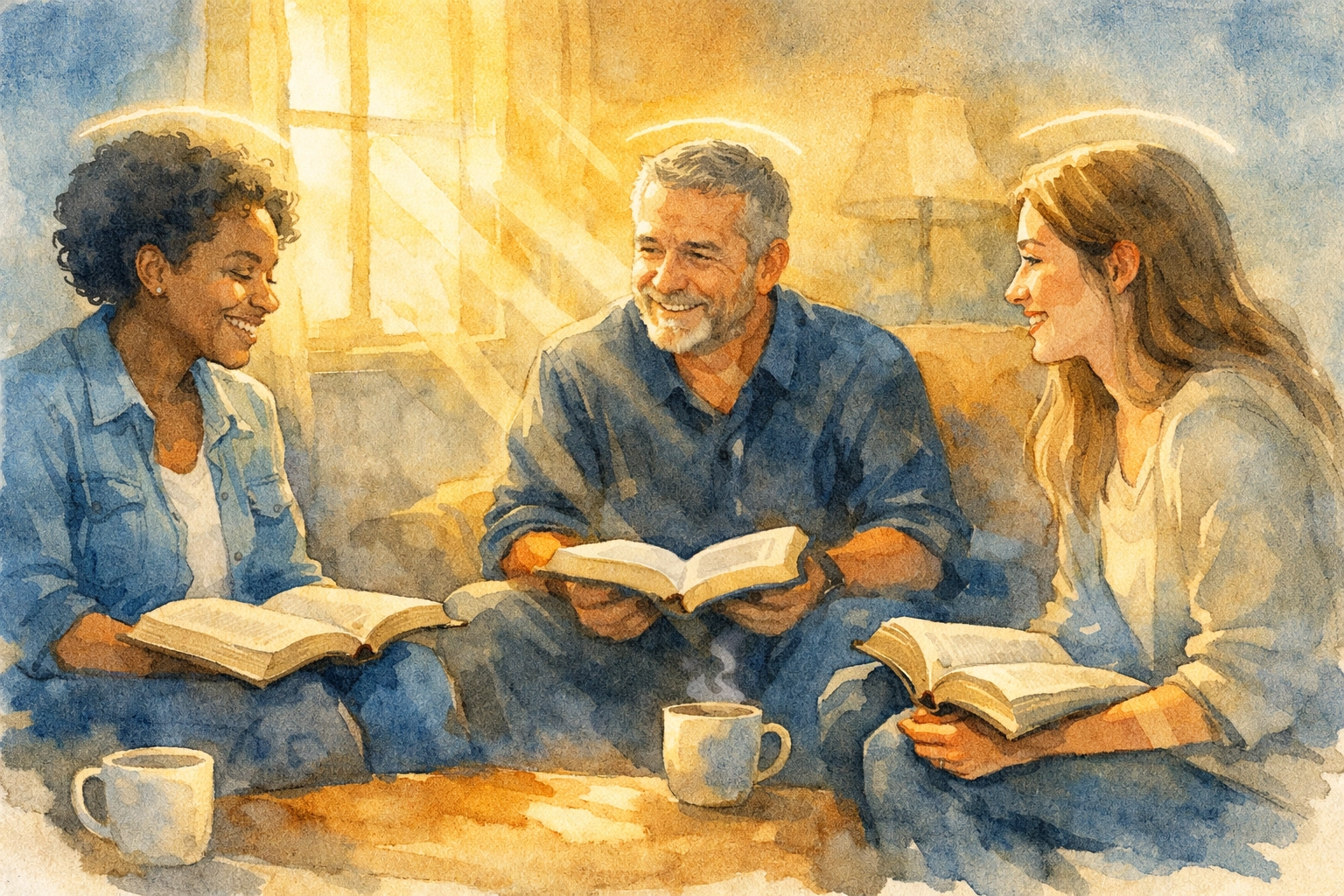
The neuroscience backs up these stories. When our brains experience consistent, loving connection within a faith community, cortisol levels decrease. Serotonin production increases. The prefrontal cortex: responsible for decision-making and impulse control: strengthens. The amygdala: our brain's fear center: calms down.
This is the gospel made neurological.
Your Next Step: Subscribe for Neuroscience-Backed Faith Tools
If this content resonated with you, I want to invite you to take the next step. At www.laynemcdonald.com, I'm releasing regular content that bridges the gap between cutting-edge neuroscience and timeless biblical truth. Subscribe to receive practical, faith-driven tools that will help you grow spiritually and mentally.
Here's something beautiful: every time you visit the site, you're helping raise funds for families who have lost children through Google AdSense: at no cost to you. Your engagement literally supports grieving parents while you're growing in Christ. That's kingdom economics.
And if you're looking for a spiritual home where you can experience this kind of transformative community, check out www.boundlessonlinechurch.org: a private online church where you can watch teachings and join family groups with or without signing up. Stay grounded. Stay connected. Stay growing.
The Invitation Your Brain Is Waiting For
Your brain was designed in the image of a relational God. The Father, Son, and Holy Spirit exist in perfect community: and they've embedded that same craving for connection deep into your neural architecture.
The isolation you feel isn't normal. The loneliness that creeps in on Sunday evenings isn't your destiny. The sense that you're going through life without a team: that's not how God designed you to live.
Your brain is sending you signals: Find your people. Build your tribe. Come home to family.
The neuroscience is clear. The Scripture is clearer. And the invitation is open.
You were never meant to do this alone. Your brain knows it. Your heart feels it. And today, God is confirming it: you belong in the family of God.
The question isn't whether your brain craves a church family. Science has settled that debate. The question is: Will you answer the craving?
Dr. Layne McDonald is a pastor, published author, professional coach, and creator of faith-based resources that integrate biblical wisdom with modern psychology and neuroscience. Connect with him at www.laynemcdonald.com for coaching, mentorship, books, music, and practical tools for Christian growth.
Comments