The Neuroscience of Connection: Creating Emotional Safety in Your Congregation
- Dr. Layne McDonald
- Mar 2
- 5 min read

Have you ever walked into a room and instantly felt welcomed? Or maybe you've experienced the opposite: stepping through church doors and sensing something was off, even though you couldn't quite name it. That gut feeling isn't just intuition. It's actually your brain's sophisticated threat-detection system at work.
As pastors, ministry leaders, and church volunteers, we carry an incredible responsibility. We're not just facilitating programs or preaching sermons: we're shaping the neurological experiences of every person who enters our congregation. And when we understand how God designed the human brain to seek safety and connection, we can become far more effective at creating spaces where genuine spiritual transformation happens.
The Brain God Designed for Connection
Scripture tells us we're "fearfully and wonderfully made" (Psalm 139:14), and modern neuroscience confirms just how intricate that design truly is. Our brains are constantly scanning our environment, asking three fundamental questions:
Am I safe here?
Do I understand what's happening?
Am I alone in this?
When someone walks into your church, their brain begins answering these questions within milliseconds: often before they've even found a seat. If the answers feel threatening, their amygdala activates, cortisol floods their system, and their capacity for openness, learning, and spiritual engagement dramatically decreases.
But here's the beautiful part: when people experience genuine safety signals, their prefrontal cortex comes back online. Complex thinking returns. Emotional regulation improves. Empathy expands. They become capable of the deep, transformative encounters with God that we pray for.

Why Emotional Safety Matters More Than We Realize
Jesus understood something profound about human nature. Notice how often He addressed fear before teaching truth. "Fear not" appears throughout Scripture not as a casual suggestion, but as an invitation into a neurological state where real change becomes possible.
When congregation members feel judged, excluded, or uncertain about social consequences, their brains treat these social threats similarly to physical danger. The same neural pathways activate. The same stress hormones release. And suddenly, that sermon you spent hours preparing? It's bouncing off a brain locked in survival mode.
Emotional safety in church isn't about making people comfortable with sin or avoiding hard truths. It's about creating the neurological conditions where hearts can actually receive those truths and respond to the Holy Spirit's prompting.
The Neurochemistry of Belonging
God wired us with remarkable chemical systems that support connection and community. Understanding these can transform how we approach ministry:
Oxytocin releases during positive social interactions: warm greetings, genuine eye contact, appropriate touch like handshakes or hugs. This "bonding hormone" builds trust and reduces fear. When your greeter team offers authentic welcomes, they're literally changing the brain chemistry of everyone who walks through those doors.
Serotonin stabilizes mood and supports openness to new ideas. People with healthy serotonin levels can engage difficult topics without becoming defensive. Community, belonging, and feeling valued all contribute to healthy serotonin function.
Mirror neurons allow us to unconsciously synchronize with those around us. This means your calm presence as a leader directly influences the physiological states of your congregation. Your anxiety becomes their anxiety. Your peace becomes their peace.

Practical Steps for Creating Emotional Safety
Theory matters, but application changes lives. Here are concrete ways to build emotional safety into your congregation's culture:
Name Reality Clearly
Ambiguity triggers threat responses. When your church faces challenges: budget shortfalls, leadership transitions, difficult seasons: address them directly. Unexplained silence is far more threatening to the brain than honest acknowledgment of difficulty.
The Apostle Paul modeled this beautifully. He didn't hide his struggles from the churches he served. He named them, processed them, and pointed people toward Christ through them.
Establish Predictable Rhythms
Consistency creates neurological calm. Regular service times, predictable worship flow, and consistent communication patterns all signal safety to the brain. This doesn't mean you can't innovate: it means you provide enough stability that innovation feels exciting rather than threatening.
Share the "Why" Behind Decisions
When people understand reasoning, their brains perceive greater fairness and certainty. Don't just announce changes: help your congregation understand the prayer, discussion, and Scripture that informed those decisions.
Welcome Questions Without Punishment
A congregation where people fear asking questions is a congregation stuck in survival mode. Create explicit spaces: small groups, Q&A sessions, open office hours: where curiosity is celebrated rather than suspected.
Model Appropriate Vulnerability
When leaders admit mistakes, ask for help, or acknowledge uncertainty, they signal that imperfection is safe here. This reduces perceived power distance and activates empathy in others. Jesus washed feet. He wept publicly. He asked His disciples to pray with Him in His darkest hour.

The Ripple Effect of Safe Leadership
Something remarkable happens when church leaders prioritize their own emotional health and safety. Their language softens. Their listening deepens. They become less reactive and more responsive. And this transformation cascades through the entire congregation.
I've watched churches transform not through new programs or building campaigns, but through leaders who committed to becoming non-anxious presences in anxious times. Their steadiness became contagious. Their peace became the congregation's peace.
This is why self-care isn't selfish for ministry leaders: it's stewardship. You cannot give what you don't have. Your nervous system regulation directly impacts every person you shepherd.
Safety Enables Capacity
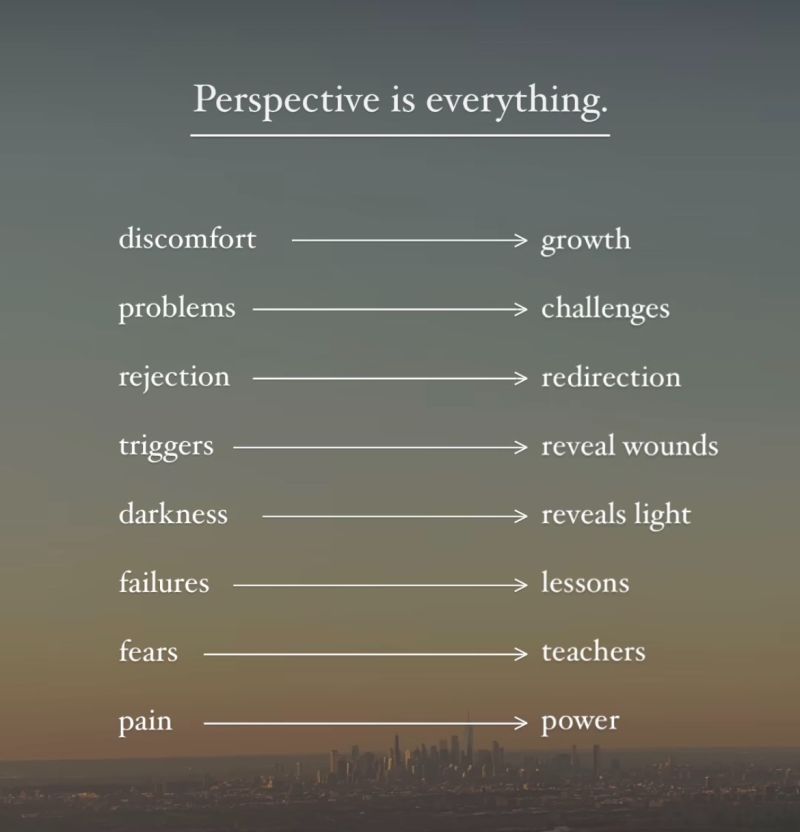
Here's a crucial insight: emotional safety isn't about avoiding discomfort or hard conversations. It's about building capacity for those very things.
When congregation members feel genuinely safe:
Working memory increases
Problem-solving improves
Collaboration becomes easier
Cognitive flexibility returns
Creativity reactivates
These capacities are essential for meaningful spiritual growth, difficult conversations about faith and life, and effective collaborative ministry. Safety doesn't prevent growth: it enables it.
Moving Forward With Intention
Creating emotional safety in your congregation isn't a one-time initiative. It's a daily commitment to seeing people the way Jesus sees them: beloved, valuable, worthy of patience and understanding.
Start small. Train your greeter team in the neuroscience of first impressions. Evaluate your communication patterns for ambiguity. Create spaces for questions. Model vulnerability from the platform. Check your own stress levels before you lead.
The brain God designed responds to the love God commands. When we create environments that honor both, we position our congregations for the deep, lasting transformation only He can bring.
Ready to go deeper? If you're looking for support in building emotionally safe environments in your church or personal life, Dr. Layne McDonald offers Christian counseling services in Memphis and beyond. With decades of experience blending biblical wisdom with practical psychology, he can help you lead from a place of health and wholeness.
Reach out today at laynemcdonald.com to learn more about counseling, coaching, and leadership resources designed specifically for ministry leaders who want to make a lasting impact.
Comments