The Numbers Study Part 2: The Weight of Responsibility
- Dr. Layne McDonald
- Mar 2
- 5 min read

Moses had his breaking point.
Most people don't talk about that. We love the Red Sea parting. We quote the Ten Commandments. But somewhere in the dusty pages of Numbers, we find one of the greatest leaders in history absolutely exhausted, overwhelmed, and asking God why He put this burden on him in the first place.
If you've ever carried responsibility that felt too heavy, ministry, family, work, or all three at once, this story is for you.
Welcome to Part 2 of our Numbers Study. Today, we're digging into something that doesn't get preached enough: the weight of responsibility and what to do when it's crushing you.
When the Load Gets Too Heavy
In Numbers 11, the Israelites are complaining. Again. They want meat instead of manna. They're weeping. They're frustrated. And Moses? He's caught in the middle between an unhappy crowd and a holy God.
Listen to what Moses says in verses 11-14:
"Why have you brought this trouble on your servant? What have I done to displease you that you put the burden of all these people on me?... I cannot carry all these people by myself; the burden is too heavy for me."
Read that again. Moses said the burden was too heavy.
This wasn't weakness. This wasn't a lack of faith. This was an honest assessment from a man who had been leading over a million people through a wilderness with no roadmap, no resources, and constant criticism.
Sound familiar?

The Myth of the Solo Leader
Here's where culture, even church culture, gets it wrong. We glorify the lone ranger. The pastor who does everything. The parent who never asks for help. The business owner who handles it all.
But that's not God's design.
When Moses cried out, God didn't say, "Toughen up." He didn't quote Philippians 4:13 and walk away. Instead, He gave Moses a strategy:
"Bring me seventy of Israel's elders who are known to you as leaders and officials among the people... They will share the burden of the people with you so that you will not have to carry it alone." (Numbers 11:16-17)
God's solution to burnout was delegation. It was shared leadership. It was admitting that no one, not even Moses, was designed to carry everything alone.
Why We Refuse to Delegate
If delegation is so biblical, why do so many of us refuse to do it?
A few reasons:
Pride – We think no one can do it as well as we can.
Fear – We're afraid of what people will think if we admit we need help.
Control – Letting go feels like losing grip on what matters.
Identity – Our self-worth is tied to being "the one" who holds it all together.
But here's the truth: carrying everything yourself isn't faithfulness. It's stubbornness.
God didn't call you to burn out. He called you to build up. And building up means trusting others with pieces of the puzzle.
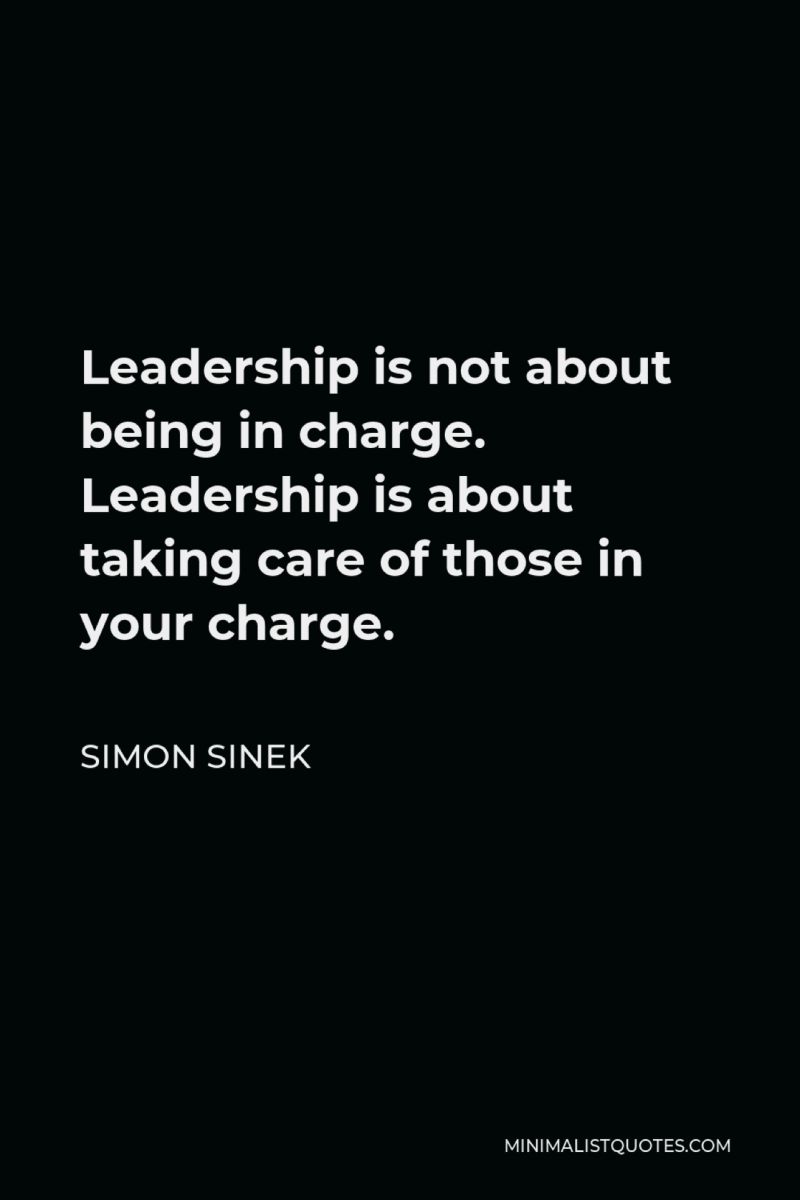
Practical Steps for Healthy Delegation
Alright, let's get practical. If you're reading this and your shoulders are tight just thinking about your to-do list, here are some real steps you can take this week:
1. Make a List of Everything You're Carrying
Write it down. All of it. Ministry tasks, family responsibilities, work projects, emotional labor: everything. Sometimes seeing it on paper shows you just how unrealistic your load has become.
2. Identify What Only You Can Do
Not everything on that list requires you. Some things do: leading your family spiritually, making key decisions, casting vision. But most tasks? Someone else can handle them. Circle the non-negotiables. Everything else is up for delegation.
3. Find Your Seventy Elders
Who are the capable people around you? Maybe it's a spouse, a coworker, a volunteer, or a neighbor. God has placed people in your life for a reason. It's not weakness to ask them to step in: it's wisdom.
4. Release Control Without Releasing Care
Delegation doesn't mean abandonment. You can hand something off and still check in. You can trust someone and still guide them. The goal is shared responsibility, not total disconnect.
5. Rest Without Guilt
Once you've delegated, actually rest. Don't micromanage from the sidelines. Don't hover. Let the Sabbath principle do its work in your soul. God rested on the seventh day: not because He was tired, but because rest is part of the rhythm of healthy creation.
Burnout Is a Warning, Not a Badge
Too many leaders wear their exhaustion like a medal. "I haven't taken a day off in three years." "I slept four hours again last night."
That's not dedication. That's a warning light flashing on your dashboard.
Burnout tells you something is off. It's not a sign of how much you love your calling: it's a sign that you've drifted from the way God designed leadership to work.
Moses almost quit. He told God he'd rather die than keep going the way things were. But God didn't remove him from leadership. He restructured the system so Moses could lead sustainably.
That's what healthy ministry looks like. That's what healthy parenting looks like. That's what healthy anything looks like.
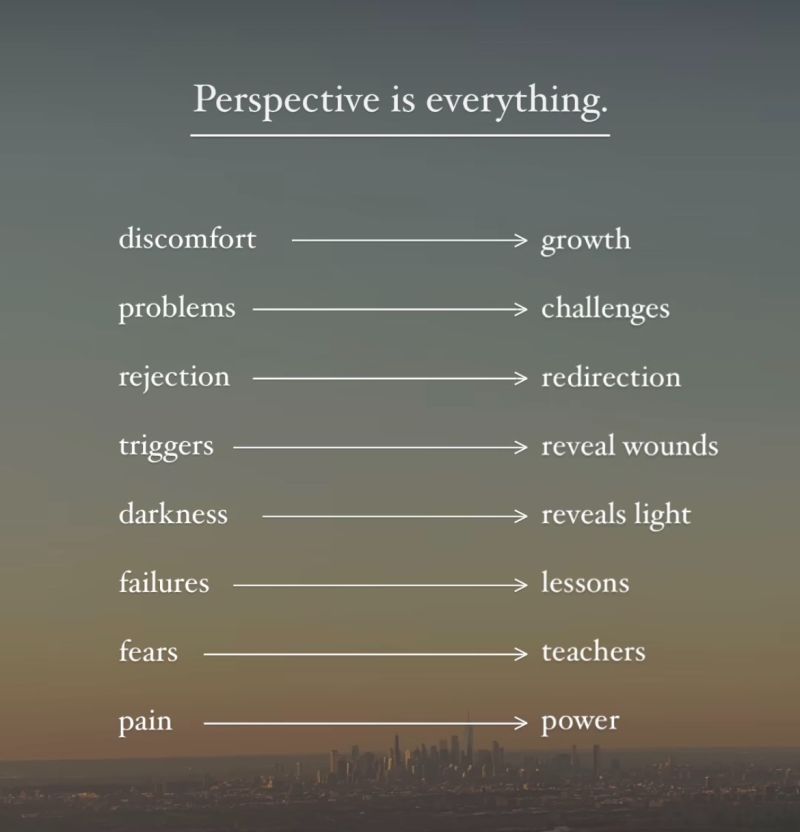
The Freedom in Letting Go
There's a moment: maybe you've felt it: when you finally release something you've been gripping too tightly. And instead of everything falling apart, it actually gets better.
That's the paradox of kingdom leadership. When you let go, God moves. When you trust others, they rise. When you admit you're not enough, you finally have room for the One who is.
Moses didn't become less of a leader when he shared the load. He became a better one. The seventy elders received the same Spirit that was on Moses, and together, they led Israel forward.
You weren't meant to do this alone. And the sooner you embrace that, the sooner you'll find the peace and effectiveness you've been chasing.
A Prayer for the Overwhelmed
If this post hit home for you, let me leave you with a simple prayer:
Lord, I confess that I've been carrying things You never asked me to carry alone. Forgive my pride. Forgive my fear. Show me who I can trust. Give me the courage to delegate. Help me rest in You, knowing that Your strength is made perfect in my weakness. Amen.
Your Next Step
If you're in a season of burnout: or you feel one coming: don't wait until you hit the wall. Reach out. Get equipped. Learn how to lead from a place of health, not hustle.
Dr. Layne McDonald has spent decades coaching leaders, pastors, parents, and creatives through seasons just like this. Through books, video courses, and one-on-one mentorship, there's a path forward that doesn't end in exhaustion.
Visit www.laynemcdonald.com today and take the next step toward leading well( without losing yourself in the process.)
Comments