

The Numbers Study Part 3: Complaining in the Camp
- Layne McDonald
- 3 hours ago
- 4 min read


You know that feeling when you're scrolling through your group chat and someone starts venting, and then another person joins in, and before you know it, the whole conversation has become a spiral of negativity? Yeah. That's not a new phenomenon. The Israelites invented it about 3,500 years ago in the middle of a desert.
Welcome back to our Numbers Study. If you've been following along, you know we've been walking through the wilderness alongside God's people, learning from their triumphs and their stumbles. Today, we're camping out in Numbers 11, where the complaints get loud, the fire gets hot, and God shows us something powerful about how He handles our grumbling hearts.
Let's dig in.
When the Grumbling Started
Picture this: the Israelites had just been delivered from 400 years of slavery. God had parted the Red Sea. He was providing manna from heaven every single morning. A pillar of cloud led them by day, fire by night. They had front-row seats to miracles most people only read about.
And yet, they complained.
Numbers 11:1 says it plainly: "Now the people complained about their hardships in the hearing of the Lord."
Not whispered frustrations in their tents. Not private journal entries. This was out-loud, community-wide grumbling that rose up high enough for God Himself to hear it. And Scripture tells us His anger was kindled.
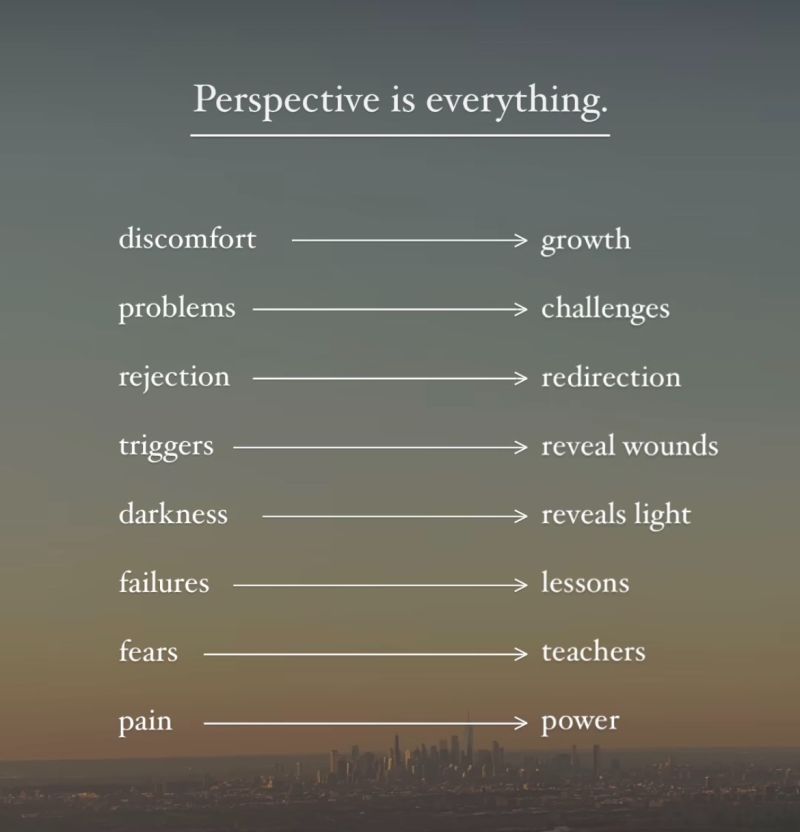
Here's the thing: complaining has a way of spreading. One voice becomes two. Two becomes twenty. Before long, the entire camp is focused on what's wrong instead of what's been provided. Sound familiar?
The Fire Falls
God's response was swift and serious. Fire came down and consumed the outskirts of the camp. The text calls the place "Taberah," which literally means "the place of burning." This wasn't a gentle warning, it was a line drawn in the sand.
Now, before we get nervous about a God who sends fire, let's zoom out for a moment. These weren't people who had a bad day and let off some steam. This was a pattern. A posture. A lifestyle of ingratitude in the face of overwhelming provision.
God wasn't punishing doubt. He was confronting a heart condition that was poisoning the entire community.
And here's what's beautiful: the moment the people cried out to Moses, Moses prayed, and the fire stopped. Intercession changed the outcome. Grace stepped in.
Why We Complain
If we're honest, complaining feels good in the moment. It's a release valve. It's connection through shared frustration. But here's what complaining actually does:
It shifts our focus from provision to lack. The Israelites had bread from heaven, but they wanted meat. They had freedom, but they missed the "variety" of Egypt.
It poisons the atmosphere. Complaining is contagious. One grumbler can turn a whole team, family, or church sour.
It blocks gratitude. You can't be thankful and complaining at the same time. They occupy the same space in your heart.
The root of complaining is often unmet expectations. We expected life to look a certain way, and when it doesn't, we vocalize our disappointment, sometimes to anyone who will listen.

Addressing Negativity With Grace
So how do we handle complaining, in ourselves and in others, without becoming judgmental or dismissive? Here are some practical, grace-filled steps:
1. Acknowledge the Feeling, Then Redirect
Feelings are real, but they're not always true. When someone is venting (or when you catch yourself spiraling), acknowledge the emotion: "I hear you. That sounds frustrating." Then gently redirect: "What's one thing that's going well right now?"
This isn't toxic positivity. It's intentional refocusing.
2. Check Your Own Heart First
Before you address someone else's negativity, check your own. Are you carrying resentment? Are you quietly grumbling under your breath? Jesus had some strong words about noticing the speck in someone else's eye while ignoring the plank in our own.
3. Intercede Before You Correct
Moses didn't lecture the people first. He prayed. When you encounter negativity in your home, your workplace, or your church, bring it to God before you bring it to the person. Intercession softens hearts, including yours.
4. Create a Culture of Gratitude
Complaining thrives in environments where gratitude is absent. Start meetings with wins. End dinners with "what are you thankful for today?" Make gratitude a rhythm, not just a reaction.

5. Set Gentle Boundaries
You don't have to absorb everyone's negativity. It's okay to lovingly say, "Hey, I want to support you, but I'm noticing this conversation is pulling us both down. Can we talk about solutions instead?"
Boundaries aren't rejection. They're protection: for you and for the relationship.
What God Is Really After
Here's the heart behind Numbers 11: God isn't looking for perfection. He's looking for partnership. He wants a people who trust Him, even when the road is long and the manna gets repetitive.
Complaining says, "God, You're not enough."
Gratitude says, "God, even in this desert, You are with me."
The Israelites had every reason to be grateful. They had been rescued, provided for, and led by the Creator of the universe. But their eyes were fixed on what they didn't have instead of Who they did have.
We do the same thing. We scroll through someone else's highlight reel and forget the miracles in our own story. We fixate on the one thing that's broken and ignore the hundred things that are working.

Moving Forward
If you've been stuck in a season of complaining, here's the good news: you can turn around today. Not through willpower, but through surrender. Ask God to shift your perspective. Invite Him into your frustration. Let Him remind you of His faithfulness.
And if you're leading others: whether as a parent, a pastor, a manager, or a friend: model what it looks like to address negativity with grace. Don't shame people out of their feelings. Lead them toward gratitude through your own example.
The wilderness isn't the final destination. It's the training ground. And sometimes, the training includes learning how to praise God when the only thing on the menu is manna.
Let's Keep Walking Together
This Numbers Study is just getting started, and I'd love to have you along for the journey. If you're looking for more resources on faith, leadership, and personal growth, head over to www.laynemcdonald.com. You'll find books, coaching, and practical tools to help you grow deeper in your walk with God.
See you in Part 4.

$50
Product Title
Product Details goes here with the simple product description and more information can be seen by clicking the see more button. Product Details goes here with the simple product description and more information can be seen by clicking the see more button

$50
Product Title
Product Details goes here with the simple product description and more information can be seen by clicking the see more button. Product Details goes here with the simple product description and more information can be seen by clicking the see more button.
$50
Product Title
Product Details goes here with the simple product description and more information can be seen by clicking the see more button. Product Details goes here with the simple product description and more information can be seen by clicking the see more button.
Comments