

The Power of "I Don't Know": Leading with Humility in a World of Certainty
- Layne McDonald
- 2 hours ago
- 5 min read

You're sitting in a leadership meeting when someone asks you a question you genuinely don't have an answer to. Your heart rate picks up. Your mind races. The pressure to appear competent, capable, and certain feels crushing. So you do what most leaders do, you give an answer anyway.
Sound familiar?
The truth is, three of the most powerful words in leadership are often the hardest to say: "I don't know."
Why We Fear Admitting We Don't Know
Most of us carry a deep-seated belief that leadership means having all the answers. We've been conditioned to think that uncertainty signals weakness, that admitting ignorance will cost us our position, or that our value as a leader depends entirely on our ability to solve every problem immediately.
When we operate from this place of fear, something interesting happens in our brains. Blood flow redirects away from our prefrontal cortex, the very part of our brain responsible for creativity, problem-solving, and sound judgment. We literally think less clearly when we're trying to fake certainty.
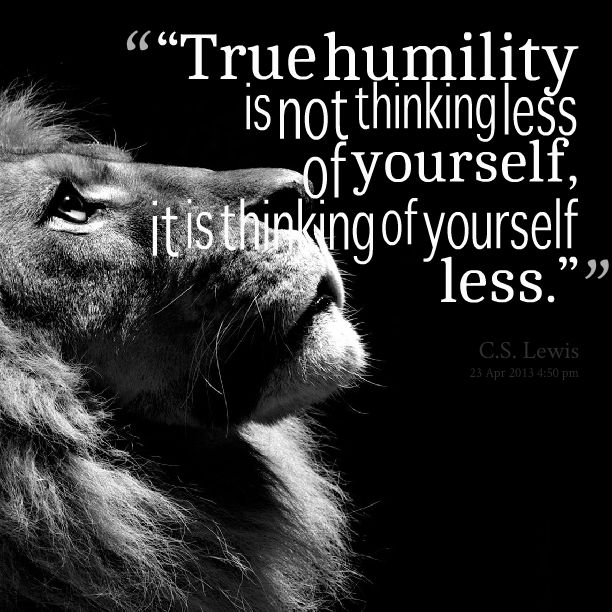
But here's what the world doesn't tell you: humility isn't a leadership liability. It's a leadership superpower.
The Biblical Foundation for "I Don't Know"
Scripture paints a picture of leadership that looks radically different from our culture's obsession with certainty and self-assurance.
Proverbs 3:5-7 gives us this profound instruction: "Trust in the Lord with all your heart and lean not on your own understanding; in all your ways submit to him, and he will make your paths straight. Do not be wise in your own eyes; fear the Lord and shun evil."
Notice what God isn't asking for here, He's not demanding that you have it all figured out. He's inviting you to acknowledge the limits of your understanding and lean into His wisdom instead.
James 4:6 reminds us that "God opposes the proud but shows favor to the humble." When we pretend to know everything, we're not just misleading our teams, we're positioning ourselves in opposition to the very source of wisdom we need most.
Jesus Himself modeled this perfectly. The Son of God, who knew all things, still asked questions. He listened. He invited others into conversation. He didn't lead by dominating every discussion with His superior knowledge, He led by drawing out the hearts and minds of those around Him.
What Changes When You Admit You Don't Know
Saying "I don't know" isn't about abandoning responsibility or lowering your standards. It's about replacing fear-driven thinking with curiosity and openness. Here's what shifts:
Better Decision-Making
When you resist the pressure to know everything, you stop leaping to conclusions without complete information. You stop guessing and hoping you're right. Instead, you create space to gather wisdom, ask better questions, and make decisions based on actual insight rather than ego protection.
One CEO shared how acknowledging uncertainty to her team transformed her leadership: "By releasing the belief that I had to have all the answers, I invited my team into a new level of collaboration and co-creation." The result? Better solutions than she could have produced alone.

Authentic Collaboration
People can smell fake confidence from a mile away. But when you're honest about what you don't know, you signal to your team that it's safe to be honest too. You create a culture where people bring their real questions, their genuine concerns, and their creative ideas, because they're not worried about appearing less-than-perfect.
A pastor once told me that the moment he started saying "I don't know" from the pulpit was the moment his congregation started trusting him more, not less. They didn't need a superhero who had everything figured out. They needed a fellow traveler who was honest about the journey.
Access to Collective Wisdom
When you ask intelligent questions instead of proclaiming answers, something beautiful happens, other people find solutions. Your team stops waiting for you to tell them what to do and starts bringing their expertise to the table.
One leader described this shift perfectly: "People didn't really need me telling them what to do. They needed me to ask them an intelligent question."
That's the difference between leadership that exhausts you and leadership that multiplies itself.
Innovation and Agility
Those who approach challenges with what researchers call a "rookie mindset", as if tackling them for the first time, consistently outperform others in both innovation and speed. This mindset isn't about ignorance; it's about curiosity. It's about asking better questions, listening more deeply, and mobilizing the expertise of those around you.
Practical Steps to Lead with Humble Uncertainty
So how do you actually practice this in your day-to-day leadership? Here are some concrete steps:
1. Replace "I know" with "I'm curious" When someone brings you a problem, resist the urge to immediately provide the solution. Instead, say, "That's a great question. I'm curious, what solutions have you already considered?" This shifts the conversation from you as the answer-giver to you as the guide.
2. Make "I don't know, but let's find out together" your default This simple phrase accomplishes three things: it's honest, it's collaborative, and it models the growth mindset you want your team to have.
3. Ask follow-up questions When you genuinely don't know something, lean into that space with curiosity. Ask: "What have others tried?" "What's worked before?" "Where could we look for wisdom on this?"
4. Celebrate when others admit uncertainty If you want a culture where people are honest about what they don't know, you have to reward that honesty. When someone on your team says "I don't know," respond with, "I appreciate your honesty. Let's figure it out together."

5. Remember who you're really serving You're not leading to protect your ego or maintain an image. You're leading to serve the people God has entrusted to your care. And those people need your humility more than they need your pretend certainty.
The Invitation
Leadership isn't about always being right. It's about being present, deeply curious, and authentic. And yes, that requires the courage to say, "I don't know."
But here's what I've learned: the moment you stop pretending to have all the answers is the moment you start accessing real wisdom: the kind that comes from God, from your team, and from a posture of genuine humility.
You are a priceless child of God, created in His image, called to lead with the heart of Christ. And Jesus didn't lead by pretending He had something to prove. He led by loving people well, asking questions, and trusting His Father.
You can do the same.
If you're ready to grow as a leader who leads with humility and the heart of Christ, I'd love to walk with you. Visit www.laynemcdonald.com to explore coaching, mentorship, books, and resources designed to help you become the leader God created you to be. Every visit to the site raises funds for families who have lost children through Google AdSense: at no cost to you. Your growth helps others heal.
You don't have to have all the answers. You just have to be willing to grow.
Wix Master Category: Connect Pastor

$50
Product Title
Product Details goes here with the simple product description and more information can be seen by clicking the see more button. Product Details goes here with the simple product description and more information can be seen by clicking the see more button

$50
Product Title
Product Details goes here with the simple product description and more information can be seen by clicking the see more button. Product Details goes here with the simple product description and more information can be seen by clicking the see more button.
$50
Product Title
Product Details goes here with the simple product description and more information can be seen by clicking the see more button. Product Details goes here with the simple product description and more information can be seen by clicking the see more button.
Comments