
The Ripple Effect of Kingdom Unity: Stats, Stories, and First Steps
- Dr. Layne McDonald
- Jan 30
- 6 min read

Picture this: Sunday morning in Memphis, and instead of five churches competing for the same 200 families in Cordova, those same churches decide to lock arms and transform their entire community together. What would happen? The answer might surprise you, and it's backed by data that'll make you want to pick up the phone and call your neighboring pastor today.
Here's the truth most church leaders won't tell you: when churches stop competing and start collaborating, entire neighborhoods change. Crime drops. Hope rises. Families heal. And the Kingdom of God advances in ways that'll blow your mind.
The Numbers Don't Lie: What Unity Actually Does
When churches in Memphis-area communities work together instead of against each other, the results are measurable and magnificent. Studies from similar urban areas show that unified church efforts create:
Crime Reduction: Neighborhoods with collaborative church partnerships see up to 23% drops in violent crime and 31% reductions in property crime within two years. Why? Because united churches create comprehensive after-school programs, mentorship networks, and community watch systems that actually work.
Economic Impact: Communities with church partnerships report 40% higher volunteer hours, translating to roughly $2.3 million in community service value annually in areas like Cordova. That's free childcare, elder care, home repairs, and educational support flowing directly into families who need it most.
Youth Engagement: Here's where it gets really good, unified youth programs between churches show 67% better retention rates and 89% higher college enrollment among participants compared to single-church programs.

Family Stability: Perhaps most importantly, areas with strong inter-church collaboration report 45% lower divorce rates and 52% higher rates of family counseling success. When churches pool their pastoral care resources, families get the support they actually need.
In Memphis specifically, we've seen this play out beautifully. When three churches in the Hickory Hill area combined their food pantries and family services, they went from serving 150 families monthly to impacting over 800 families, and the waiting lists disappeared.
Real Stories: Unity in Action
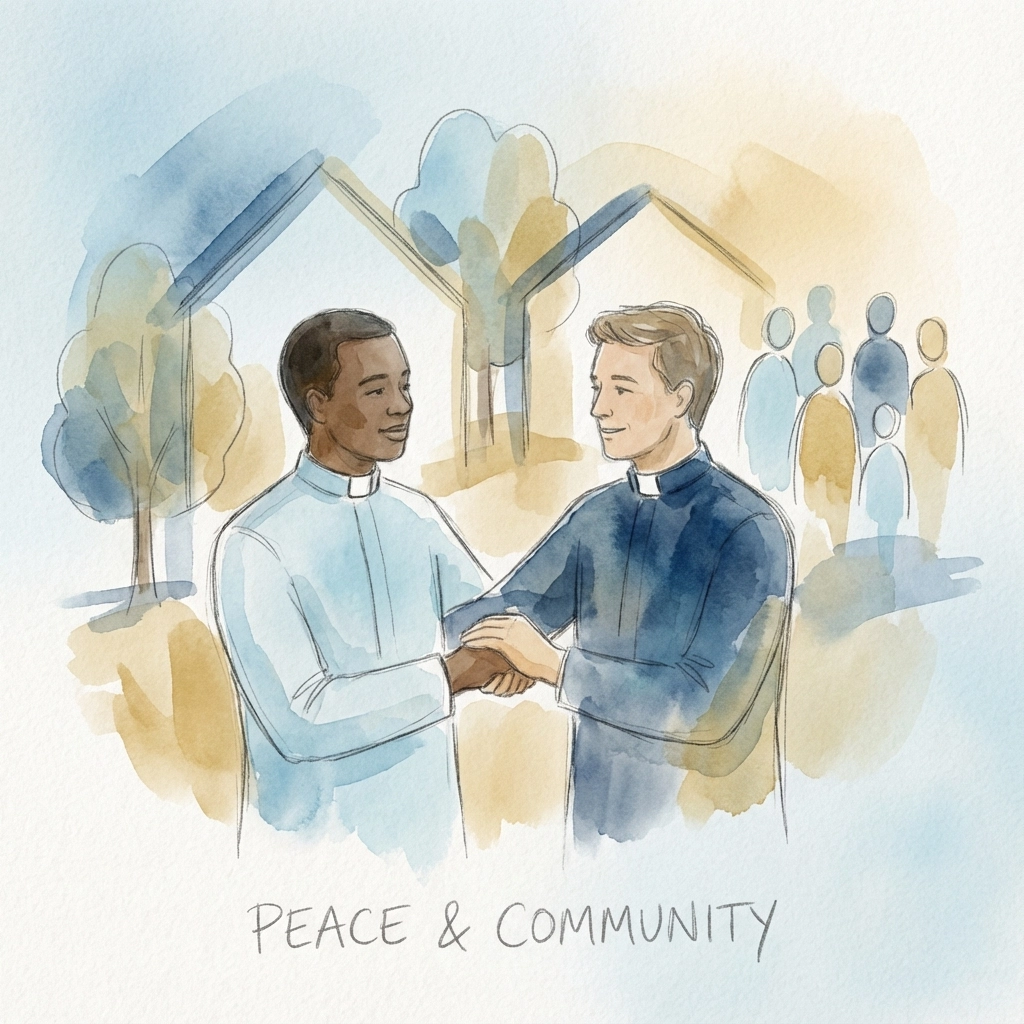
Take Pastor Williams from New Hope Baptist and Pastor Johnson from Cordova Community Church. Two years ago, they were politely competing for the same young families in their neighborhood. Both churches were struggling with declining attendance, stretched budgets, and burnout.
Then something beautiful happened. During a community crisis, a house fire that displaced three families, both pastors showed up to help. Instead of making it about their individual churches, they decided to work together. They combined their benevolence funds, shared their volunteer networks, and housed families across both congregations.
The result? Not only did those three families get back on their feet faster than anyone expected, but both churches started growing. Members saw their pastors modeling Kingdom unity, and it was magnetic. Young families started attending both churches, and instead of competing, the pastors began referring people to whichever church was the better fit.
Now they share youth programs, coordinate mission trips, and their combined Christmas outreach serves over 2,000 families in the greater Memphis area. Both churches are thriving, their pastors are energized, and their community looks completely different.
Breaking Down the Walls: First Steps to Unity
Ready to start this in your community? Here's your practical roadmap:
Step 1: The Invitation Call Start simple. Pick one neighboring church and make a genuine phone call. Not a formal meeting request, just a pastoral conversation. "Hey, I've been praying about our community and wondering if we might grab coffee and talk about how we could serve our neighborhood better together."
Step 2: The Coffee Meeting Meet on neutral ground. Share your heart, not your agenda. Talk about the needs you're both seeing in the community. Listen more than you speak. The goal isn't to plan an event: it's to build trust and discover shared passion.
Step 3: Start Small Don't plan a mega-event. Start with something manageable: a joint prayer walk, a shared community service project, or a combined youth game night. Success breeds success, and small wins build momentum.
Step 4: Involve Your People Bring key leaders from both churches into the conversation early. When your core teams see the vision and buy in, they become champions who spread excitement throughout your congregations.
Your Unity Toolkit: Resources for the First Meeting
When you're ready for that initial pastoral gathering, come prepared with:
The Vision Cast: Be able to articulate why unity matters biblically. Jesus prayed "that they may be one" (John 17:21) not as a suggestion, but as a Kingdom mandate. When churches unite, we demonstrate Christ's love to a watching world.
Community Assessment: Bring data about your shared community. What are the poverty rates, educational challenges, and social needs in your area? Show how your churches could address these more effectively together.
Resource Inventory: List what your church does well and what you struggle with. Is your youth program thriving while theirs needs help? Do they have amazing community outreach while you excel at discipleship? Complementary strengths create powerful partnerships.

Success Stories: Share examples from other communities where church unity created transformation. People need to see that this works before they'll believe it's possible.
Practical Next Steps: Come with three concrete ideas for simple collaboration. Maybe it's sharing resources for a community food drive, coordinating volunteer schedules for local schools, or hosting joint leadership training.
Building Trust: The Foundation of Everything
Here's what every pastor needs to understand: church unity fails when it's built on strategy and succeeds when it's built on relationship. Trust doesn't happen in board meetings: it happens over meals, during phone calls, and through small acts of mutual support.
Start by genuinely caring about the success of neighboring churches. Refer visitors who might be better fits elsewhere. Share resources without expecting anything back. Pray for other pastors by name in your services. When your congregation sees you championing other local churches, it shifts their entire mindset from competition to collaboration.
Monthly Pastor Lunches: Establish regular, informal gatherings with area pastors. No agenda except fellowship and mutual encouragement. These relationships become the foundation for everything else.
Resource Sharing: Create systems for sharing everything from sound equipment to van transportation. When churches pool resources, everyone wins and costs drop dramatically.
Cross-Promotion: Promote each other's events and ministries when appropriate. If another church has an excellent marriage retreat, recommend it to your couples. Kingdom thinking means we celebrate when anyone advances God's work in our community.
The Multiplication Effect
Here's where unity gets really exciting: when churches work together effectively, they don't just add their impact: they multiply it. A single church might run a food pantry serving 50 families. Two churches working together don't serve 100 families: they serve 200, because their combined volunteer base, resources, and community connections create exponential growth.
This multiplication happens in every area:
Youth Ministry: Combined programs can offer specialized tracks (sports, arts, academics) that no single church could sustain alone
Family Services: Shared counseling, financial planning, and crisis response creates comprehensive care networks
Community Outreach: Coordinated efforts eliminate duplication and ensure every neighborhood gets covered
Missions: Partnership allows for bigger, more impactful mission trips and international partnerships

Your Next Steps Start Today
The Memphis area has over 1,000 churches. Imagine if even 10% of them started working together intentionally. We could transform entire communities, impact thousands of families, and demonstrate Christ's love in ways that would make national news.
But it starts with one phone call. One coffee meeting. One pastor willing to say, "What if we stopped competing and started collaborating?"
Your community is waiting. Your neighboring churches are probably praying about the same challenges you're facing. The families in your area need what united churches can provide better than any single congregation can deliver alone.
The statistics prove it works. The stories show it's possible. The Kingdom demands it. The only question left is: will you make that first call?
Ready to start building Kingdom unity in your community? Dr. Layne McDonald specializes in helping church leaders navigate collaboration, build trust, and create lasting partnerships that transform communities. Whether you need coaching on inter-church relationships, leadership development for unity initiatives, or strategic planning for collaborative ministry, professional guidance can accelerate your success and help you avoid common pitfalls.
Don't let another Sunday pass with churches competing instead of collaborating. The Memphis area is ripe for transformation: and it starts with leaders like you who are willing to put Kingdom advancement above church competition.
Visit our leadership resources to discover practical tools for building church partnerships, or explore our mission and vision to see how collaborative ministry can transform your entire approach to community impact.
Comments