The Secret to Building Trust Before Asking for Commitment in Leadership
- Dr. Layne McDonald
- Feb 16
- 4 min read

Picture this: You've just cast an exciting vision to your team, your small group, or your congregation. You're ready for people to jump in with both feet. But instead of enthusiasm, you're met with hesitation, polite nodding, and a whole lot of "I'll think about it."
What happened?
Here's the thing, you might have skipped a critical step. You asked for commitment before you built trust. And in Christian leadership, that order matters more than you might think.
Why Trust Always Comes First
Think about the people who have shaped your faith journey. The mentor who invested in you. The pastor who remembered your name. The leader who checked in after a hard week.
What made them different? They earned your trust before they ever asked anything of you.
Jesus modeled this beautifully. Before He called His disciples to leave everything and follow Him, He first met them where they were. He walked with fishermen by the sea. He ate meals with tax collectors. He sat with the broken and the weary. He built relationships first.
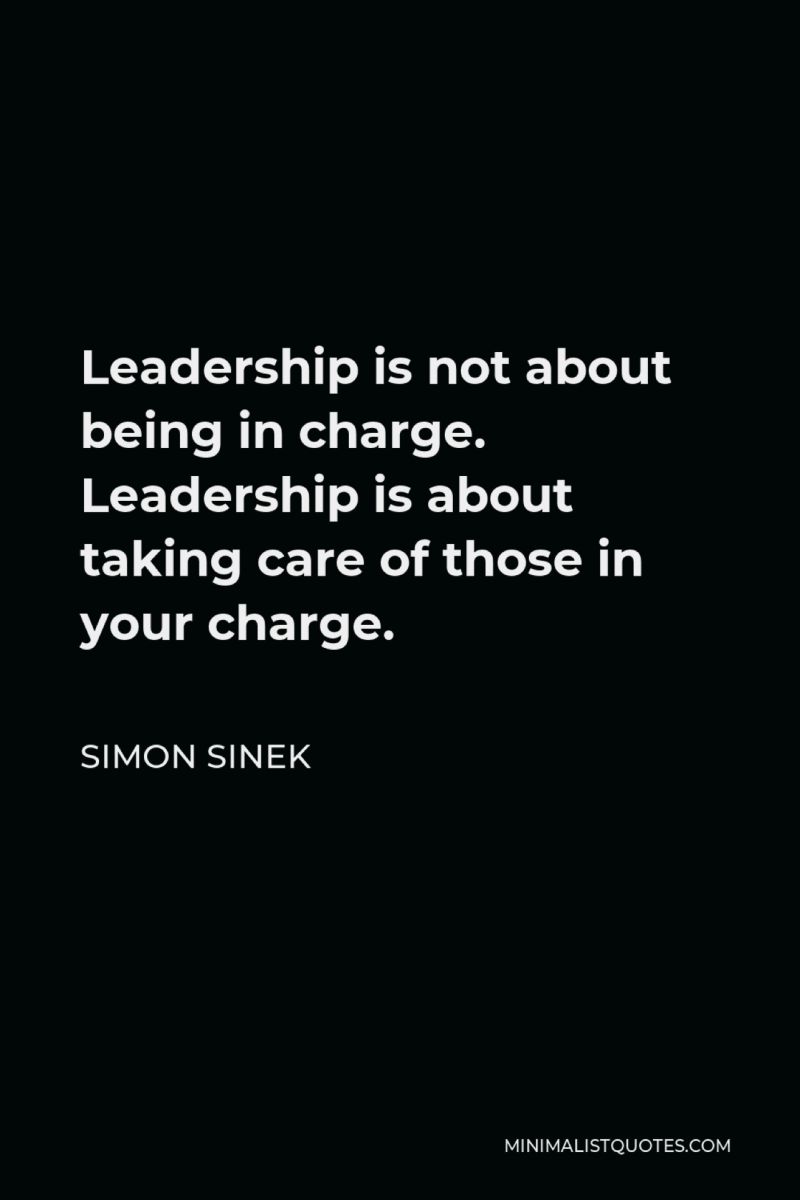
Faith-based leadership isn't about getting people to do things for you. It's about creating an environment where people feel known, valued, and safe enough to say yes.
The Real Cost of Skipping Trust
When leaders rush to commitment without building trust, several things happen:
People feel used. They sense they're a means to an end rather than a valued part of the community.
Burnout increases. Without genuine connection, service becomes obligation instead of overflow.
Turnover skyrockets. Volunteers and team members quietly slip away because they never felt truly seen.
Vision dies. Even the best ideas fail without a committed team to execute them.
You can have the clearest strategy and the most compelling vision in the world. But without trust, you're building on sand.
Four Pillars of Trust in Christian Leadership
Research consistently shows that trust is built on four key elements. I like to call them the ABCD of trust:
Able – People need to see that you're competent. You don't have to be perfect, but you do need to demonstrate that you know what you're doing and that you're committed to growing.
Believable – Integrity is everything. When your words match your actions, people notice. When they don't, people notice even faster.
Connected – This is where so many leaders miss it. People need to feel that you genuinely care about them: not just what they can contribute, but who they are.
Dependable – Follow through matters. When you say you'll do something, do it. Consistency over time builds the kind of trust that can weather storms.

Creating a Culture Where People Feel Known
So how do you actually build this kind of trust? It starts with intentionality. Here are some practical steps you can implement right away:
1. Learn Names and Stories
This sounds basic, but it's foundational. Make it a priority to learn the names of the people you lead. Go further: learn their stories. What do they do for work? What are they passionate about? What keeps them up at night?
When someone feels remembered, they feel valued. And when they feel valued, trust grows.
2. Show Up Consistently
Trust isn't built in a single moment. It's built through consistent presence over time. Show up for the small things. Be there when it's not convenient. Let people see that your commitment to them isn't conditional.
3. Be Vulnerable First
One of the most powerful trust-builders in Christian leadership is vulnerability. When you admit you don't have all the answers, when you share your own struggles, when you acknowledge your mistakes: you create space for others to be real too.
Vulnerability isn't weakness. It's courage. And it invites others into authentic relationship.
4. Ask Questions and Actually Listen
Most people can tell when you're listening to respond versus listening to understand. Put down your phone. Make eye contact. Ask follow-up questions. Let people finish their sentences.
When you listen well, you communicate that what someone has to say matters. That builds trust faster than almost anything else.
5. Give Honest Feedback with Grace
Trust doesn't mean avoiding hard conversations. In fact, people trust leaders who will tell them the truth: when it's delivered with love and respect.
Don't wait until frustration builds. Address concerns early, speak directly, and always affirm the person's value even when correcting behavior.

The Commitment Conversation Changes
Here's what's beautiful about building trust first: when you finally do ask for commitment, the conversation is completely different.
Instead of convincing, you're inviting.
Instead of persuading, you're partnering.
Instead of hoping people will show up, you're watching people step forward because they genuinely want to be part of what God is doing through your leadership.
This is the kind of faith-based leadership that transforms churches, ministries, businesses, and families. It's leadership that reflects the heart of Jesus: a leader who never manipulated or coerced, but who loved so deeply that people couldn't help but follow.
What This Looks Like in Practice
Let me give you a simple framework for your next leadership opportunity:
Week 1-2: Focus entirely on connection. Learn names. Have coffee conversations. Send encouraging texts. Don't ask for anything.
Week 3-4: Share your heart and vision casually. Talk about what excites you. Let people see your passion without any pressure to respond.
Week 5-6: Invite feedback. Ask questions like, "What do you think about this?" or "What would make this better?" Let people shape the vision with you.
Week 7+: Now you can invite commitment. And because you've built trust, you'll be amazed at the response.
This timeline isn't rigid: adjust it based on your context. The principle remains: relationship before request.

Your Next Step
If you've been struggling to get buy-in from your team, your volunteers, or your congregation, I want to encourage you: don't work harder at convincing. Work harder at connecting.
Trust is the foundation of everything in Christian leadership. When people feel known and valued, they don't just commit: they thrive.
You have what it takes to lead this way. And you don't have to figure it out alone.
Dr. Layne McDonald has spent years coaching pastors, ministry leaders, and Christian professionals in the art of faith-based leadership that transforms from the inside out. If you're ready to grow as a leader and build the kind of trust that lasts, check out our coaching programs, leadership workshops, and books designed to equip you for the calling God has placed on your life.
Your people are waiting for a leader who sees them. That leader is you.
Comments