
The Shame Cycle: "I Keep Falling" and the Lie That God Is Tired of You
- Dr. Layne McDonald
- Dec 30, 2025
- 5 min read

You know that moment when you've promised yourself, and God, that this time will be different. This time you won't lose your temper. This time you won't click that link. This time you won't gossip. This time you won't fall back into that old pattern that leaves you feeling hollow and ashamed.
But then it happens again. And the voice in your head whispers the cruelest lie of all: "God must be so tired of you by now."
If you've heard that voice, you're not alone. You're caught in what I call the shame cycle, and it's one of the enemy's most effective traps for keeping believers stuck, isolated, and spiritually paralyzed.
The Anatomy of the Shame Cycle
The shame cycle follows a predictable pattern: sin leads to shame, shame causes isolation, isolation creates emptiness, and emptiness makes you vulnerable to the same sin again. It's a vicious loop where shame, rather than healing the wound, actually fertilizes it.
Here's what happens: You mess up. Instead of running to God, shame tells you to hide. You isolate yourself from community, from accountability, from the very relationships that could help you heal. In that isolation, the emptiness grows unbearable. So you return to the very behavior you swore you'd never do again, not because it satisfies, but because it's familiar. And the cycle spins faster.
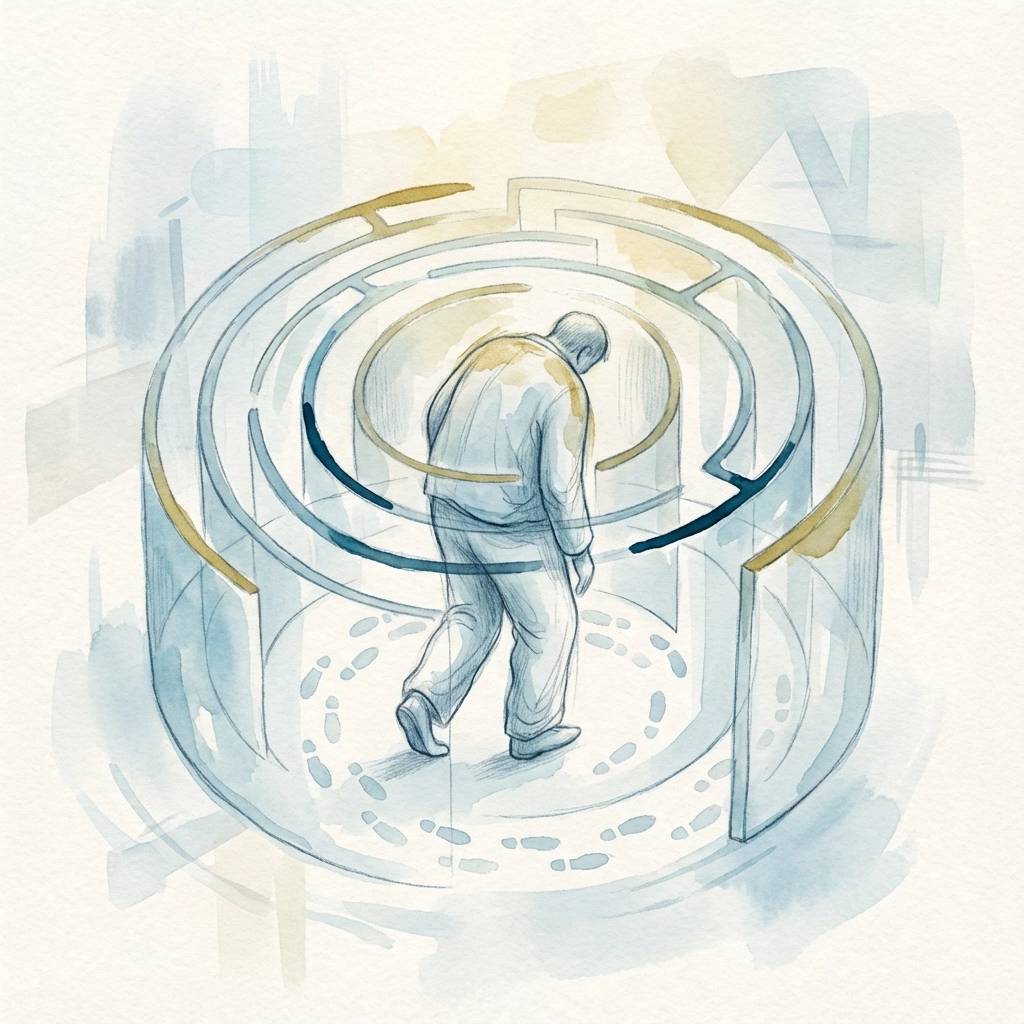
The devastating part isn't just the behavior, it's the lie that gets stronger with each rotation: "If God really loved you, this wouldn't keep happening. He must be exhausted by your failures. Maybe you're just not cut out for this Christian life."
That lie is poison. And it's exactly what the enemy wants you to believe.
The Difference Between Conviction and Condemnation
Before we can break free, we need to understand something crucial: there's a massive difference between conviction and condemnation.
Conviction comes from the Holy Spirit. It points to specific behavior and says, "This isn't who you are in Christ. Let's fix this together." Conviction leads you toward God, toward confession, toward community. It feels uncomfortable, but it's hopeful.
Condemnation comes from the enemy. It attacks your identity and says, "This is who you are. You'll never change. God is tired of you." Condemnation drives you away from God, toward isolation, toward despair. It feels crushing and hopeless.
Romans 8:1 settles this once and for all: "There is therefore now no condemnation for those who are in Christ Jesus." If the voice in your head is condemning you, it's not God's voice. God convicts to restore. The enemy condemns to destroy.
When King David wrote Psalm 51 after his devastating failure with Bathsheba, he didn't hide from God, he ran to Him. "Create in me a clean heart, O God, and renew a right spirit within me." David understood that conviction leads to cleansing, not condemnation.
Why Secrecy Strengthens Bondage
One of shame's most effective tactics is convincing you to keep your struggle secret. "Don't tell anyone," shame whispers. "They'll think less of you. They'll judge you. You can handle this on your own."
But here's the truth: secrecy is bondage's best friend. When you hide your struggle, you're trying to fight a spiritual battle with earthly weapons, willpower, self-discipline, positive thinking. Those aren't enough. Some battles require the body of Christ.
James 5:16 gives us the antidote: "Therefore, confess your sins to one another and pray for one another, that you may be healed." Notice it says healed, not just forgiven. Confession to safe, mature believers isn't just about getting right with God, it's about breaking the power of secrecy that keeps you trapped.

This doesn't mean broadcasting your struggles to everyone. It means finding trustworthy, spiritually mature people who can pray with you, walk with you, and remind you of who you are when shame is screaming lies about who you're not.
Tools for Real Change
Breaking the shame cycle requires more than good intentions. It requires practical tools and spiritual practices that create lasting transformation:
1. Immediate Response Strategy
When you fall, your first 30 minutes determine whether you'll spiral into shame or step into grace. Instead of hiding, immediately pray this: "God, I messed up again, but I know you're not surprised or tired of me. I receive your forgiveness and ask for your help." Then reach out to your accountability partner or care team within 24 hours.
2. Community as Medicine
Isolation is shame's breeding ground. Intentionally surround yourself with people who know your struggle and love you anyway. This might be a small group, an accountability partner, or a trusted mentor. The goal isn't to have people monitor your behavior, it's to have people remind you of your identity when shame tries to redefine you.
3. Scripture Replacement Therapy
Shame works by repeating lies until they feel true. Combat this by memorizing and declaring Scripture that speaks your true identity. When shame says "God is tired of you," declare 1 John 1:9: "If we confess our sins, he is faithful and just to forgive us our sins and to cleanse us from all unrighteousness."
4. Professional Help When Needed
Sometimes shame runs deeper than spiritual practices can reach alone. If you're dealing with trauma, addiction, or deep-rooted patterns, seeking professional Christian counseling isn't a sign of weak faith, it's wisdom. God often works through trained therapists, counselors, and doctors.
5. The Grace Reset Ritual
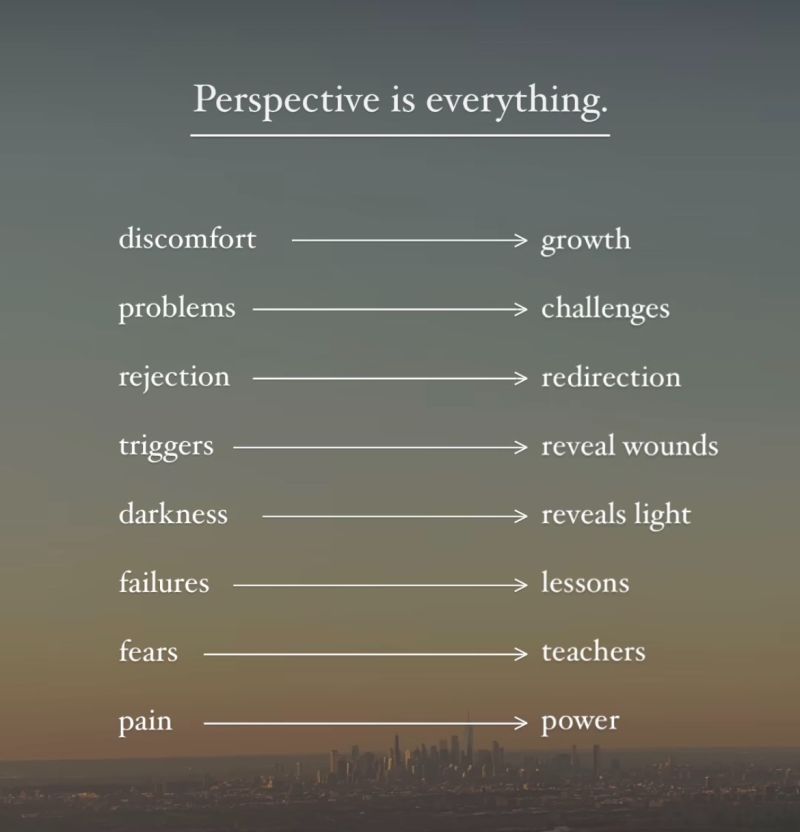
Create a daily practice where you remind yourself of God's unconditional love. This might be reading specific verses, praying a written prayer, or looking at yourself in the mirror and declaring, "I am loved by God regardless of my performance today."
Repentance as Return, Not Punishment
The enemy has twisted our understanding of repentance. He wants us to think repentance means groveling, self-punishment, or proving our sincerity through shame. But biblical repentance simply means "to turn around", to change direction and come home.
When the prodigal son returned to his father, he prepared a speech about being unworthy. But the father interrupted him with a robe, a ring, and a party. The son was thinking like a servant; the father was thinking like... well, like a father.
That's how God thinks about you. Yes, He cares about your behavior because He knows it affects your flourishing. But His love for you isn't performance-based. You don't have to earn your way back into His good graces: you were never out of them.
Your Next Step Pathway
If you're ready to break the shame cycle, here's a clear pathway forward:
Step 1: Confession - Tell God specifically what you've done wrong, but also confess the lies you've believed about His love for you.
Step 2: Care Team - Identify 1-2 spiritually mature people you can be honest with about your struggle.
Step 3: Accountability Partner - Find someone who will check in with you regularly, not to judge but to remind you of truth.
Step 4: Professional Help - If needed, seek Christian counseling or therapy to address deeper root issues.
Step 5: Community Engagement - Stay connected to your local church and small group, even when (especially when) you feel unworthy.
Remember: growth is a path, not a switch. You're not trying to achieve perfection overnight: you're learning to walk in freedom one step at a time.
The shame cycle can be broken. The lie that God is tired of you can be silenced. You don't have to live in the endless loop of fall, hide, repeat.
God is not tired of you. He's cheering for you. And He's prepared everything you need to walk in the freedom He died to give you.
If you need support breaking free from shame and stepping into the abundant life God has for you, visit laynemcdonald.com for resources, coaching, and community that can help you on this journey.
Comments