The Simple Trick to Stay Informed at Noon (Without the Drama, Division, or Doom)
- Dr. Layne McDonald
- Feb 11
- 5 min read

You know the feeling. You pick up your phone to check one headline, and thirty minutes later you're three articles deep into a spiral of anxiety, outrage, or plain exhaustion. The news doesn't just inform anymore: it overwhelms. It divides. It drains.
But here's the thing: staying informed doesn't have to feel like drinking from a fire hose. You don't need to choose between being a responsible, aware citizen and protecting your peace. There's a better way, and it's simpler than you think.
The One Change That Makes All the Difference
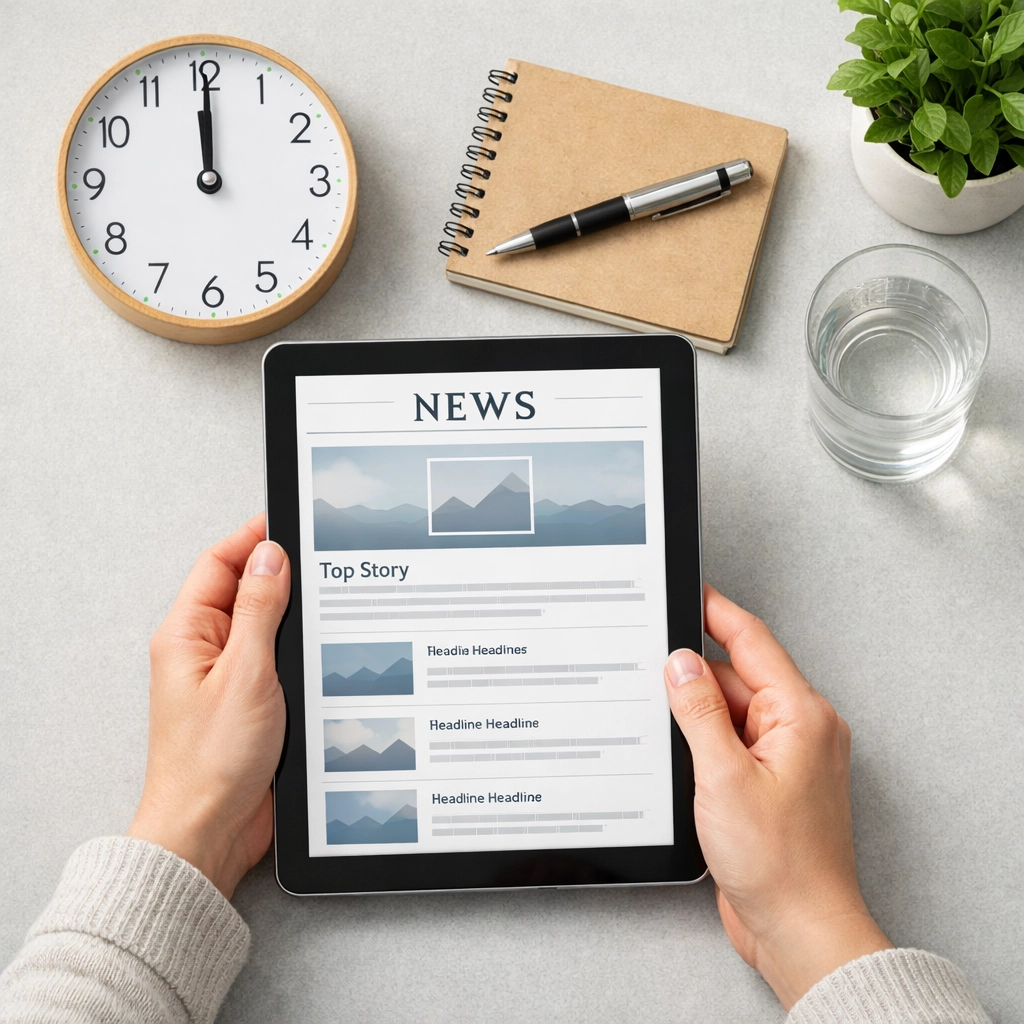
Here's the trick: pick one time each day: ideally at noon: and consume your news in a focused, intentional window.
That's it. No constant notifications. No mindless scrolling between meetings. No waking up to doom or going to bed with dread. Just one specific slot where you sit down, catch up on what matters, and then move on with your day.
Why does this work? Because it breaks the cycle of reactive consumption. Instead of letting the news control your attention all day long, you take back control. You decide when to engage. You decide how long. And you decide what sources deserve your trust.
How to Build Your Midday News Routine
The beauty of the noon news slot is that it fits naturally into most people's schedules. Lunch breaks, midday pauses, or the transition between morning and afternoon tasks all provide a natural stopping point. Here's how to make it work:
1. Choose Your Format
Not all news delivery is created equal. If you want to stay informed without the drama, skip the 24/7 cable networks and social media feeds. Instead, opt for curated formats that prioritize clarity over clicks:
News podcasts: Shows like NPR's Up First (10 minutes), The Daily (25 minutes), or ABC News' Start Here (20-30 minutes) condense the biggest stories into digestible episodes you can listen to over lunch.
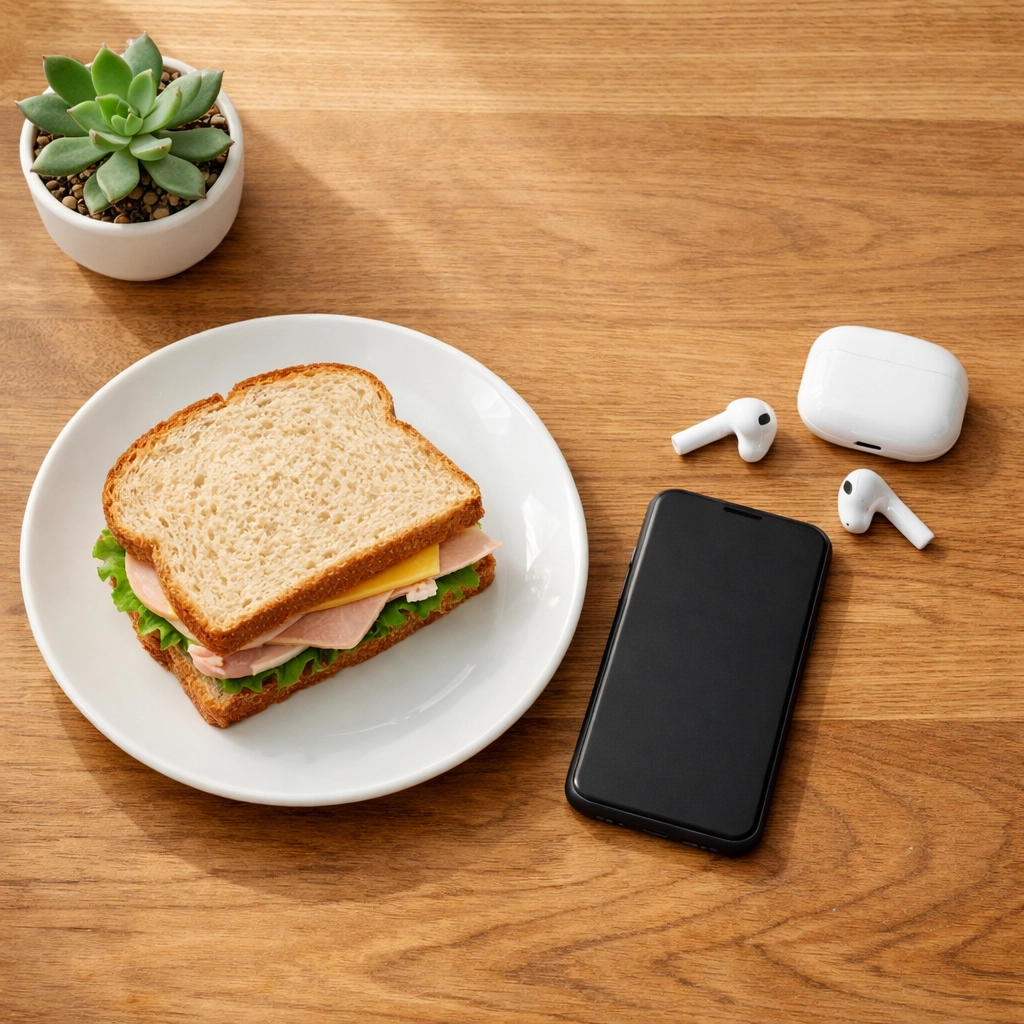
Email newsletters: Services like The Skimm, The Morning from The New York Times, or WBUR Today deliver the day's key stories in a scannable format: perfect for a quick read with your sandwich.
Curated roundups: Many reputable outlets offer midday summaries that cut through the noise and focus on verified, important information.
The common thread? These formats are designed to inform, not inflame. They give you the facts without the theatrical outrage or partisan spin that dominates so much of modern media.
2. Set Clear Boundaries
The midday trick only works if you actually stick to it. That means setting up some guardrails:
Turn off push notifications: Every breaking news alert is an invitation to abandon your focus and dive back into the news cycle. Disable them. The world will not end if you find out about a story at noon instead of 9:47 AM.
Use a timer: Give yourself 15-30 minutes max. When the timer goes off, you're done. Close the app. Put down the phone. Return to your day.
Limit your sources: Pick two or three reputable outlets and stick with them. Constantly switching between sources doesn't make you better informed: it just exposes you to more sensationalism and conflicting narratives that fuel anxiety.
3. Consume, Don't Engage
Here's where people get tripped up: they read the news, then immediately jump into the comments section or start debating on social media. That's not staying informed: that's inviting division into your afternoon.
During your midday news window, just consume. Read or listen. Take in the information. Then step away. If you need to process what you learned, do it in a journal, in prayer, or in a real conversation with someone you trust: not in a Twitter thread with strangers.
Why This Matters More Than You Think
We live in an age of information abundance and attention scarcity. The 24/7 news cycle isn't designed to educate: it's designed to capture and keep your eyeballs. That business model thrives on outrage, fear, and divisiveness because those emotions keep you clicking.
But as people trying to live with wisdom, peace, and purpose, we have to ask: Is this serving us? Is constant exposure to breaking news, hot takes, and cultural conflict making us better neighbors, better citizens, better humans?
Scripture reminds us to "be quick to listen, slow to speak, and slow to become angry" (James 1:19). That's hard to do when your phone is buzzing every hour with another thing to be outraged about. The midday news approach creates space for that kind of measured, thoughtful engagement with the world.

It also protects something precious: your mental and emotional bandwidth. When you're constantly consuming news, you're in a perpetual state of low-level stress. Your body doesn't distinguish between a genuine threat and a scary headline: it responds with the same fight-or-flight chemicals. Over time, that takes a toll.
By limiting your news intake to one focused window, you give your nervous system a break. You create margin for the things that actually matter: meaningful work, real relationships, presence with your family, time in prayer or reflection.
The Peace of Being Informed (Not Overwhelmed)
Here's what changes when you adopt the midday news habit:
You stay informed without staying anxious. You know what's happening in the world, but you're not paralyzed by it. You're aware, not consumed.
You can engage thoughtfully instead of reactively. When someone brings up a current event, you have context: but you're not carrying the emotional baggage of having argued about it online all morning.
You reclaim hours of your day. Most people don't realize how much time they lose to fragmented news consumption. Five minutes here, ten minutes there: it adds up. When you batch your news intake, those hours come back.
You model a healthier relationship with information. If you have kids, coworkers, or friends watching how you navigate the news cycle, this is a gift. You're showing them that it's possible to be aware without being overwhelmed.
A Word for the Skeptics
Some people worry that limiting news consumption means being uninformed or disconnected. But ask yourself: how many of those push notifications actually changed what you needed to know or do today? How many of those breaking news alerts were genuinely breaking: versus just the latest update in an ongoing story you'll hear about anyway?
True awareness doesn't require constant vigilance. It requires intentionality. The most informed people aren't the ones glued to news apps: they're the ones who consume quality information regularly and thoughtfully.
Others fear they'll miss something important. But here's the reality: truly important news finds you. Major events don't stay hidden. If something significant happens, you'll hear about it by noon. And if you somehow miss it at noon, you'll catch it the next day. Very few news stories require immediate action from you personally.
Your Next Step
If you've felt the weight of the 24/7 news cycle, if you're tired of the drama and division, if you want to stay informed without sacrificing your peace: try the midday trick for one week.
Pick your time. Choose your format. Set your boundaries. Give yourself permission to disconnect from the noise and engage with intention.
You might be surprised how much clearer you think, how much calmer you feel, and how little you actually miss.
Because staying informed isn't about consuming everything: it's about consuming wisely.
Follow for more Christ-centered clarity on today's biggest questions at LayneMcDonald.com.

$50
Product Title
Product Details goes here with the simple product description and more information can be seen by clicking the see more button. Product Details goes here with the simple product description and more information can be seen by clicking the see more button

$50
Product Title
Product Details goes here with the simple product description and more information can be seen by clicking the see more button. Product Details goes here with the simple product description and more information can be seen by clicking the see more button.
$50
Product Title
Product Details goes here with the simple product description and more information can be seen by clicking the see more button. Product Details goes here with the simple product description and more information can be seen by clicking the see more button.
Comments