
The Unspoken Grief: Miscarriage, Infertility, and the Pain We Don't Know How to Hold
- Dr. Layne McDonald
- Dec 30, 2025
- 5 min read

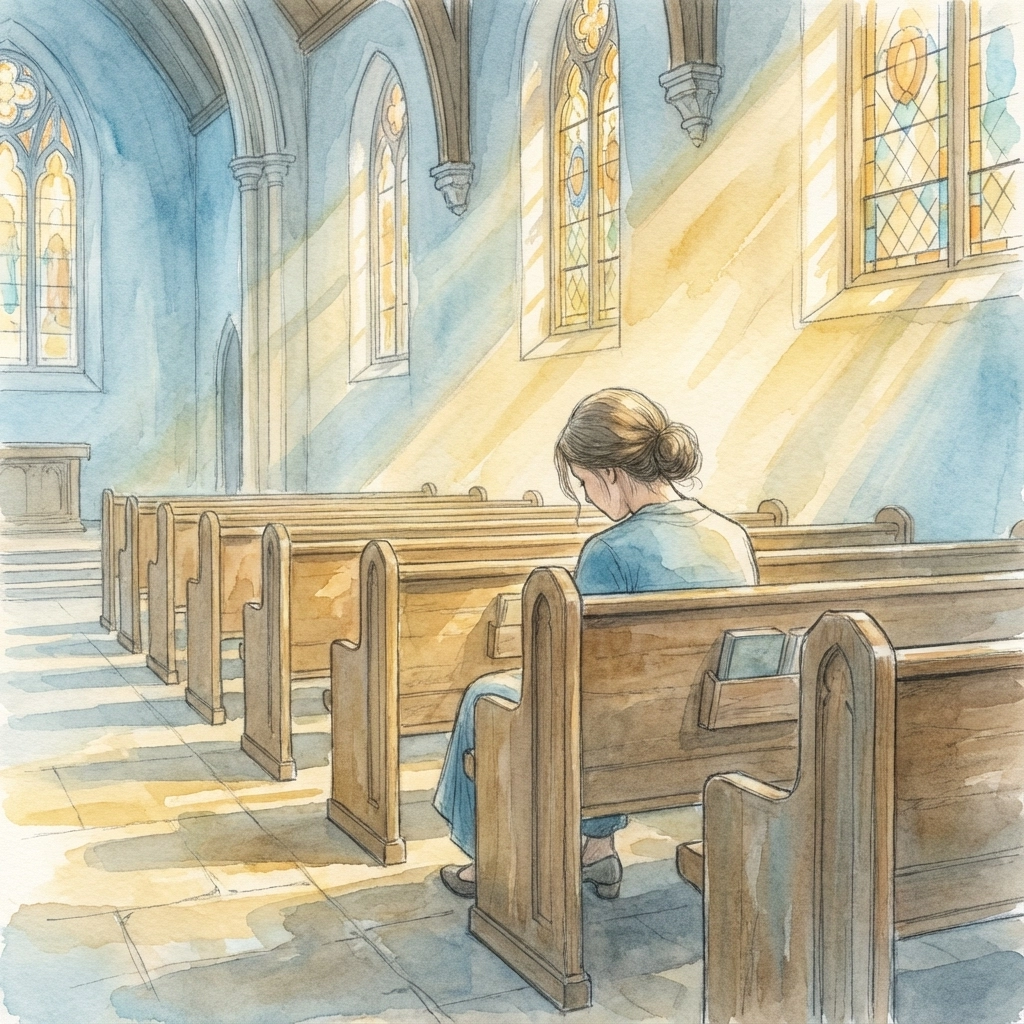
Sunday morning arrives with its usual rhythm of announcements, and there it is again: another baby dedication, another pregnancy announcement, another celebration of new life. The congregation applauds, smiles spread across faces, and somewhere in the back pews, someone's heart breaks a little more.
This is the reality many churches don't see: people bleeding quietly in sanctuaries that feel more like salt in their wounds than safe harbors for their pain.
The Silent Suffering Among Us
Every week, people walk through our church doors carrying losses we can't see. The couple who's been trying for three years. The woman who lost her baby at twenty weeks. The family whose arms feel empty after their fourth miscarriage. The single woman watching her biological clock tick while longing for a family that feels impossibly out of reach.
These aren't rare stories. Research shows that miscarriage affects up to 20% of known pregnancies, and infertility touches approximately 10-15% of couples. The grief following these losses can persist for months or even years, yet it often remains invisible in our church communities.
Why? Because we've inadvertently created environments where this type of grief feels unwelcome or inappropriate. We celebrate pregnancies and babies: which is beautiful and right: but we often fail to create equal space for those whose stories include empty nurseries and shattered dreams.
When Good Intentions Cause More Harm
The church's response to pregnancy loss and infertility often comes from a place of love, but good intentions don't always translate to good ministry. Some of the most painful moments for grieving families happen when well-meaning Christians try to offer comfort but end up inflicting additional wounds.
Here are phrases that need to be retired from our vocabulary:
"God needed another angel." This isn't biblical theology: it's hallmark card sentiment that minimizes real loss.
"At least you know you can get pregnant." This reduces a person's grief to their reproductive potential.
"Maybe God is protecting you from something worse." This suggests that loss is actually a blessing in disguise.
"You can always try again." Children aren't replaceable, and neither is grief.
"God has a plan." While true, this phrase often shuts down conversation when someone needs to process their pain.
"Have you tried...?" Unless you're a medical professional, offering unsolicited fertility advice adds pressure to an already heavy burden.
The common thread in all these responses? They rush people past their grief instead of walking with them through it.
Lament: The Forgotten Language of Faith
Here's what we've lost in many modern churches: the biblical understanding that lament is worship, not weakness. The Psalms are filled with raw cries to God: David's honest wrestling with disappointment, confusion, and pain. Yet somehow we've created church cultures where expressing anything other than victory and blessing feels unspiritual.
"The Lord is close to the brokenhearted and saves those who are crushed in spirit" (Psalm 34:18). Notice it doesn't say God is close to those who've moved past their brokenness: it says He's close to the brokenhearted. Present tense. Right in the middle of the pain.
When someone shares their struggle with infertility or loss, they're not demonstrating weak faith. They're following the biblical pattern of bringing their whole selves: including their pain: before God.

"Rejoice with those who rejoice; mourn with those who mourn" (Romans 12:15). This verse gives us permission to sit in sadness with people instead of trying to fix or rush them toward happiness. Mourning is a ministry, not a problem to solve.
Creating Safe Rooms for Grief
Jesus himself shows us how to respond to devastating loss. When He arrived after Lazarus died, He didn't immediately launch into theology or rush to the resurrection. The shortest verse in the Bible tells us everything we need to know about His response: "Jesus wept" (John 11:35).
He wept: even though He knew He would raise Lazarus from the dead. He entered into the grief of those He loved. He made space for their pain.
Our churches need to become safe rooms for grief, places where people can bring their losses without fear of judgment, unsolicited advice, or spiritual pressure to "get over it" quickly.
This means:
Acknowledging losses publicly when families want that. Some churches hold memorial services for babies lost to miscarriage, creating space for families to grieve together.
Training leaders and volunteers to respond with presence rather than answers. Sometimes the most powerful ministry is simply saying, "I'm so sorry for your loss" and meaning it.
Offering practical support that doesn't require explanation or justification. Meal trains, childcare for surviving children, housecleaning services: these acts of love speak louder than words.
Creating ongoing support groups where people can process grief with others who understand their experience firsthand.
Practical Steps for Churches
If you're ready to create a culture where unspoken grief can be spoken and held with honor, here are tangible first steps:
Start a confidential care circle. Recruit and train a small team of mature, gentle people who won't try to fix everything. Their job isn't to provide answers: it's to provide presence, prayer, and practical support.
Establish a support rhythm. When someone experiences loss, have a system in place: immediate meals for the first week, check-ins at one month and three months, remembrance acknowledgments on due dates or anniversaries.
Train your children's ministry workers. They need to know how to respond when families are absent due to pregnancy complications or when questions arise about family structures that don't match the "ideal."
Diversify your language. Instead of only praying for "expectant mothers," pray for "families hoping to welcome children." Instead of only celebrating babies, occasionally acknowledge that not everyone present is in a celebrating season.
Create memorial spaces. Some churches have gardens or special areas where families can remember babies they've lost or dreams they're grieving.

Offer resources. Partner with local counselors who understand pregnancy loss and infertility. Keep books available that address these specific types of grief. Know about support organizations in your community.
The Ministry of Presence
The most powerful thing churches can offer grieving families isn't answers: it's presence. We don't need to explain suffering or rush people toward healing. We need to sit with them in their sadness and remind them that their grief matters because they matter.
This is incarnational ministry at its finest: entering into someone's pain not to fix it, but to ensure they don't bear it alone.
When we create space for lament alongside celebration, we become more like Jesus, who knew how to weep with those who wept and rejoice with those who rejoiced. We become churches where people can bring their whole selves, including the broken pieces, and find the love of Christ in the midst of their deepest pain.
Ready to transform how your church responds to loss and grief? At Layne McDonald Ministries, we offer coaching and training for church leaders who want to create cultures of comprehensive care. Our resources include practical frameworks for pastoral care, volunteer training materials, and guided conversations for building healthier church communities. Connect with our team to explore how we can support your ministry in becoming a safe harbor for every type of human experience: including grief. Because when we hold space for pain, we create room for healing.
Comments