
Trust Over Transaction: The Secret to Healthy Leadership
- Dr. Layne McDonald
- Feb 1
- 5 min read


Every leader faces a pivotal question at some point in their journey: Are you building relationships, or are you managing exchanges?
The difference might seem subtle on the surface. Both approaches can produce results. Both can fill seats, move projects forward, and keep organizations running. But one approach builds something that lasts. The other creates a house of cards that collapses the moment the wind shifts.
Over my years in ministry and leadership coaching, I've watched countless leaders struggle with this tension. They want genuine connection with their teams and congregations. They want to inspire real transformation. Yet they default to transactional patterns because those patterns feel safe, measurable, and controllable.
Here's what I've learned: Trust must always precede the ask. When we flip that order: when we ask before we've earned trust: we may get compliance, but we'll never get commitment.
The Transactional Trap
Transactional leadership operates on a simple principle: I give you something, you give me something in return. Set expectations, offer rewards, measure outcomes. It's clean. It's efficient. And it's fundamentally limited.
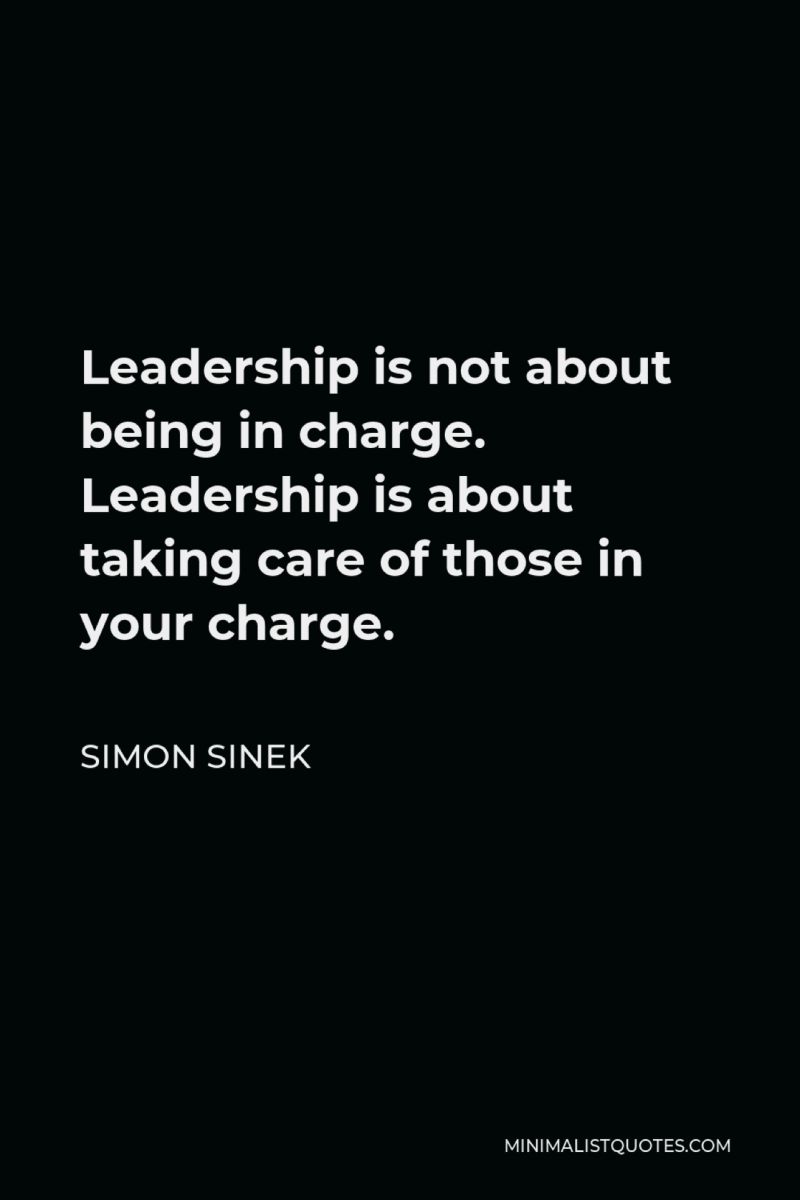
When people relate to leadership through a transactional lens, they naturally ask one question: "What do I get if I comply?" That question reveals the shallow foundation beneath the relationship. People calculate their involvement based on personal benefit rather than shared purpose. They withhold discretionary effort, creativity, and genuine investment in the mission.
This shows up in churches when attendance becomes about what services are offered rather than what community is formed. It appears in organizations when employees clock in their minimum hours and clock out their hearts. It manifests in families when love feels conditional on performance.
The transactional approach produces something else that undermines healthy leadership: defensive posturing. When trust is absent, people protect their self-interests first. They negotiate defensively. They trade off possibilities to maintain their position rather than embracing genuine transformation together.
I've seen church boards stuck in this pattern. Everyone guards their territory. Every decision becomes a negotiation rather than a collaboration. Progress happens in tiny increments, if at all, because no one is willing to take risks for the collective good.
Scripture offers a different model entirely.
The Way of Jesus: Relationship Before Request
Consider how Jesus built His team of disciples. He didn't start with expectations and reward structures. He didn't post job descriptions or conduct performance reviews.
He started with presence.
He walked with them. Ate with them. Asked about their lives and their struggles. He invested in who they were before He ever asked them to change the world.
When Jesus finally called His disciples to greater commitment: to leave their nets, to pick up their crosses, to go and make disciples of all nations: they responded not because of what they would receive, but because of who they had come to know.
Trust had been established. Relationship had been formed. The invitation to commitment flowed naturally from the foundation that had already been laid.
This pattern appears throughout Scripture. Moses spent forty years in the wilderness before God called him to lead Israel out of Egypt. David tended sheep in obscurity before he was anointed king. Paul spent years in preparation before his missionary journeys began.
God doesn't rush the trust-building process. Neither should we.
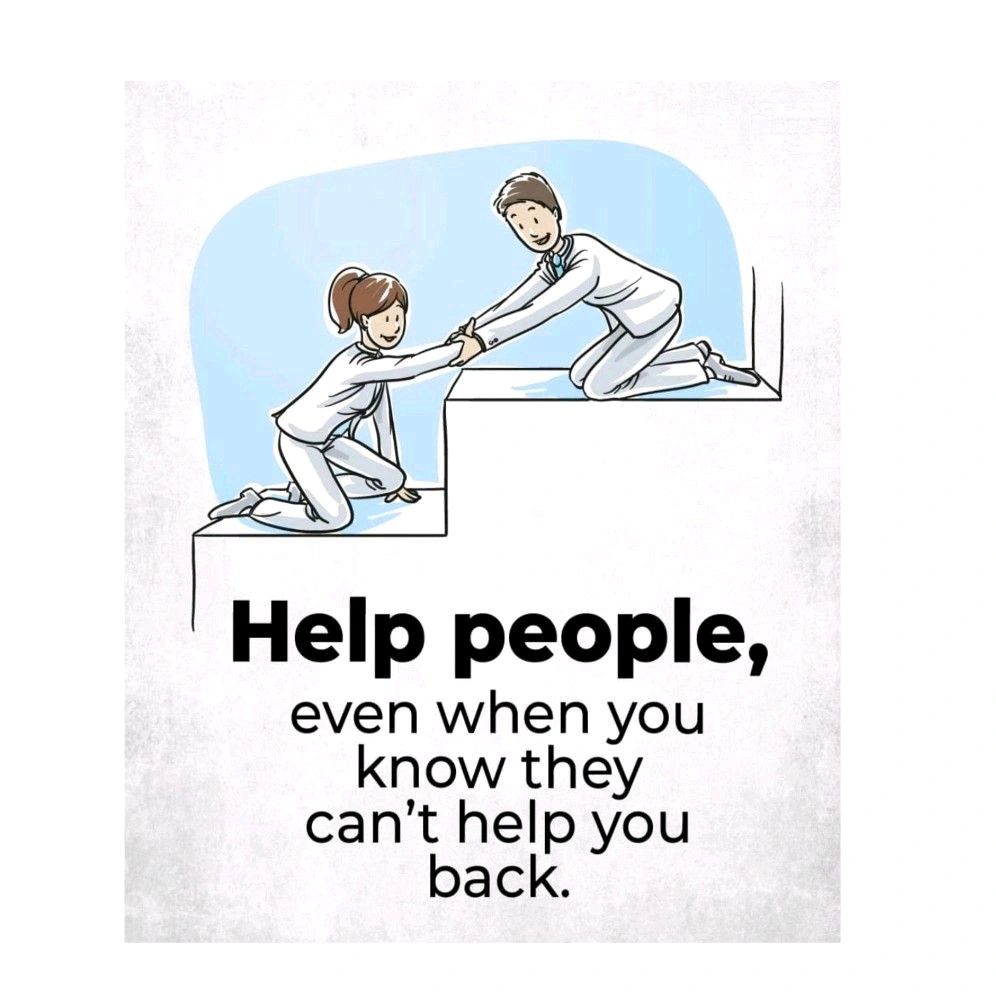
What Trust-First Leadership Looks Like
So what does it mean practically to build trust before asking for commitment? Here are the principles I've seen transform leaders and organizations:
Show up consistently before you need anything. The leader who only appears when they want something teaches people that relationship is merely a means to an end. The leader who shows up regularly, without agenda, demonstrates that people matter beyond their utility.
Listen more than you speak. Trust grows when people feel genuinely heard. Not managed. Not handled. Heard. This means asking real questions and actually caring about the answers.
Be transparent about your own journey. Vulnerability builds trust faster than competence. When leaders admit their struggles, their doubts, their growth edges, they create space for others to be human too.
Keep small promises before making big asks. Trust is built in small increments. Every kept commitment: showing up on time, following through on minor details, remembering what matters to people: deposits credibility that you'll draw on later.
Give before you request. Generosity precedes influence. Invest in people's development, celebrate their wins, support them in difficulty. When you've given freely, the invitation to commitment doesn't feel like extraction.
The Shift from Transaction to Transformation
When trust becomes a genuine cultural value rather than workplace currency, something powerful happens. Relationships shift from calculated exchanges to authentic collaboration. The question changes from "What will I get?" to "What can I contribute?"
This is where transformation lives.
In trust-based environments, people become open to shared purpose beyond immediate personal benefit. They stop protecting their position and start investing in collective success. Innovation flourishes because failure doesn't mean rejection. Commitment deepens because it's rooted in relationship rather than reward.

I've watched churches transform when leaders embraced this shift. Attendance becomes less important than engagement. Programs matter less than people. The focus moves from filling roles to developing disciples.
The same principle applies in business, in families, in every arena where leadership happens. People don't commit to systems. They commit to people they trust. They don't sacrifice for organizations. They sacrifice for relationships that have earned their loyalty.
Building Your Trust Foundation
If you're recognizing transactional patterns in your own leadership, take heart. Awareness is the first step toward change.
Start with an honest assessment:
Do people come to you freely, or only when required?
When was the last time you invested in someone without expecting anything in return?
Do your team members know you as a person, or only as a position?
How do you respond when people fail or disappoint you?
Then commit to the slow, faithful work of trust-building. It won't produce immediate metrics. The ROI won't show up on this quarter's report. But what you're building will outlast any short-term gains that transactional leadership produces.
Remember what the Apostle Paul wrote to the Thessalonians: "We loved you so much that we were delighted to share with you not only the gospel of God but our lives as well" (1 Thessalonians 2:8). Paul understood that the message and the messenger are inseparable. Trust in one enables reception of the other.
Moving Forward
Healthy leadership isn't complicated, but it does require patience and intentionality. It asks us to slow down when culture tells us to speed up. It invites us to invest when others are extracting. It calls us to be present when efficiency suggests we move on.
The secret to healthy leadership isn't a technique or a strategy. It's a commitment to the ancient, counter-cultural practice of building trust before asking for commitment.
Your team is watching. Your family is watching. Your congregation is watching. They're learning from what you do, not what you say.
Build trust. The commitment will follow.
Dr. Layne McDonald is a pastor, leadership coach, and published author dedicated to helping leaders grow in faith and effectiveness. For more resources on Christian leadership and personal development, visit www.laynemcdonald.com.
Comments