
Turning Friction into Connection: The Art of the 'Locked Door' Moment
- Dr. Layne McDonald
- Feb 23
- 5 min read

Updated: May 5
Every Sunday morning, somewhere in your church building, someone is standing in front of a locked door.
Maybe it's the side entrance that's always bolted until 9:15. Maybe it's the bathroom that's "out of order" but nobody put up a sign. Maybe it's the children's ministry check-in that closed five minutes early. Whatever the case, there's a guest on the other side of that door, and they're making a decision about your church right now.
As a greeter, you might think your job is to stand at the main entrance, smile, hand out bulletins, and point people toward the coffee. But here's the truth: your most important moments don't happen at the welcome station. They happen in the hallways, the parking lot, and yes, right in front of that locked door.
These are what I call "locked door moments." And if you learn to master them, you'll become one of the most valuable people in your entire church.
What Exactly Is a "Locked Door" Moment?
A locked door moment is any point of friction where a guest (or even a longtime member) hits an unexpected obstacle. It's the moment when their experience stops flowing and frustration has a chance to creep in.

Here are some common examples:
A family arrives late and every entrance they try is locked
A first-time visitor can't find the restroom
Someone with mobility challenges discovers the elevator is broken
A parent realizes they missed the children's check-in window
A guest walks into the wrong service or wrong building entirely
These moments feel small to us because we know the layout, the schedule, and the "insider" information. But to someone new? That locked door isn't just an inconvenience, it's a question: Do I belong here?
And friend, how you answer that question in the next 30 seconds can shape someone's entire relationship with your church.
Why Friction Is Actually an Opportunity
Here's where most greeter training gets it wrong. We spend all our energy trying to eliminate friction, better signage, more volunteers, earlier door unlocks. And yes, those things matter.
But friction will always exist. Systems break. People make mistakes. Circumstances change.
The real skill isn't preventing every problem. It's knowing how to transform friction into genuine human connection when problems inevitably happen.
Think about it: when everything goes smoothly, guests barely notice you. They flow in, find their seats, and the service begins. You did your job, but you didn't make an impression.
But when something goes wrong, and you show up with warmth, competence, and care, that's when you become unforgettable. That's when you become the answer to someone's silent prayer: Please let there be one person here who sees me.
The Anatomy of a Great Locked Door Response
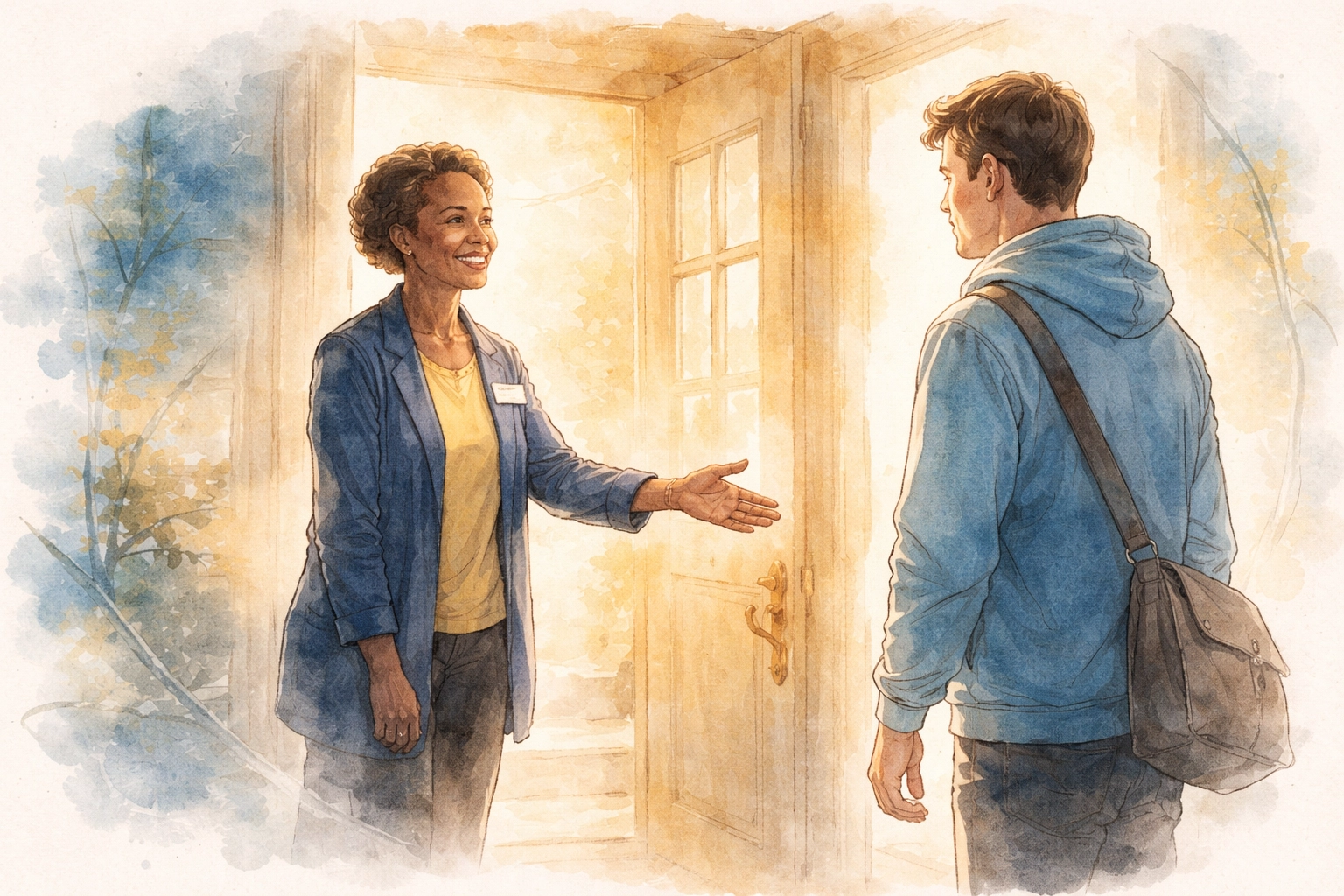
So what does it look like to turn friction into connection? Let me break it down into four simple moves.
1. See the Person, Not the Problem
When someone is standing in front of a locked door, your first instinct might be to explain: "Oh, that door doesn't open until 9:15" or "You need to go around to the main entrance."
Stop. Before you solve the problem, see the person.
Make eye contact. Smile. Say something that acknowledges them, not just the situation:
"Hey, I'm so glad you're here. Let me help you."
"You found the tricky entrance! I've done the same thing."
"Welcome, I've got you. Come with me."
This tiny shift communicates something powerful: You matter more than the inconvenience.
2. Walk With Them, Don't Point
This is greeter gold. When someone is lost, confused, or frustrated, don't give directions, give your presence.
Instead of saying, "The sanctuary is down that hall, second door on your left," say, "Let me walk you there."
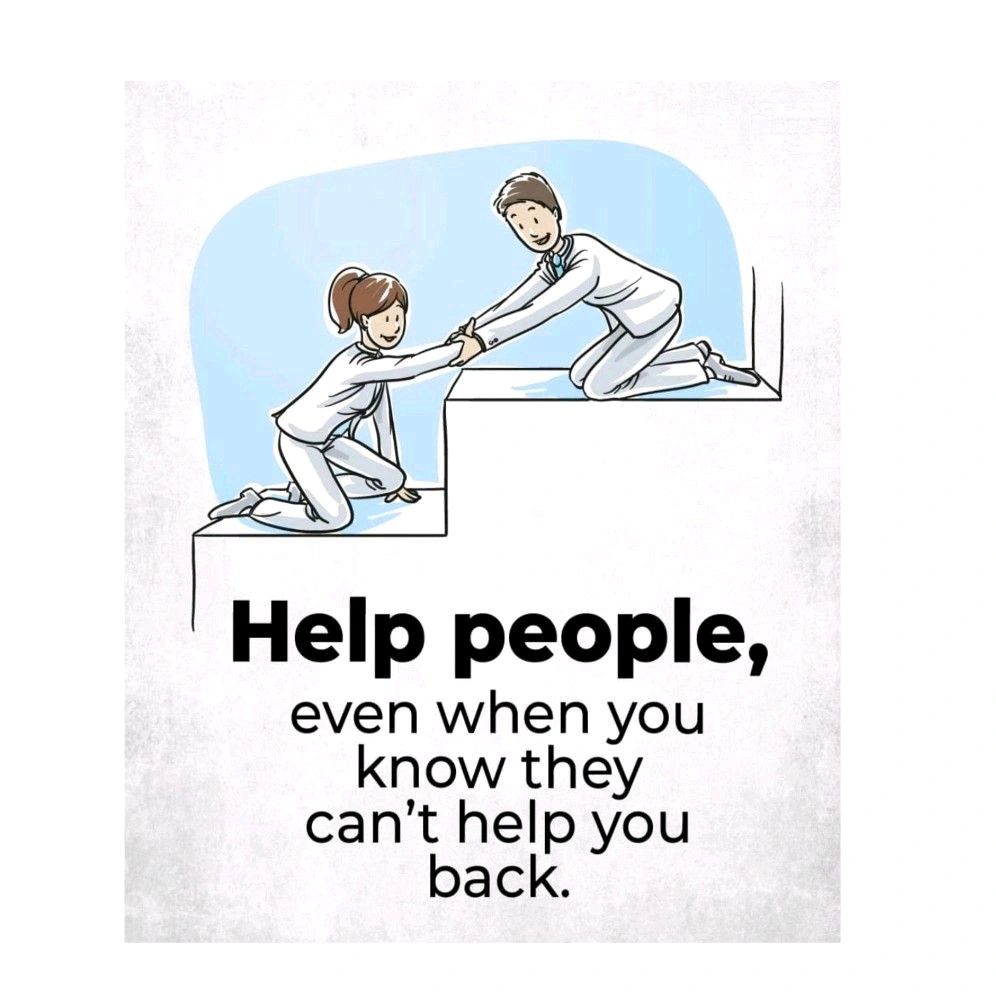
Yes, it takes more time. Yes, you might miss greeting the next three people who walk in. But that one guest you personally escorted? They just experienced the kindness of Christ in human form. They'll remember that walk for years.
3. Normalize the Friction
One of the most powerful things you can do in a locked door moment is remove the guest's embarrassment. Many people feel foolish when they can't figure something out: even if it's not their fault.
You can normalize the experience with simple phrases:
"This happens all the time: our signage isn't great yet."
"You're not the first person to try that door. We really need to fix it."
"Honestly, I got lost my first three Sundays here."
When you take responsibility (even if it's not technically yours), you release the guest from shame. And shame is the enemy of connection.
4. Leave Them Better Than You Found Them
The goal isn't just to solve the problem: it's to send them into the service feeling more welcomed than if the problem had never happened.
Before you part ways, add one more layer of care:
"If you need anything else, I'll be right out here."
"I hope you have an amazing experience today."
"So glad you came. Seriously."
That final sentence lands differently after you've walked them through friction. It's not a scripted greeting anymore: it's a genuine blessing.
The Spiritual Weight of Small Moments
Here's what I want you to understand, greeter: you are not just a volunteer. You are not just filling a slot on the schedule. You are standing in a sacred position.
For many guests, you are the first human representative of the body of Christ they encounter. Before they hear the sermon, before they sing a worship song, before they read a single verse: they experience you.
And in those locked door moments, you have a chance to demonstrate something words alone cannot teach: that the Church is a place where people are seen, valued, and cared for: especially when things go wrong.
Scripture tells us that God's kindness leads people to repentance (Romans 2:4). Your kindness at a locked door might be the first taste of God's kindness someone has experienced in months. Don't underestimate it.
Practical Training for Your Team
If you're a greeter team leader, here are a few ways to build "locked door" skills into your training:
Role-play friction scenarios : Have team members practice responding to lost guests, late arrivals, and unexpected problems. Make it fun, but make it real.
Assign "roving" greeters : Station one or two volunteers away from the main entrance specifically to catch people in hallways, parking lots, and side doors.
Debrief weekly : Ask your team: "Did anyone have a locked door moment this week? How did you handle it?" Celebrate the wins and learn from the misses.
Walk your own building : Try entering from every door, at different times. Find your friction points before your guests do.
Your Invitation
Friend, if you serve on a greeter team: or if you're thinking about joining one: I want to encourage you: this ministry matters more than you know. Every smile, every escort down the hallway, every "let me help you" at a locked door is a seed planted in someone's spiritual journey.
Comments