
Turning 'Locked Door' Moments into Opportunities for Exceptional Care
- Dr. Layne McDonald
- Feb 12
- 5 min read

You're stationed at the entrance, doing your job well. The service has started, the doors are secured for safety, and then it happens, someone walks up, pulls the handle, and finds it locked. Maybe they're running late. Maybe they're visiting for the first time. Maybe they're having the worst week of their life and finally worked up the courage to step inside a church.
That moment? It can feel awkward. Even a little tense. But here's what I want you to understand: that locked door isn't a barrier. It's actually an invitation for you to provide the kind of exceptional care that changes someone's entire experience.
As greeters and door team members, you are often the very first face people see when they encounter our church family. Your role isn't just about security or logistics, it's about hospitality at its finest. And those "locked door" moments are some of your greatest opportunities to shine.
Why These Moments Matter More Than You Think
Think about the last time you showed up somewhere and felt unwelcome. Maybe you were running late to an appointment, or you walked into the wrong room, or someone gave you a look that said, "You don't belong here."
That feeling sticks with people.
Now flip it around. Remember a time when someone went out of their way to make you feel seen, valued, and cared for, especially when you were already feeling a little vulnerable. That feeling sticks too.
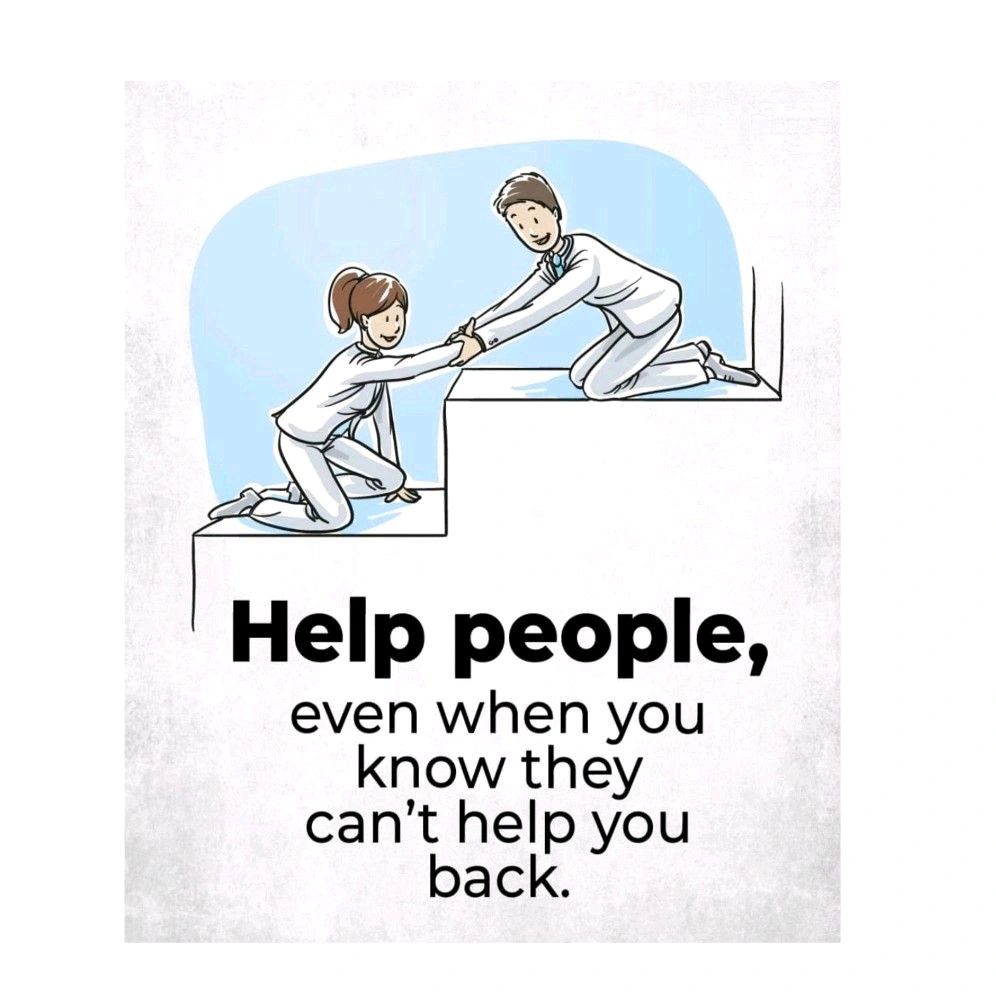
When someone encounters a locked door at church, they're already in a slightly vulnerable position. They might feel embarrassed about being late. They might be nervous about visiting a new place. A first-time guest might even wonder if the locked door means they're not welcome.
This is your moment to communicate the exact opposite. This is your chance to show them that they matter, they belong, and we've been waiting for them.
Shifting Your Mindset: From Gatekeeper to Caregiver
The most important shift you can make is in how you see your role. You're not a security guard whose job is to keep people out. You're a caregiver whose job is to welcome people in, safely and warmly.
Here's the difference:
Gatekeeper mindset:
"The doors are locked. You'll have to wait."
"Service already started."
"We lock the doors at 10:15."
Caregiver mindset:
"I'm so glad you're here! Let me get you inside."
"You made it! Let me show you where to go."
"Welcome: I'll walk with you so you don't have to figure it out alone."
Same situation. Completely different experience for the person on the other side of that door.
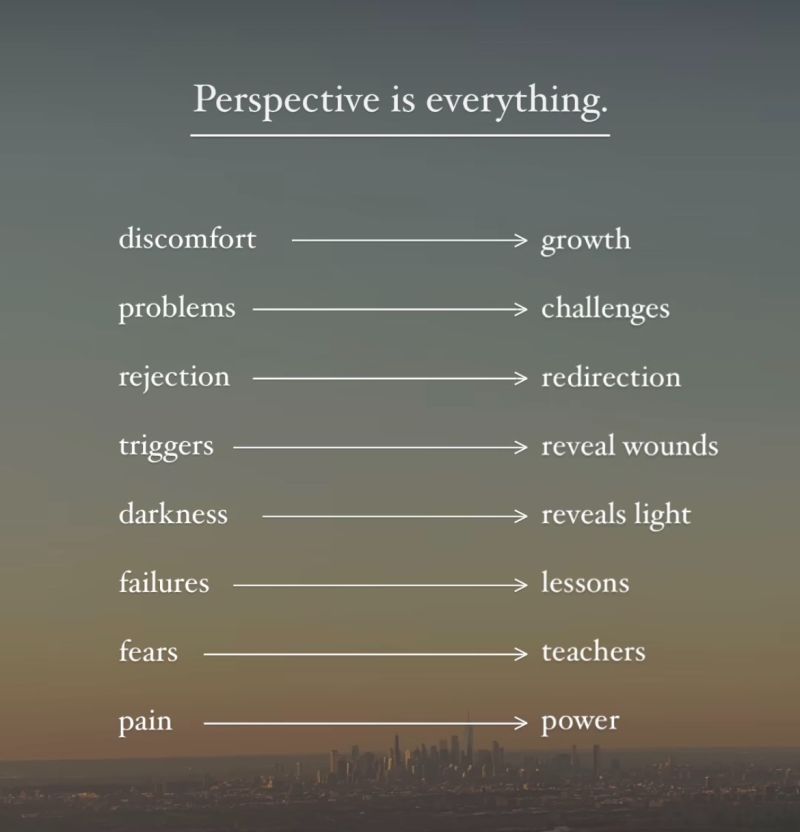
When you approach every interaction as an opportunity to care for someone, the awkwardness melts away. You're no longer explaining a policy: you're extending an invitation.
Practical Tips for Turning Awkward into Awesome
Let's get practical. Here are specific ways to transform locked-door moments into opportunities for exceptional hospitality:
1. Acknowledge them immediately
Don't let someone stand at a locked door wondering what to do. The moment you see them approach, move toward them with a smile. Make eye contact. Wave. Let them know they've been seen before they even reach the handle.
2. Lead with warmth, not explanation
Your first words matter. Instead of starting with why the door is locked, start with welcome.
"Hey there! Welcome!"
"Good morning! I'm so glad you came!"
"Hi! Let me help you get inside."
The explanation can come naturally after the warmth.
3. Move with them, not away from them
Don't point to another entrance and send them off alone. Walk with them. Open the door for them. If you need to stay at your post, hand them off personally to another team member who can escort them.
4. Offer context without making them feel bad
If they seem confused or embarrassed about the locked door, a quick, casual explanation helps: "We keep these doors secured once service starts: just keeps everyone safe. But you're totally fine! Come on in."
No lecture. No policy speech. Just quick reassurance.
5. Watch for signs someone needs extra care
Sometimes a person arriving late is frazzled, upset, or clearly going through something hard. Pay attention. A gentle "How are you doing today?" can open a door (pun intended) to real ministry. You might be the only person who asks them that question all week.
Communication Techniques That Build Connection
Your words are powerful. Here are phrases that turn potential awkwardness into genuine connection:
Instead of: "The door is locked." Try: "Let me get that for you!"
Instead of: "You're late." Try: "You made it! That's what matters."
Instead of: "You need to go around." Try: "I'll walk you to the entrance: follow me!"
Instead of: "We lock the doors for security." Try: "We keep things secure so everyone feels safe inside. Come on in!"
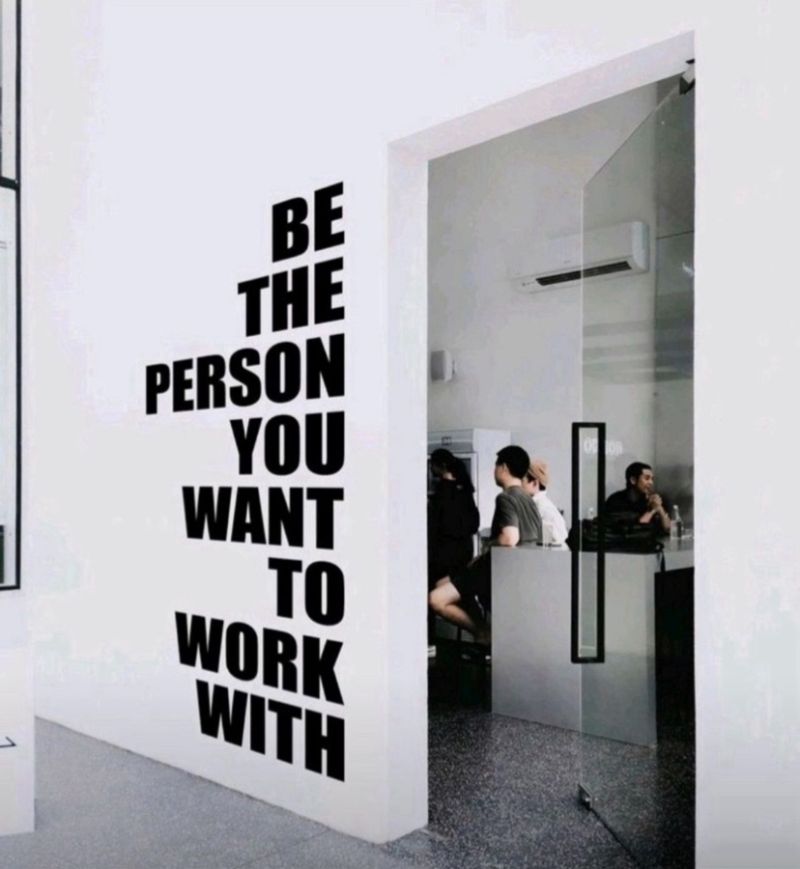
Notice the pattern? Every response focuses on the person, not the policy. Every phrase moves toward inclusion, not exclusion.
When Things Get Tricky
Sometimes locked-door moments involve more complicated situations. Someone might be frustrated. A first-time visitor might feel rejected. Someone might have a lot of questions you can't answer on the spot.
Here's your game plan:
Stay calm and kind. Your demeanor sets the tone. If you stay relaxed and warm, they'll usually match your energy.
Validate their feelings. "I totally get it: showing up and finding a locked door can be confusing. Let me help."
Know your resources. If someone has questions beyond your role, connect them with a pastor, welcome team member, or staff person who can help. You don't have to have all the answers: you just need to connect them with someone who does.
Don't take it personally. If someone is having a rough day and takes it out on you, extend grace. You never know what battle they're fighting.
The Bigger Picture: Hospitality as Ministry
Here's the truth that makes all of this matter: hospitality isn't just a nice thing to do. It's ministry. It's how we reflect the heart of God to people who desperately need to know they're loved.
Jesus didn't stand behind locked doors and shout instructions. He moved toward people. He touched the untouchable. He welcomed the outcast. He made room at the table.
As a greeter or door team member, you get to do the same thing every single week. You get to be the hands and feet of Jesus to someone who might be taking their first step toward faith.
That locked door? It's not a problem. It's your pulpit. It's your moment to preach a wordless sermon about the love of God.
Your Next Step
If you're serving on a greeter or door team, I want to challenge you this week: look for one "locked door" moment and turn it into something beautiful. Watch for that person who looks lost, late, or unsure. Move toward them. Welcome them like they're the most important person in the building: because in that moment, they are.
And if you want to grow deeper in servant leadership and hospitality, check out the resources and training available through our ministry. We're here to help you become the leader and caregiver God has called you to be.
Every interaction matters. Every door is an opportunity. And you? You're exactly the right person to be standing there.
( Dr. Layne McDonald)
Comments