Turning Locked Doors into Moments of Care
- Layne McDonald
- 9 hours ago
- 5 min read

What if the barriers we build to keep people safe actually steal their dignity?
That's a question I've wrestled with throughout my years in ministry and coaching. We encounter "locked doors" everywhere: in dementia care facilities, in our homes, in our churches, and even in the walls we build around our own hearts. Sometimes we lock things down because we're afraid. Other times, we do it because we genuinely believe it's the safest option.
But here's what I've learned: safety without dignity isn't really safety at all. It's control. And control isn't love.
The Problem With Locked Doors
When we think about locked doors in caregiving, we often picture nursing homes or memory care units. These physical barriers seem necessary, right? Someone with dementia might wander. They might get lost. They could be hurt.
But research from facilities like Ananda Aged Care in Adelaide tells a different story. When they transitioned to open-door policies in 2018-2019, something remarkable happened. Behaviors requiring incident response dropped by 50%. Staff confidence and satisfaction increased by 90%. Residents who had been fixated on locked exits: watching keypads, testing doorknobs: finally found peace.
The locked doors weren't just keeping people in. They were creating emotional and psychological harm. These residents could see the barriers. They understood they were being contained. And that loss of autonomy triggered disorientation, frustration, and even trauma from their past.
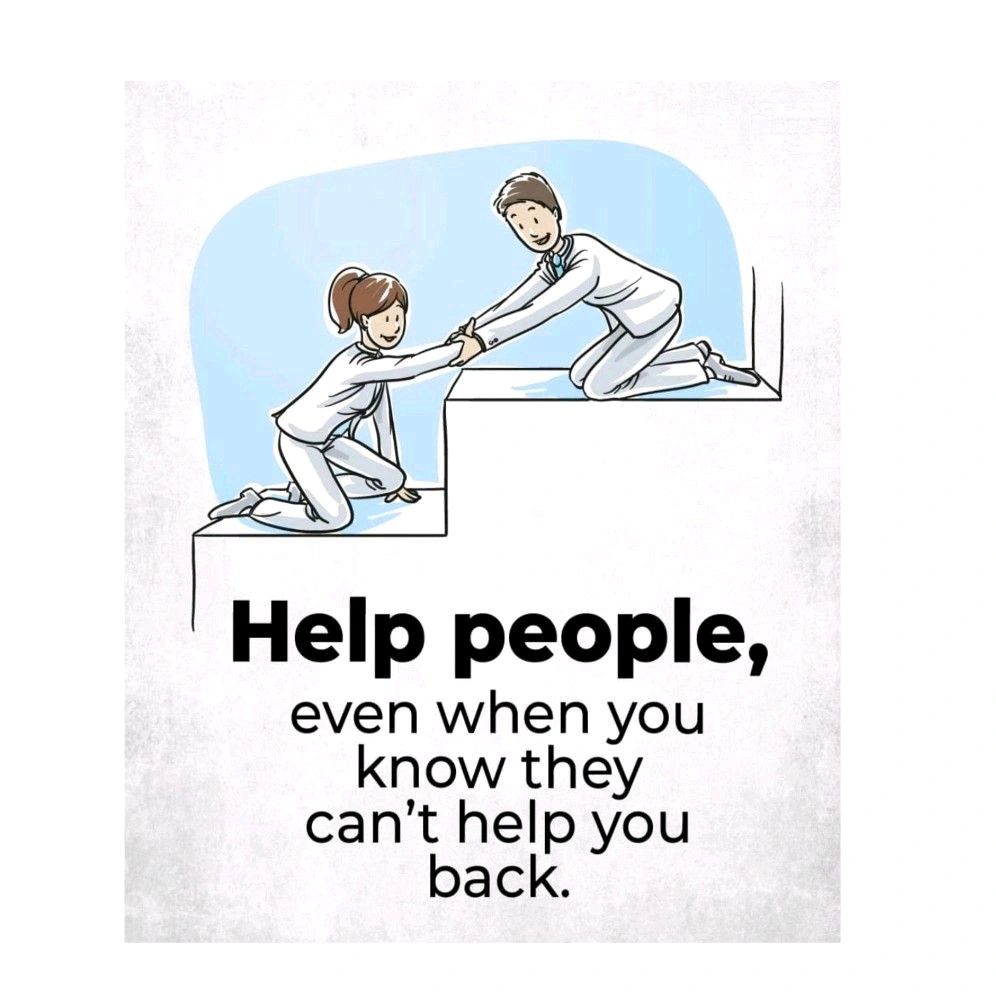
The same principle applies to every form of care we provide. When we focus solely on containment rather than connection, we miss the opportunity to truly minister to someone's heart.
What Person-Centered Care Really Means
Scripture tells us in Philippians 2:3-4, "Do nothing out of selfish ambition or vain conceit. Rather, in humility value others above yourselves, not looking to your own interests but each of you to the interests of the others."
Person-centered care isn't just a clinical term. It's biblical love in action.
When Ananda Aged Care made their shift, they didn't just unlock doors and hope for the best. They implemented comprehensive training. They assessed their environment to reduce confusion. They created secure outdoor spaces where residents could move freely. They used technology like wearable devices and door sensors that alerted staff discreetly: without making residents feel like prisoners.
Most importantly, they tailored activities to reduce restlessness and wandering. They recognized that behaviors aren't problems to be controlled. They're forms of communication.
This is the kind of leadership that changes lives. When we stop trying to manage people and start trying to understand them, everything shifts.
The Barriers We Build in Other Relationships
Now, you might be thinking, "Dr. Layne, I'm not a dementia care nurse. How does this apply to me?"
Friend, we all build locked doors. Sometimes they're necessary for a season. Sometimes they do more harm than good.
Parents lock doors on their teenagers' freedom out of fear. Church leaders create barriers that keep certain people from serving because of past mistakes. Spouses shut down emotionally, locking their partner out of their inner world.
In each case, we convince ourselves we're being wise. We're protecting someone: or protecting ourselves. But what if we're actually stealing dignity, autonomy, and the opportunity for genuine connection?
I've coached countless leaders who discovered that their "boundaries" were really just control mechanisms dressed up in spiritual language. The moment they shifted from restriction to relationship, their families transformed. Their teams flourished. Their marriages came back to life.
When Locked Doors Are Actually Necessary
Now, I'm not suggesting we eliminate all boundaries. That would be foolish and unbiblical.
Even in the dementia care research, experts acknowledged that locked doors can sometimes be the "least restrictive option" for specific cases. For instance, when a resident's compulsive wandering leads to dehydration or dangerous disorientation, a secured environment might save their life.
But here's the key: such measures must be justified, time-limited, regularly reviewed, and supported by individual risk assessments. They require partnership with families. They demand constant evaluation.
The same is true in our relationships. Sometimes you need to set a firm boundary with someone who is repeatedly harmful. Sometimes you need to restrict access to protect yourself or others. But those boundaries should always be bathed in prayer, evaluated regularly, and motivated by love: not fear.
Proverbs 4:23 says, "Above all else, guard your heart, for everything you do flows from it." Guarding your heart doesn't mean building impenetrable walls. It means stewarding your emotional and spiritual health wisely so you can continue to love well.
Practical Alternatives to Locked-Door Thinking
So how do we shift from restrictive security to compassionate care? Here are some practical strategies that work in dementia care: and in every other caregiving relationship:
Design spaces for freedom within safety. Instead of one locked room, create multiple safe spaces where people can explore and move freely. In parenting, this might mean creating structure with flexibility. In leadership, this means clear expectations with room for creativity.
Use environmental cues rather than barriers. Visual reminders, gentle guidance systems, and thoughtful design can reduce confusion without restriction. In relationships, this looks like proactive communication rather than reactive control.
Deploy technology thoughtfully. Door sensors and wearable devices can alert you to needs without creating prison-like conditions. In ministry, this might mean accountability systems that support rather than surveil.
Tailor engagement to reduce restlessness. When people are fulfilled, connected, and purposeful, they don't wander aimlessly. This is true whether you're caring for someone with dementia or leading a team at work.
Bringing It All Together
Australia's Strengthened Aged Care Quality and Safety Standards now mandate a least-restrictive approach. Facilities are being challenged to question locked-door norms and prioritize dignity.
What if the Church led the way in this kind of thinking?
What if we became known as the people who value autonomy, honor individual stories, and create spaces where everyone: regardless of cognitive ability, past mistakes, or current struggles: can flourish?
This is the ministry I'm passionate about. This is the coaching I provide. This is the message I preach.
True compassion brings the person into focus. It reminds us that locked doors don't just manage risk. They shape the entire experience for the person behind them.
When we shift our thinking from containment to connection, from restriction to relationship, we don't just improve outcomes. We reflect the heart of Jesus: who never locked anyone out, but instead invited everyone in.
Your Next Step
If you're ready to transform your leadership, your caregiving, or your relationships from locked-door thinking to person-centered love, I want to help you get there. Whether you're a pastor, a parent, a healthcare worker, or simply someone who wants to love people better, the principles we've talked about today can revolutionize your approach.
Visit www.laynemcdonald.com to explore coaching resources, books, and workshops designed to equip you with the tools you need to lead with compassion, set boundaries with wisdom, and create environments where dignity and safety coexist beautifully.
Your calling is too important to settle for locked-door leadership. There's a better way: and I'm here to walk it with you.

$50
Product Title
Product Details goes here with the simple product description and more information can be seen by clicking the see more button. Product Details goes here with the simple product description and more information can be seen by clicking the see more button

$50
Product Title
Product Details goes here with the simple product description and more information can be seen by clicking the see more button. Product Details goes here with the simple product description and more information can be seen by clicking the see more button.
$50
Product Title
Product Details goes here with the simple product description and more information can be seen by clicking the see more button. Product Details goes here with the simple product description and more information can be seen by clicking the see more button.
Comments