
Turning Locked Doors into Moments of Care
- Dr. Layne McDonald
- Mar 2
- 5 min read

Updated: May 5
Picture this: A young mother rushes across the parking lot, baby on her hip, toddler in tow. She's fifteen minutes late for service. Her morning was chaos, a diaper explosion, lost car keys, and a meltdown over mismatched socks. She finally made it. But when she reaches the church entrance, the door is locked.
What happens next can either deepen her faith or make her question whether she belongs.
As greeters and door team members, we hold more power in these moments than we often realize. The locked door itself isn't the problem. It's how we respond when someone stands on the other side of it that truly matters.
Why Churches Lock Their Doors
Before we dive into the heart of hospitality, let's acknowledge something important: locked doors serve a purpose. Churches across Memphis and throughout our communities face real safety concerns. Protecting children during service, maintaining security during worship, and creating a peaceful environment for those inside are all valid reasons to secure entrances after a certain time.
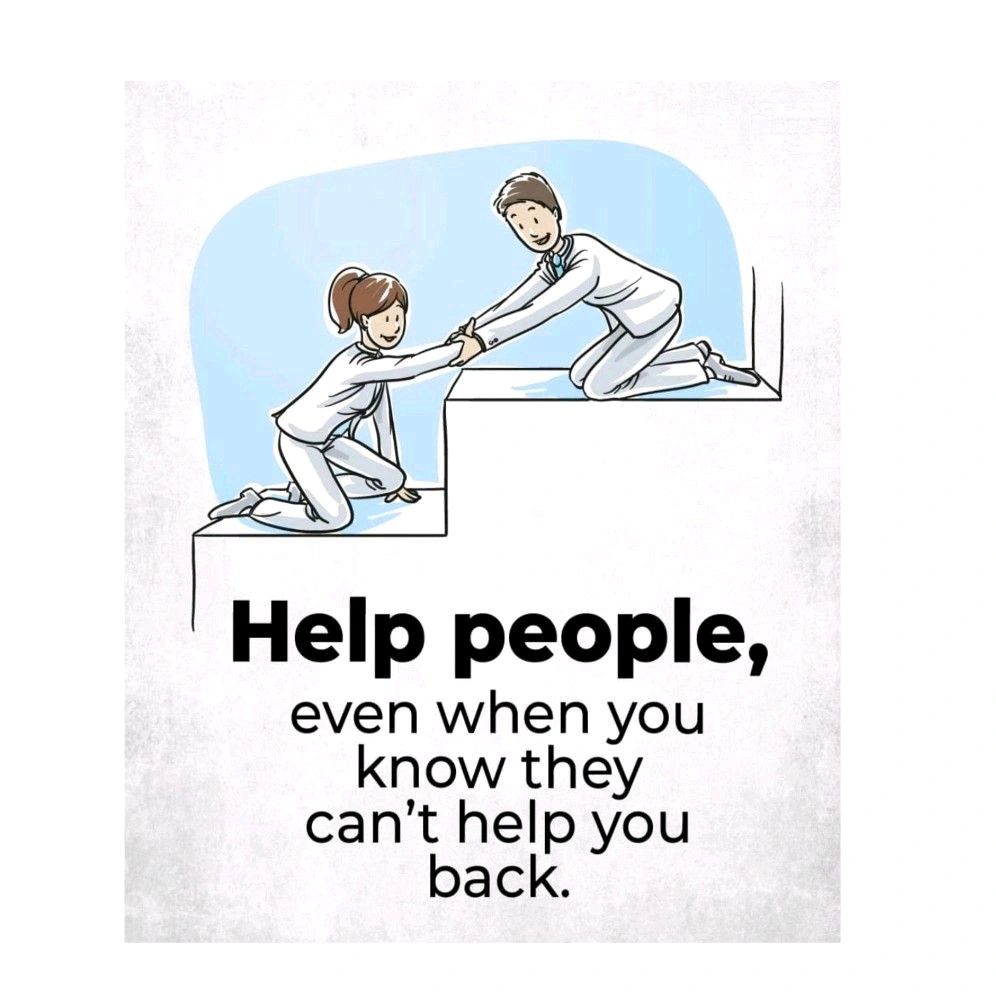
The question isn't whether we should lock doors. The question is how we handle the people who arrive after we do.
God doesn't close doors to keep people out of His presence. He closes doors to protect what's precious. As His hands and feet in the church lobby, our job is to make sure that protection never feels like rejection.
The Heart Behind Every Late Arrival
When someone shows up late, there's always a story we don't know.
Maybe they:
Worked a night shift and barely slept
Battled anxiety just to walk through the parking lot
Haven't been to church in years and almost turned around twice
Are going through a divorce and this is their first Sunday alone
Lost a loved one this week and desperately need community
Every person who approaches a locked door carries something with them. Our role isn't to judge their timing. Our role is to welcome their presence.
Dr. Layne McDonald often teaches that church hospitality isn't about efficiency, it's about encounter. Every interaction at the door is an opportunity for someone to encounter the love of Christ before they even reach the sanctuary.
Practical Ways to Turn Locked Doors into Welcome Mats
So how do we actually do this? Here are some simple, heartfelt approaches that any greeter or door team member can implement:
1. Position Someone Outside
If your church locks doors during service, consider having at least one team member stationed outside or near the entrance. This person can greet latecomers with a warm smile and personally escort them inside. A locked door feels completely different when a friendly face is already waiting there.
2. Use Clear, Welcoming Signage
A sign that says "Door Locked – Ring Bell for Entry" communicates security. A sign that says "Running Late? We're So Glad You Made It! Ring the bell and we'll get you right in" communicates care. Words matter. Choose them thoughtfully.
3. Respond Quickly and Graciously
Nothing feels worse than standing outside a locked door while people inside seem unaware. Equip your team with radios or designate someone to monitor the entrance. When that bell rings or that knock comes, respond within seconds, not minutes.
4. Offer a Genuine Welcome, Not an Explanation
Resist the urge to explain why the door was locked. The person doesn't need a policy review. They need to know they're wanted. Try phrases like:
"We're so happy you're here!"
"Come on in, let me show you where everything is."
"Can I help you find the nursery? I'll walk with you."
5. Follow Up Later
If possible, connect latecomers with someone after service. A quick "Hey, I saw you come in a little later: is everything okay? Can we help with anything?" goes a long way. It shows that their presence was noticed and valued, not just processed.
What Late Arrivals Teach Us About Grace
Here's something beautiful to consider: every single one of us has been a late arrival in our spiritual journey.
Some of us came to faith early. Others wandered for decades before finding our way to God's door. And when we finally showed up: messy, uncertain, carrying baggage we couldn't name: Jesus didn't check His watch. He didn't sigh. He didn't make us explain why we took so long.
He simply welcomed us home.
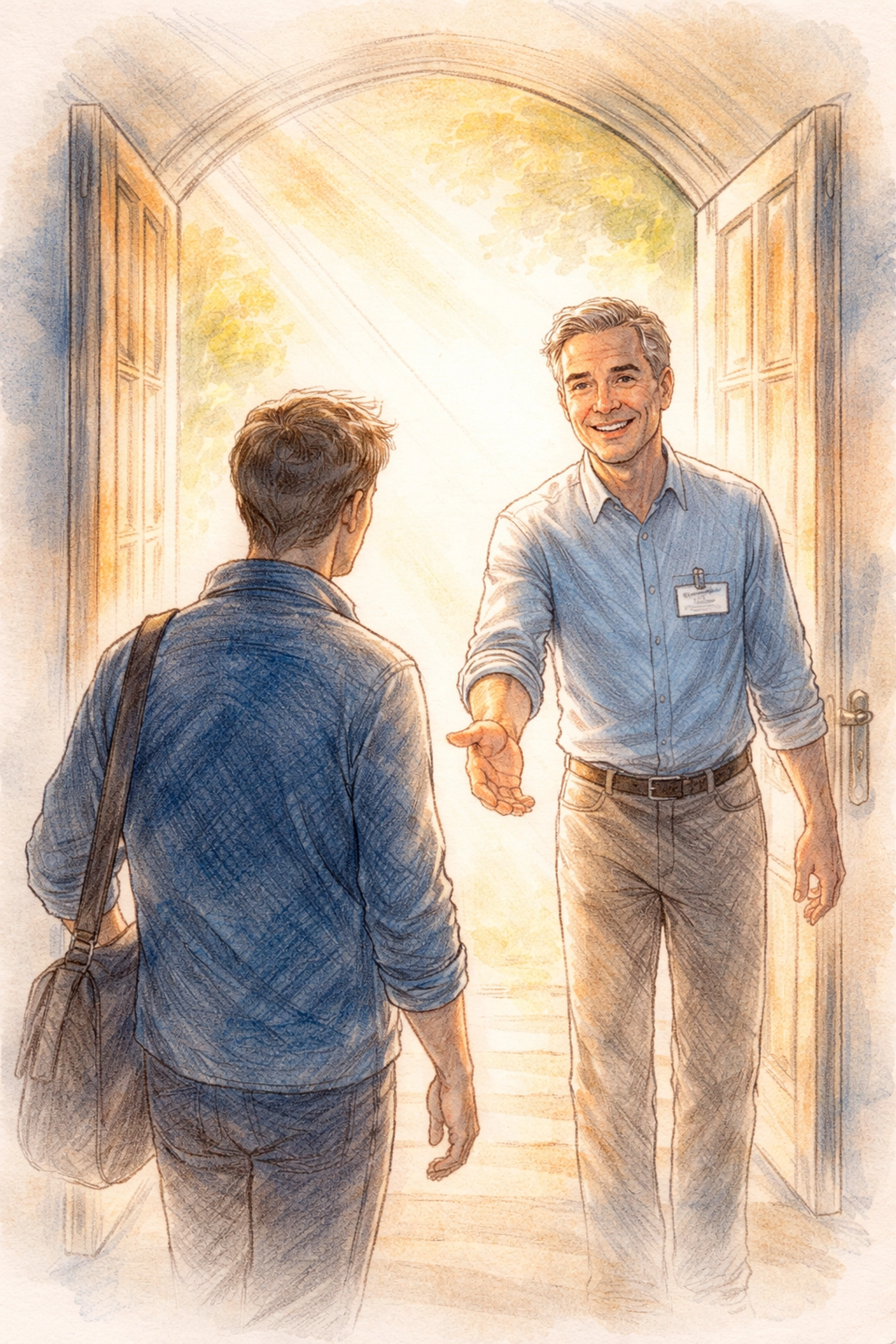
That's the model we follow. That's the hospitality we extend. Not because people earn it by arriving on time, but because Christ extended it to us when we didn't deserve it at all.
Building a Culture of Care on Your Team
Creating this kind of warm environment doesn't happen by accident. It takes intentional effort and ongoing training. Here are some ways to build a culture of care within your greeter and door team:
Start with prayer: Begin each service by praying specifically for those who will arrive late or hesitant.
Share stories: When someone has a meaningful encounter at the door, share it with the team. Celebrate these moments.
Practice scenarios: Role-play different situations during training. How do you handle a frustrated parent? A first-time visitor? Someone who seems upset?
Emphasize the "why": Remind your team regularly that they're not just opening doors: they're opening hearts to the gospel.
Memphis Ministry, Memphis Hearts
For those of us serving in Memphis, we know our city carries a unique spirit. There's warmth here. There's resilience. There's a deep hunger for authentic community and faith that transforms.
Our churches have the opportunity to reflect that spirit in every interaction. When someone from Midtown or Whitehaven or Cordova approaches our doors: early, late, or somewhere in between: they should feel the hospitality that Memphis is known for.
Church hospitality isn't a program. It's a promise. It's a promise that says, "You matter here. You belong here. God has been waiting for you."
A Final Word for the Door Team
To every greeter, usher, security team member, and volunteer who stands at the entrance of your church: thank you.
Your ministry might feel small. You might wonder if what you do really makes a difference. But consider this: you may be the first face someone sees on the hardest day of their life. You may be the reason someone feels brave enough to come back next week.
Never underestimate the power of a locked door handled with care. In your hands, it becomes an invitation instead of a barrier. It becomes a moment of ministry instead of a missed opportunity.

God is doing something beautiful through your service. Keep showing up. Keep smiling. Keep turning those locked doors into moments of care.
Want to learn more about building a hospitality culture in your church or ministry? Dr. Layne McDonald offers coaching, workshops, and resources designed to help leaders create welcoming environments where everyone feels valued. Visit laynemcdonald.com to explore how you can take your ministry to the next level.
Comments