
Volunteers Are Burned Out, Under-Trained, and Under-Thanked: Restoring Dignity to Serving
- Dr. Layne McDonald
- Dec 30, 2025
- 5 min read

Updated: Jan 4
Sarah has served in the children's ministry for six years straight. She started enthusiastic, full of energy, ready to change lives. Now? She's exhausted, questioning whether anyone even notices her sacrifice, and wondering if she's become the church equivalent of a vending machine, always expected to deliver, never needing refilling.
Sound familiar? If you're nodding right now, you're not alone. Churches across the country are running on fumes because their faithful few are burning out faster than they can be replaced. The volunteers who show up week after week, event after event, are quietly reaching their breaking point.
Here's the uncomfortable truth: many churches have accidentally created a system that consumes people instead of growing them.
The Three-Part Problem We Need to Face
First, volunteers are burning out. They're carrying loads meant for teams, serving in multiple areas because "no one else will do it," and missing their own family time to keep church programs running. The irony? They're sacrificing their spiritual health to serve the church.
Second, they're under-trained. We hand people responsibilities without proper preparation, throw them into roles they've never done before, and expect them to figure it out. Then we wonder why they feel overwhelmed or inadequate.
Third, they're under-thanked. Recognition happens sporadically, if at all. Volunteers hear about what went wrong more often than what went right. They know their pastor's frustrated sigh better than their genuine smile.
This isn't just a church management issue, it's a discipleship crisis.

What Scripture Says About Serving
Jesus modeled servant leadership, but He also modeled boundaries. He withdrew to pray. He said no to good opportunities to stay focused on His mission. He equipped His disciples instead of doing everything Himself.
Paul writes in Ephesians 4:12 that leaders should "equip the saints for the work of ministry." Notice that? The goal isn't to have a few people do all the work: it's to prepare everyone to contribute meaningfully.
When volunteers are burning out, it usually means we've forgotten this principle. We've created a culture where service feels like obligation instead of opportunity, burden instead of blessing.
The Real Cost of Volunteer Burnout
When volunteers burn out, they don't just step back from serving: they often step back from community entirely. They begin to associate church with exhaustion, resentment, and guilt. Their families suffer. Their own spiritual growth stagnates.
Worse, their burnout becomes a cautionary tale for others. New people see the weariness in long-time volunteers and think, "I don't want that to be me." The culture becomes self-perpetuating: fewer people willing to serve, which means more pressure on the faithful few, which leads to more burnout.
Restoring Dignity: How Churches Can Change
Start with seasons, not lifetimes. Every volunteer role should have a clear beginning and end. Whether it's six months, one year, or two years, people need to know their commitment has boundaries. This isn't about lowering standards: it's about creating sustainability.
Train like you care. Before someone serves, invest in proper training. Show them not just what to do, but why it matters. Connect their role to the bigger mission. Give them the tools and confidence they need to succeed.
Create teams, not heroes. Stop depending on super-volunteers who do everything. Build teams where responsibilities are shared, where people can cover for each other, where no single person's absence creates chaos.
Say thank you specifically and regularly. Generic appreciation feels hollow. Instead of "Thanks for serving," try "Thank you for staying late last Sunday to help that family find their lost keys. That kindness made them feel truly welcomed here."

How Volunteers Can Serve Without Losing Themselves
Know your limits before you reach them. Healthy boundaries aren't selfish: they're wise. You can't pour from an empty cup. Jesus withdrew regularly to be with the Father. You need that restoration time too.
Ask for training. Don't suffer in silence if you feel unprepared. Most leaders want you to succeed and will provide training if you ask. Feeling confident in your role makes serving enjoyable instead of stressful.
Communicate your needs. If you're overwhelmed, say something. If your schedule changes, let people know. Churches can't read minds, and most would rather adjust expectations than lose good volunteers.
Remember your why. You're not serving a program or an organization: you're serving people and honoring God. When serving feels mechanical, reconnect with the hearts behind the ministry.
Take breaks without guilt. Seasons of rest aren't failure: they're wisdom. Even God rested on the seventh day. Your worth isn't measured by your service record.
The Leadership Side: Creating Volunteer-Friendly Culture
Leaders, here's your part: stop treating volunteers like employees without pay. They chose to be here. They deserve respect, training, and appreciation that matches their sacrifice.
Hold regular check-ins. Don't wait for annual volunteer appreciation dinners. Have real conversations about how people are doing, what they need, what's working well.
Develop people, don't just use them. Look for volunteers' gifts and help them grow. Maybe the person folding bulletins has leadership potential. Maybe the greeter would love to learn about event planning.
Be transparent about needs and expectations. People can handle honest conversations about workload and expectations. What they can't handle is constantly shifting goalposts and unclear communication.
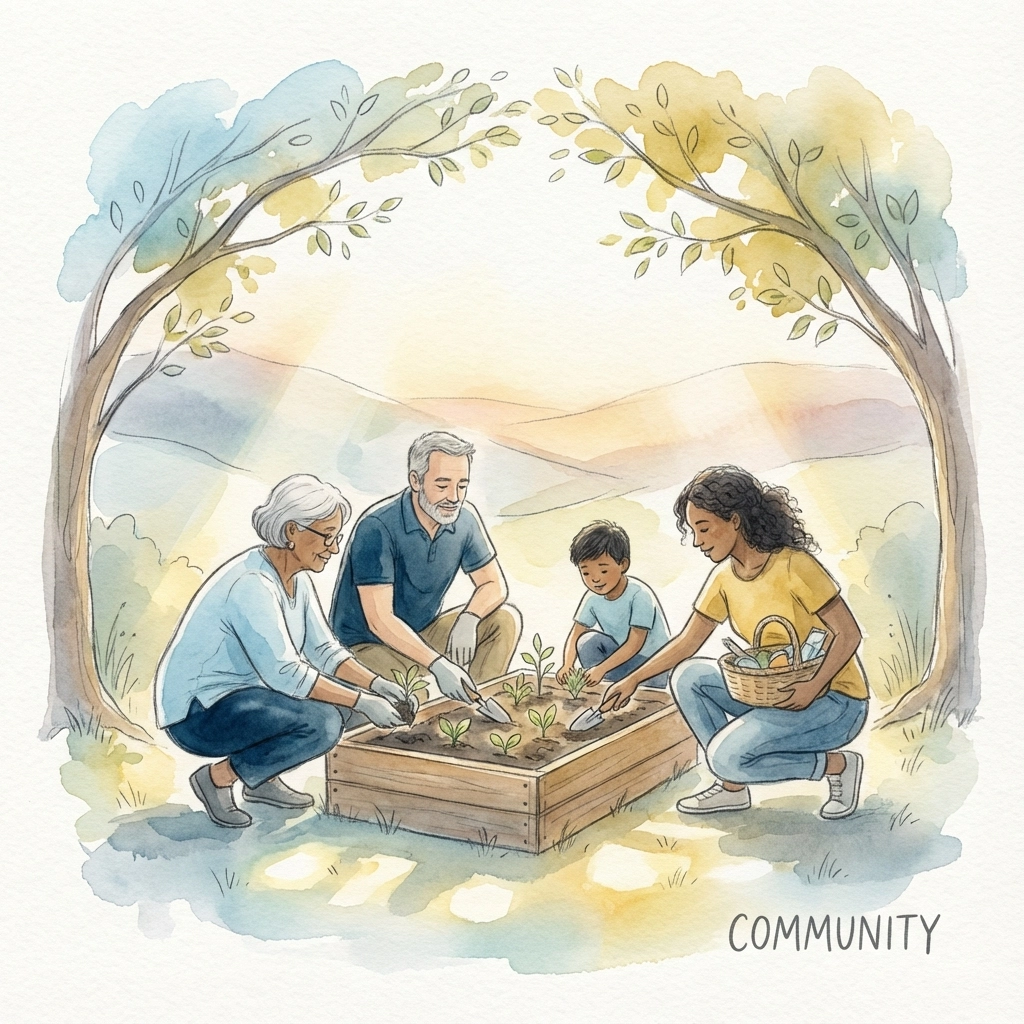
Building a Culture of Sustainable Service
The goal isn't to have volunteers who serve forever: it's to have volunteers who serve joyfully for their season, then step back refreshed and grateful for the experience. Some will return after a break. Others will find different ways to contribute. Both are healthy.
Churches that get this right create environments where:
People compete to serve instead of avoiding commitment
Volunteers invite their friends to join teams
Service feels like privilege, not burden
Training is thorough and ongoing
Appreciation is specific and regular
Boundaries are respected, not guilted away
Your Next Step
If you're a volunteer feeling burned out, it's okay to reassess. Talk with your leadership about realistic expectations, needed training, or healthy boundaries. You're not being difficult: you're being wise.
If you're a church leader, audit your volunteer experience. Are you equipping people for success or setting them up for frustration? Are you developing disciples or consuming servants?
The church needs volunteers who serve from overflow, not emptiness. When we restore dignity to serving, we create communities where people grow through contribution instead of burning out from obligation.
Ready to transform how you approach service: whether as a volunteer or leader? At Layne McDonald Ministries, we specialize in helping churches create healthier leadership cultures and equipping individuals for sustainable ministry. Reach out for coaching that helps you serve with joy, lead with wisdom, and build communities that flourish instead of just functioning.
Because God's people deserve better than burnout. They deserve to experience the deep satisfaction that comes from meaningful service done in healthy, supported environments.
Your calling is too important to let it become a source of exhaustion. Let's work together to restore the dignity and joy that serving was always meant to bring.
Comments