Why Presence Beats Performance Every Sunday
- Dr. Layne McDonald
- Mar 8
- 5 min read

Something shifted in my understanding of ministry years ago. It happened during a Sunday service that, by all measurable standards, went terribly wrong.
The sound system glitched halfway through worship. A key vocalist called in sick. The sermon slides advanced at the wrong moments. And yet, people met God that morning. Real tears. Real surrender. Real transformation.
That broken Sunday taught me something I've carried ever since: presence beats performance every single time.
The Performance Trap
Church leaders face an unspoken pressure that rarely gets named out loud. We feel responsible for creating experiences. We measure success by attendance numbers, by how smoothly the transitions flowed, by whether the band hit that key change perfectly.
None of these things are inherently wrong. Excellence honors God. Preparation matters. But somewhere along the way, many of us confused excellence with perfection, and preparation with performance.
When performance becomes the goal, something subtle and dangerous happens:
The worship team focuses on hitting notes instead of encountering the Holy Spirit
The Connect Pastor obsesses over logistics instead of reading the room
The congregation becomes an audience instead of participants
Sunday becomes a show to execute rather than sacred ground to steward
Performance culture creates spectators. Presence culture creates disciples.
What Presence Actually Looks Like
Presence isn't passive. It's not showing up physically while mentally running through your to-do list. Presence is intentional, focused attention: the kind that makes people feel seen, known, and valued.
For a Connect Pastor, presence looks like:
Walking the room before service instead of hiding in the green room
Making eye contact with the nervous first-time visitor standing alone by the coffee station
Staying flexible when the Spirit moves in an unexpected direction
Listening more than speaking during those crucial post-service conversations
Being fully engaged rather than scanning the crowd for problems to solve
When you're fully present, your attention sharpens naturally. Genuine emotion flows without being manufactured. People sense the difference immediately: even if they can't articulate what makes your church feel different.
Authenticity is contagious. When your team actively pursues God through prayer and personal devotion throughout the week, that authenticity shines through on Sunday. You can't fake presence. People know.
Culture Over Logistics
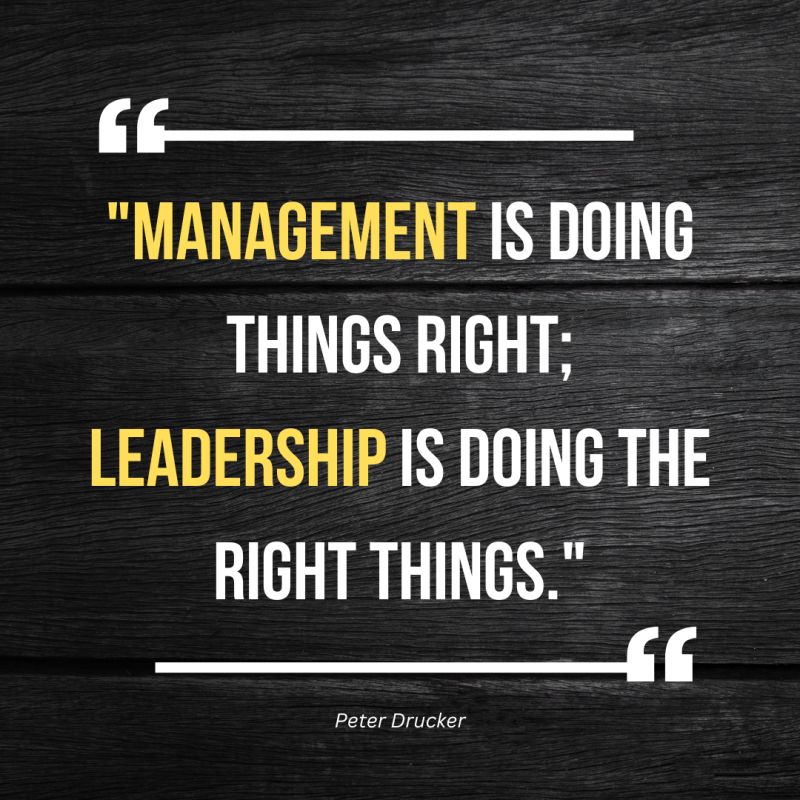
Here's the leadership principle at the heart of this: you're not building a service; you're building a culture.
Logistics matter. Systems matter. But they serve a purpose beyond themselves. The sound check exists so that nothing distracts from the moment someone hears truth that changes everything. The welcome team training exists so visitors feel the warmth of Christ before they ever hear a sermon.
When culture leads, logistics fall into proper place. When logistics lead, culture slowly suffocates.
Ask yourself these questions about your Sunday environment:
Do people feel like they're attending an event or entering a family?
Are your volunteers performing tasks or living out their calling?
Is your team executing a plan or responding to what God is doing?
Are you measuring success by visible emotional responses or by life change?
The real measure of worship is transformation, not atmosphere. A successful Sunday isn't determined by hands raised or how tight the band sounded. Success is measured by whether people became more like Jesus and encountered God's truth in a personal way.
The Spontaneity Factor
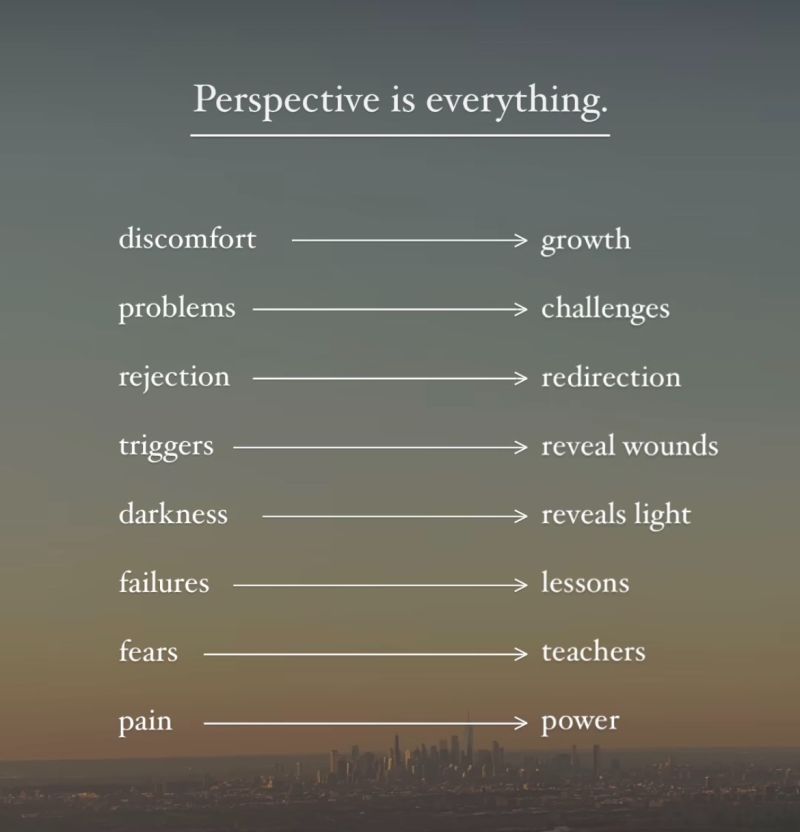
Careful planning honors God. I'm not advocating for chaos or laziness disguised as "Spirit-led" ministry. But some of the most powerful worship moments emerge when leaders set aside the agenda and respond to what God is doing in the room.
This requires courage.
It requires trusting that the God who called you to lead is actually present and active: not waiting for you to manufacture an experience on His behalf.
Years of ministry have taught me that congregations can sense when their leaders are performing versus when they're present. They know when the tears are real. They feel the difference between a polished transition and a holy pause.
Presence creates space for the unpredictable. And the unpredictable is often where God shows up most powerfully.
Presence Requires Preparation
This might sound contradictory, but hear me clearly: presence requires preparation.
You cannot be fully present on Sunday if you're scrambling through Saturday night. You cannot respond to the Spirit's movement if you're mentally running through logistics. You cannot connect with your congregation if you're exhausted, depleted, and running on fumes.
Presence flows from overflow.
This means:
Personal devotion throughout the week: not just sermon prep, but genuine time with God
Adequate rest before Sunday arrives
Systems that run smoothly so your mind is free to focus on people
A team you trust so you're not carrying every responsibility alone
Margin in your schedule so you're not rushed from moment to moment
The best Connect Pastors I know are incredibly organized. Their preparation frees them to be spontaneous. Their systems liberate them to be present.
Building a Presence-First Team
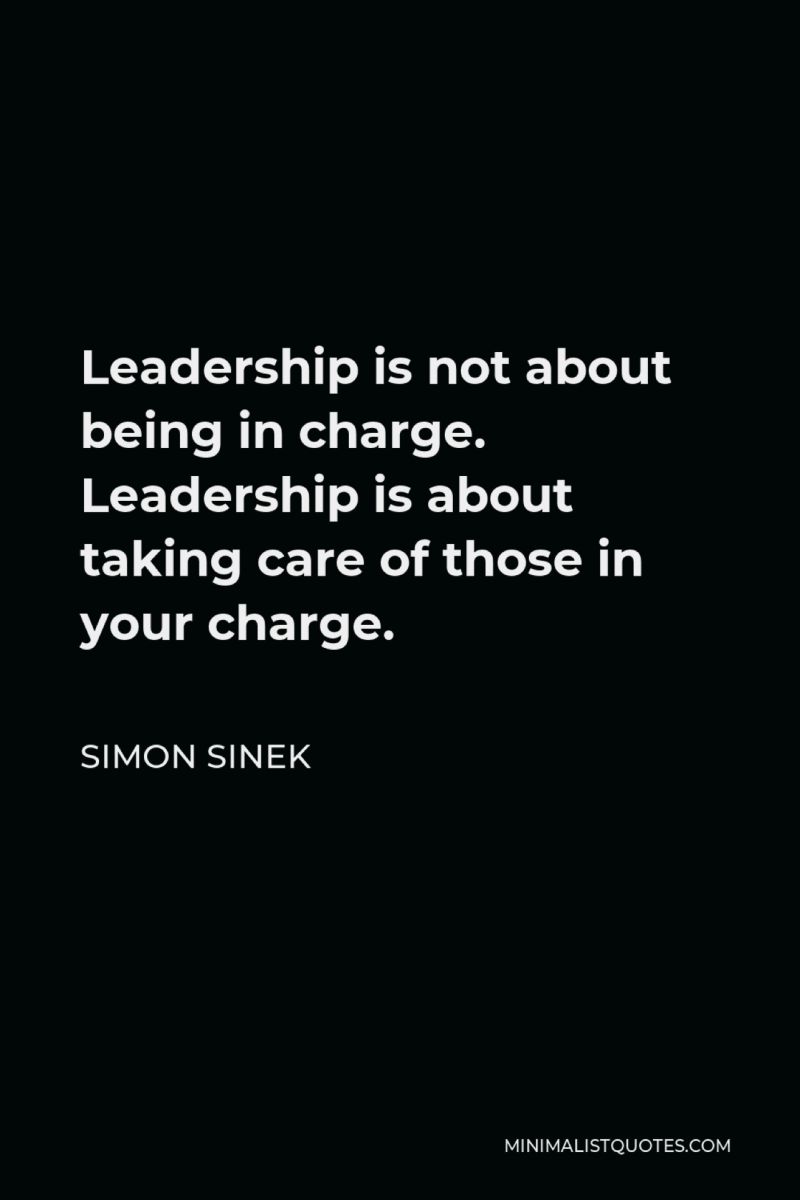
Culture starts with leadership but spreads through teams.
If you want presence to define your Sundays, you need to cultivate it in your volunteers and staff. This means training that goes beyond task completion. It means gathering your team for prayer, not just sound checks. It means celebrating moments of genuine connection, not just flawless execution.
Encourage your team to circulate before and after services. Reinforce that worship is a shared community experience, not a performance by professionals. Model what presence looks like by how you show up: not just on Sundays, but in every interaction throughout the week.
When your team catches the vision of presence over performance, everything changes. Volunteers stop anxiously managing tasks and start genuinely loving people. Worship leaders stop performing songs and start leading encounters. Greeters stop distributing bulletins and start welcoming family members home.
A Countercultural Invitation
We live in a culture obsessed with productivity and performance. Metrics. Optimization. Results.
The church is not immune to these pressures. We've absorbed more of the world's values than we often realize.
But presence offers something countercultural and desperately needed: the recognition that grace is available, and being trumps doing.
Jesus didn't run an efficient ministry. He stopped for interruptions. He lingered with outcasts. He prioritized twelve over twelve thousand. He was fully present with whoever stood before Him.
That's the model. That's the invitation.
This Sunday, what if you measured success differently? What if you released the pressure of performance and simply showed up: fully present, fully attentive, fully available to whatever God wants to do?
Your congregation doesn't need a perfect service. They need to encounter the living God through leaders who are genuinely present.
If you're a pastor or church leader wrestling with these tensions between performance and presence, you don't have to figure it out alone. Coaching and mentorship can help you build the kind of culture that transforms lives: starting with your own.
Visit www.laynemcdonald.com to explore resources designed specifically for leaders like you.
Comments