
Why Your Story is the Best Bridge to a Broken World
- Dr. Layne McDonald
- Feb 9
- 5 min read

Updated: Feb 9
You carry something the world desperately needs: your story.
Not a polished, Instagram-perfect version. Not the highlight reel. The real thing: the messy middle, the moments you questioned everything, the scars that taught you how to heal. That's the bridge someone else is looking for right now.
The Power of Breaking Silence
Silence is where pain grows strongest. When you keep your struggle hidden, shame whispers that you're the only one. That voice convinces you isolation is safety, but it's actually a prison.
Your story does the opposite. When you share what you've walked through, you communicate a profound truth: you are not alone in the dark.
Think about the last time someone opened up to you about something hard. Maybe a friend admitted they were struggling in their marriage. Maybe a coworker confessed they were battling depression. In that moment, something shifted. The barrier between you dissolved, and connection rushed in.
That's what happens when we trade silence for story. We break the lie that we have to carry everything alone.

Your Vulnerability Multiplies Compassion
When a pastor admits he's battled depression, his congregation can finally exhale. When a mother shares her experience with postpartum anxiety, other mothers find courage to pick up the phone and call for help. When a teenager speaks openly about going to therapy, a friend somewhere feels less broken for needing the same thing.
These aren't just nice moments. They're life-changing acts of courage that dismantle stigma one story at a time.
Stigma survives in secrecy. It thrives when people believe they're the exception, the outlier, the only one who couldn't get it together. But when you speak your truth: not for shock value, but from a healed place: you normalize experiences that shame had kept hidden.
You give others permission to be human.
Stories Transform Chaos Into Meaning
Here's something beautiful about the way God designed your brain: when you put your pain into words, you activate the systems that help you make sense of what once felt overwhelming.
Neuroscience backs this up. Narrating your experience: whether through journaling, conversation, or prayer: helps your mind process trauma and turn chaos into coherence. But here's where it gets even better: when someone truly listens to your story without judgment, healing accelerates.
Being witnessed matters. Being heard transforms survival into actual healing.
This is why sharing your story isn't just brave: it's part of how God designed us to heal.
We weren't meant to carry our burdens in isolation. We were created for connection, for community, for the kind of love that says, "I see you, and you're not too much."
Your Map Helps Others Navigate the Dark
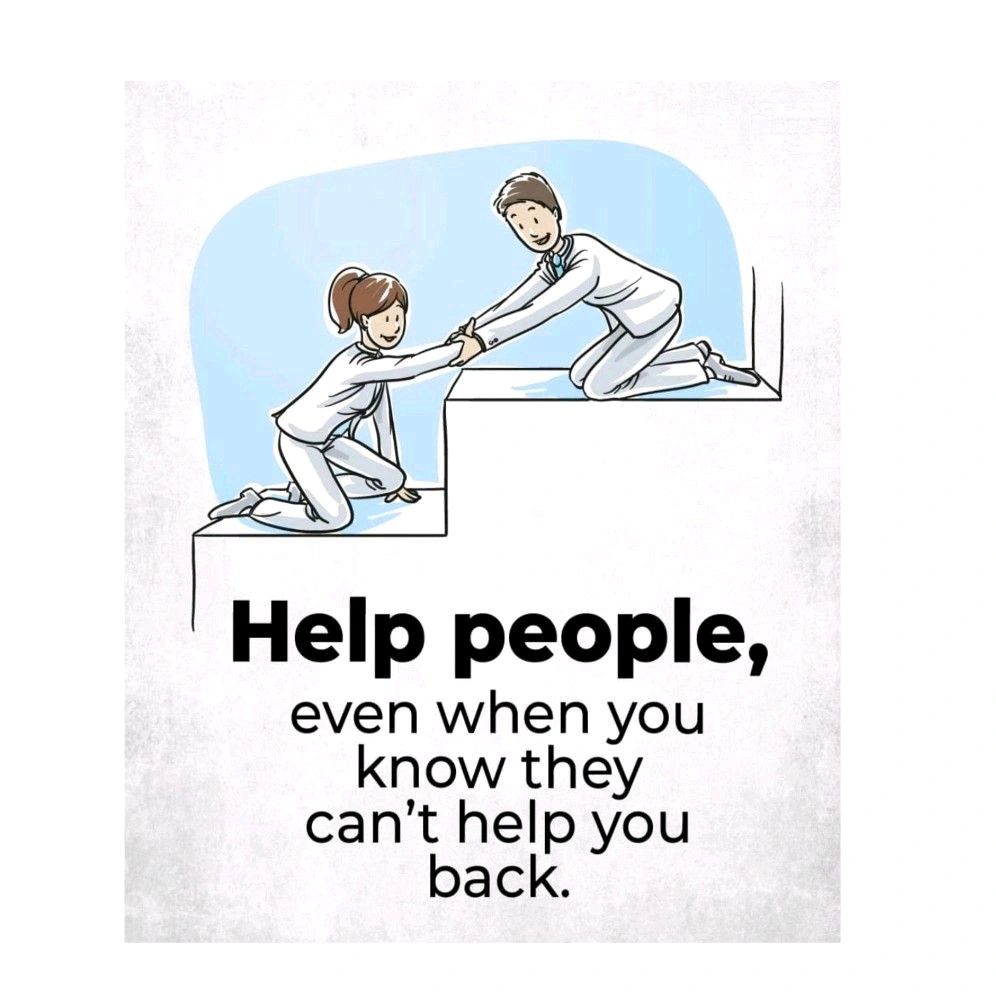
You've been somewhere. You've walked through something hard and come out the other side. That journey: even if you're still in the middle of it: creates a map for someone else.
When you share where you've been, what you've learned, and how God met you there, you're not just telling a story. You're offering directions to someone who's lost right now.
Maybe your story is about:
Rebuilding after a broken relationship
Learning to set boundaries with toxic people
Finding faith when doubt felt overwhelming
Surviving loss and learning to live again
Overcoming addiction and staying sober
Whatever it is, someone needs to hear it. Not because you have all the answers, but because you've been where they are. You understand in a way that platitudes never will.
Stories Build Solidarity, Not Just Support
Here's the difference: support says, "I'm here for you." Solidarity says, "I've been there too."
Support is kind. Solidarity is powerful.
When your story connects with someone else's experience, something bigger than individual survival happens. You become part of something collective. You're not just two people anymore: you're a community. A movement. A reminder that resilience is possible and healing is real.
This is the heart of Christ's love in action. Jesus didn't stand at a distance and offer advice. He stepped into humanity, experienced our pain, and said, "I'm with you." When you share your story from a place of vulnerability, you're doing the same thing.
You're saying, "I see you. I've been there. And there's hope on the other side."

How to Share Your Story With Grace
Sharing your story doesn't mean oversharing. It doesn't mean posting every hard thing on social media or trauma-dumping on strangers. Healthy storytelling comes from a place of healing, not a place of open wounds.
Here's how to share well:
Start from a healed place. You don't need to have it all figured out, but share from where you've gained perspective, not where you're still bleeding.
Know your why. Are you sharing to help someone else, or to get validation? Both are human, but one builds bridges and the other builds walls.
Respect boundaries. Not every story needs to be public. Some are meant for close friends, a therapist, or your journal. Wisdom knows the difference.
Point to hope. Your story doesn't have to be tied up with a bow, but it should point toward the possibility of healing, growth, or redemption.
Give God the glory. If faith carried you through, say so. Don't downplay how God met you in the mess. That's the part someone else needs to hear most.
The Ripple Effect of One Story
You'll never know the full impact of sharing your story. The teenager who doesn't give up because you were honest about your struggle. The parent who seeks help because you normalized therapy. The friend who reaches out instead of suffering in silence.
Your story has a ripple effect you may never see. But trust this: when you share from a place of love and truth, it reaches further than you know.
The world is broken. People are hurting. And in the middle of all that pain, your story can be the bridge someone needs to find their way back to hope, back to community, and back to God.
Your Story Matters
You might be thinking, "My story isn't that special." Or, "Other people have been through worse." But here's the truth: your story doesn't have to be extraordinary to be powerful. It just has to be honest.
God uses ordinary stories to do extraordinary things. He uses broken people to point others toward healing. He uses your mess to become someone else's message.
So if you've been holding back, wondering if your story matters: it does. If you've been afraid to be vulnerable, afraid of judgment or rejection: take the risk. Someone out there needs to hear that they're not alone.
Your story is the best bridge to a broken world. Build it with courage, share it with love, and trust that God will use it in ways you never imagined.
Ready to dive deeper into faith-based growth, leadership, and living out Christ's love in practical ways? Visit www.laynemcdonald.com for coaching, mentorship, and resources that meet you where you are. Every visit helps support families who have lost children through Google AdSense: at no cost to you. For ongoing spiritual encouragement, join us at www.boundlessonlinechurch.org, your private online church home where you can watch teachings and connect with a faith family that's grounded in truth.
Comments