top of page
< Back

How to Set Healthy Boundaries Without Feeling Guilty

You know that sinking feeling when someone asks you to volunteer for another committee, babysit their kids (again), or drop everything to help with a project that isn't yours? Your stomach tightens. You want to say no, but the word catches in your throat. So you say yes, and instantly regret it. Here's what nobody tells you: the guilt you feel about setting boundaries isn't coming from God . It's coming from years of believing that being a good Christian means being available to everyone, all...
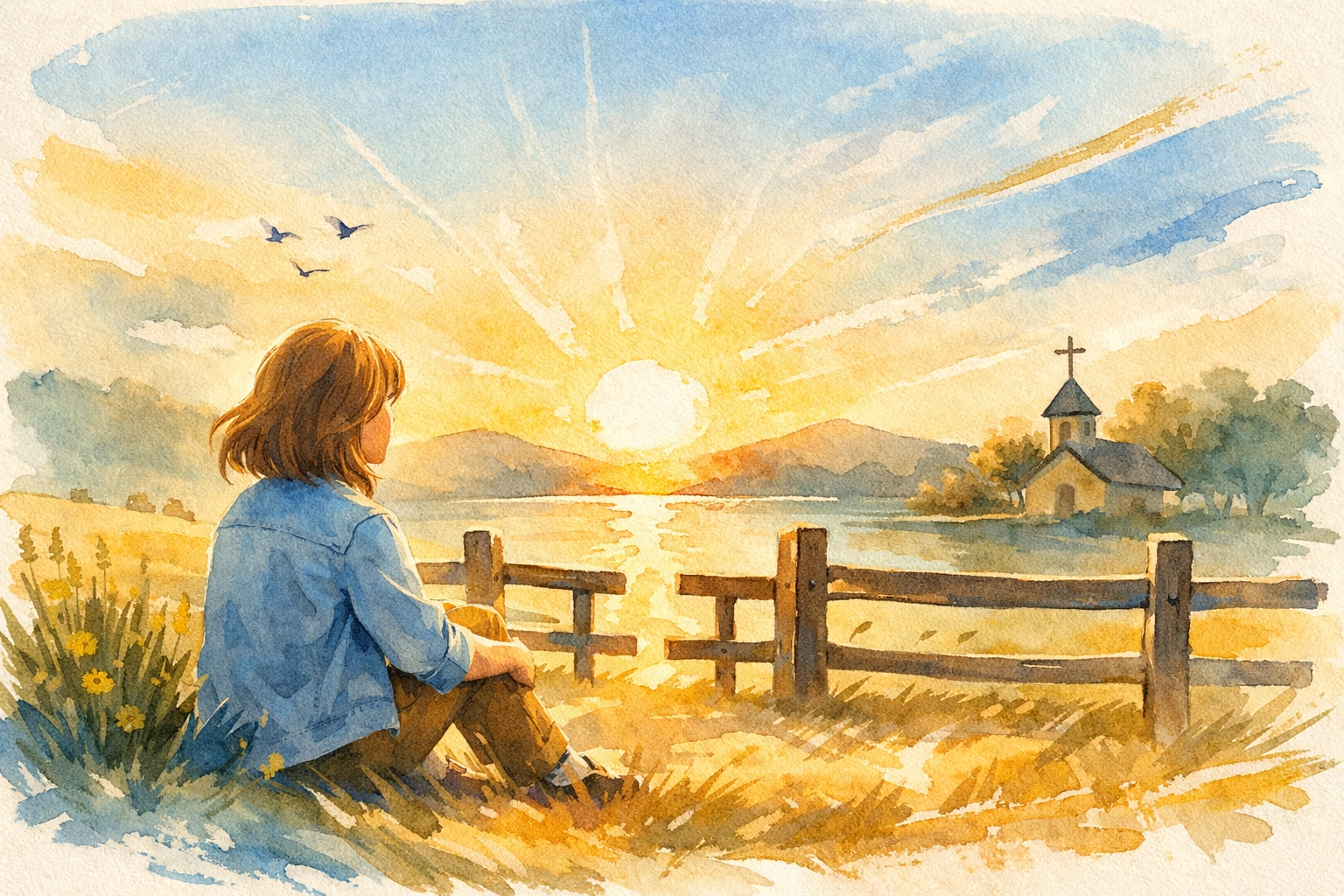
You know that sinking feeling when someone asks you to volunteer for another committee, babysit their kids (again), or drop everything to help with a project that isn't yours? Your stomach tightens. You want to say no, but the word catches in your throat. So you say yes, and instantly regret it. Here's what nobody tells you: the guilt you feel about setting boundaries isn't coming from God . It's coming from years of believing that being a good Christian means being available to everyone, all the time, no matter what it costs you. That's not biblical love. That's burnout with a Bible verse slapped on it. Dr. Layne McDonald here, and today we're tackling one of the most misunderstood topics in Christian living: how to set healthy boundaries without drowning in guilt. Because you can honor God, serve others well, and  protect your peace, all at the same time.  The Truth About Boundaries and Guilt  Most of the guilt we carry around boundaries comes from a lie we've believed: that we're responsible for other people's reactions . When you set a boundary and someone gets upset, disappointed, or passive-aggressive, your brain immediately goes into crisis mode. "I hurt them. I'm selfish. I should have just said yes." But here's the reality: you are not responsible for how others respond to your boundaries . You're responsible for communicating them clearly, kindly, and respectfully. What they do with that information is between them and God. Jesus modeled this perfectly. He regularly withdrew from crowds to pray (Luke 5:16). He said no to people's demands when they didn't align with His mission (John 6:15). He protected His time, energy, and purpose, even when it disappointed people who wanted more from Him. If Jesus set boundaries, you can too.  Why "Just Say No" Doesn't Work  You've probably heard the advice: "Just say no. Don't explain yourself." That sounds great in theory. But in real life? When your mother-in-law asks why you can't host Thanksgiving this year, or your boss wonders why you're not answering emails at 10 PM, a flat "no" without context can feel harsh and invite conflict. The problem isn't the boundary itself, it's the over-explaining  that usually follows. Here's the difference: Over-explaining : "I can't host Thanksgiving because we've been so busy lately and honestly I'm just really overwhelmed and I think I need a break and I hope you're not mad but I just can't do it this year and maybe next year will be better and I'm really sorry..." Clear boundary : "We're taking this year to focus on rest and simplicity, so we won't be hosting. I hope you understand." See the difference? The first opens the door to negotiation, justification, and guilt. The second states your decision with kindness and confidence. You don't owe anyone a 20-minute explanation for protecting your peace.  The Biblical Case for Boundaries  Some of the guilt around boundaries comes from misunderstanding what love really means. We've been taught that Christian love is self-sacrificial, which it is, but sacrifice without wisdom leads to depletion, not devotion. Look at what Scripture actually says: Galatians 6:5 : "Each one should carry their own load." (There's a difference between helping someone and carrying their responsibilities for them.) Proverbs 4:23 : "Above all else, guard your heart, for everything you do flows from it." (You can't pour from an empty cup.) Matthew 11:28-30 : Jesus invites us to rest in Him, not to run ourselves into the ground. God designed you with limits. Your time is finite. Your energy is finite. Your emotional capacity is finite. Honoring those limits isn't selfish, it's stewardship . When you set boundaries, you're actually protecting your ability to love others well over the long haul.  Four Steps to Set Guilt-Free Boundaries  1. Get Clear on Your "Why"  Before you can set a boundary, you need to know why  it matters. What value are you protecting? What part of your life needs safeguarding? Maybe it's: Time with your family Your mental health Margin for rest and prayer Energy for the work God's actually called you to do When you're rooted in your "why," it's easier to stand firm when guilt tries to creep in.  2. Use the Fewest Words Possible  This is where most people stumble. We think we need to justify, defend, or apologize for our boundaries. We don't. Try this framework: State the boundary clearly Offer a brief (one-sentence) reason if appropriate End with kindness, not apology Example: "I'm not available to take on additional projects right now. I'm focusing on my current commitments so I can give them my full attention." No room for negotiation. No guilt-laden apology. Just clarity.  3. Stop Taking Responsibility for Their Feelings  This is the big one. If someone is hurt, angry, or disappointed by your boundary, that's information about them , not evidence that you did something wrong. Healthy people respect boundaries. If someone consistently tries to guilt-trip you, manipulate you, or pressure you into changing your limits, that's a red flag about the relationship, not about your boundary. You can be compassionate without caving. You can acknowledge their disappointment without abandoning your needs.  4. Practice Self-Compassion  Setting boundaries is hard work, especially if you've spent years people-pleasing. Give yourself grace as you learn. You might: Set a boundary and then second-guess yourself for three days Cave to pressure and then feel frustrated with yourself Overcompensate by swinging too far the other way All of that is normal. Growth isn't linear. What matters is that you keep showing up for yourself with the same compassion you'd offer a close friend.  What to Do When Guilt Shows Up Anyway  Even when you've done everything "right," guilt might still knock on your door. Here's how to handle it: Ask yourself : Is this conviction from the Holy Spirit, or is this condemnation from old patterns? Conviction leads you toward repentance and growth. Condemnation just beats you down with shame. If you've prayed, considered your decision carefully, and honored God in your boundary-setting, that nagging guilt is likely just your nervous system adjusting to a new normal. It will pass.  When Boundaries Get Pushback  Real talk: some people won't like your boundaries. They'll: Act surprised or hurt Try to negotiate Make passive-aggressive comments Test whether you'll hold the line Stay calm. Stay firm. Stay kind. Repeat your boundary without elaborating. "I understand you're disappointed. My answer is still no." The more consistent you are, the faster people will learn that your boundaries aren't up for debate.  ---  Take a Breath  Pause for a moment. Place one hand on your heart. You are not selfish for protecting your peace. You are not unkind for honoring your limits. You are not failing God by setting boundaries. Breathe in: I am responsible for my own well-being. Breathe out: I release guilt that isn't mine to carry.  ---  Reflection Question  What is one area of your life where you've been saying "yes" out of guilt instead of genuine desire or calling? Take a few minutes to journal about it. What would change if you gave yourself permission to set a boundary there?  Small Action Step  This week, practice saying no to one thing : even something small. It could be skipping a social event you don't want to attend, declining an extra shift at work, or telling a friend you need to reschedule coffee. Notice how it feels. Notice the guilt that shows up. And notice that the world doesn't fall apart when you honor your limits.  Moving Forward  Setting boundaries without guilt is a skill, not a personality trait. The more you practice, the easier it gets. The initial discomfort is just your nervous system adjusting to a healthier way of living. And here's the beautiful part: when you protect your time, energy, and emotional health, you actually become more  available to serve others in the ways God's truly calling you to. You show up with presence instead of resentment. You love from fullness instead of depletion. That's not selfish. That's sustainable. Ready to dive deeper into building a life rooted in Christ, boundaries, and real peace?  Head over to www.laynemcdonald.com  for coaching, resources, and encouragement that will help you grow in faith and practical wisdom. Every time you visit, you're also raising funds through Google AdSense for families who have lost children: at no cost to you. And if you're looking for a spiritual home where you can stay grounded, join teachings, and connect with family groups (with or without signing up), check out www.boundlessonlinechurch.org . We'd love to walk this journey with you. You've got this. One boundary at a time. ( Dr. Layne McDonald )

how-to-set-healthy-boundaries-without-feeling-guilty

Dr. Layne McDonald
Creative Pastor • Filmmaker • Musician • Author
Memphis, TN

  • Apple Music
  • Spotify
  • YouTube
  • TikTok
  • Instagram
  • Facebook
  • LinkedIn
  • X

Sign up for our newsletter

© 2025 Layne McDonald. All Rights Reserved.

bottom of page