top of page
< Back

The Proven Safe Faith Home Framework for Protecting Your Children

Leadership and Faith-based Leadership How do you build a safe faith home that protects your children in an increasingly complex world? The proven safe faith home framework is a comprehensive system that integrates physical safeguards in religious environments, robust digital monitoring, and a foundation of emotional grace. By combining these elements, parents can create a sanctuary where children are not only protected from external threats but are also spiritually anchored to navigate life...
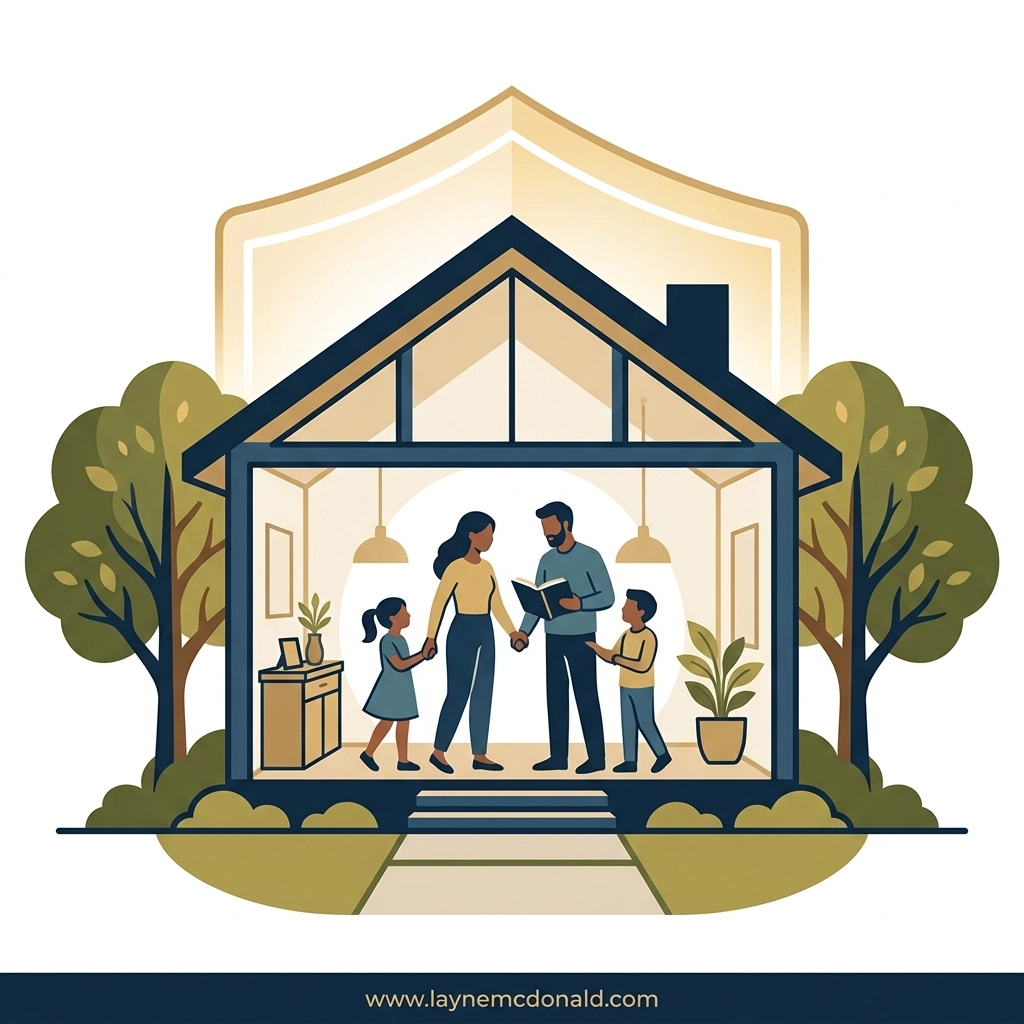
Leadership and Faith-based Leadership How do you build a safe faith home that protects your children in an increasingly complex world? The proven safe faith home framework is a comprehensive system that integrates physical safeguards in religious environments, robust digital monitoring, and a foundation of emotional grace. By combining these elements, parents can create a sanctuary where children are not only protected from external threats but are also spiritually anchored to navigate life with confidence and integrity. In our current culture, parenting requires more than just good intentions; it requires a strategic, faith-integrated leadership approach. We are moving away from secular, algorithm-driven advice and toward a model of stewardship that treats every child as a priceless gift from God. This framework isn't about building walls of fear; it’s about building foundations of trust, safety, and wisdom.  Physical Safeguards in Religious Settings  When we take our children to church or religious events, we often assume they are in the safest place on earth. While faith communities should be sanctuaries, leadership requires us to verify the safety protocols in place. A safe faith home framework extends beyond the four walls of your house and into every environment where your children spend time. The first step in vetting any religious institution is requesting their Child Protection Policy. A professional, faith-integrated leadership team will always have clear, written guidelines. These should include mandatory background checks for all volunteers and staff, but the gold standard remains the "Rule of Two." This rule ensures that no child is ever alone with a single adult in a private setting. Whether it’s a classroom, a counseling session, or a volunteer activity, there must always be two authorized adults present or a clear line of sight from a public hallway. As parents, we must lead by example in these settings. If you notice a "blind spot" in a facility or a lapse in protocol, speak up with kindness and clarity. Protecting the vulnerable is a core tenet of loving like Jesus. By insisting on these standards, you aren't just protecting your own family; you are helping to foster a culture of safety for every child in the community.  The Digital Wall: Bark vs. Covenant Eyes  In the digital age, the "front door" of your home is no longer the only entry point for influence. Our children carry the entire world in their pockets. Part of the Safe Faith Home Framework involves what we call the Great Digital Disconnect: moving away from secular, unmonitored content and toward intentionality. Two of the most popular tools for digital safety are Bark and Covenant Eyes. While both are excellent, they serve different primary functions. Bark is designed as a comprehensive monitoring tool. It uses AI to scan text messages, emails, and social media for signs of bullying, depression, or inappropriate content. It doesn't necessarily block everything, but it alerts parents to potential issues, allowing for a conversation rather than just a restriction. Covenant Eyes, on the other hand, is built on the foundation of accountability. It uses screen accountability technology to monitor activity and send reports to an "integrity partner." For Christian families, this is often a vital tool for older children and adults to maintain purity and transparency. Within our framework, we recommend using these tools not as "spying" devices, but as safety equipment. Just as a helmet protects a cyclist, these tools protect a young mind from content they are not yet equipped to process. The key is communication. Tell your children: "I love you too much to leave you alone in the digital world. These tools are here to help us stay safe together." Digital safety is a leadership task that requires us to be proactive, not reactive.  Emotional Safety and the Culture of Grace  A home can be physically and digitally secure, but if it is not emotionally safe, a child will eventually look for refuge elsewhere. The Safe Faith Home Framework prioritizes grace over fear. This means creating an environment where children feel secure being honest about their doubts, their failures, and their confusion without the fear of losing your love or approval. When a child struggles or makes a mistake, our response as faith-integrated leaders should emphasize restoration. If the relationship is always at stake based on their performance, they will learn to hide their true selves. This creates a "fractured identity." Instead, we want to build a "integrated identity" where they know they are a priceless child of God, regardless of their current struggle. Practice "heart check" conversations. Ask questions like, "Is there anything you feel like you can't talk to me about?" or "What is something you’re worried about that we haven't discussed?" By listening more than we speak, we build the emotional bridge that allows our children to come to us when they encounter real-world dangers.  Spiritual Anchoring through Rituals and Routines  Predictability creates security. In a world that is constantly changing, a safe faith home provides spiritual anchors through daily and weekly routines. These practices move children out of "survival mode": where they are constantly reacting to the world: and into "thriving mode," where they can reflect on their identity and calling. These anchors don’t have to be complex. It could be a simple prayer before the school bus arrives, a weekly family Sabbath meal where phones are put away, or reading the Bible together at dinner. These rituals signal to your children that no matter what happens "out there," our family is anchored in something eternal "in here." These routines are also the perfect time to teach stewardship. Teaching children how to care for their belongings, budget their money, and serve others is a form of spiritual protection. It prepares them for the responsibilities of adulthood and gives them a sense of purpose that protects them from the emptiness of secular consumerism.  Takeaway / Next Step  Building a Safe Faith Home is a journey of intentional leadership and constant course correction. Your next step is to conduct a "Safety Audit" of your home this week. Check your digital boundaries, review the safety policies of the organizations your children attend, and most importantly, have a heart-to-heart conversation with your kids. Ask them where they feel safest and where they feel worried. Use their answers to guide your leadership. Remember, the goal is to love like Jesus: providing a refuge that is both firm in its boundaries and infinite in its grace. For more resources on leadership and faith-integrated parenting, reach out to me on the site. visiting helps raise funds for families who lost children at no cost. The Team Layne McDonald Founder, Director https://www.laynemcdonald.com Need prayers? Text us day or night at 1-901-213-7341.

the-proven-safe-faith-home-framework-for-protecting-your-children

Dr. Layne McDonald
Creative Pastor • Filmmaker • Musician • Author
Memphis, TN

  • Apple Music
  • Spotify
  • YouTube
  • TikTok
  • Instagram
  • Facebook
  • LinkedIn
  • X

© 2026 Layne McDonald. All Rights Reserved.

bottom of page