5 AM Peace Brief: What the World Got Right This Week
- Layne McDonald
- Feb 21
- 5 min read

Good morning. Before you scroll through another feed full of what's broken, let's talk about what got built this week.
In a world that moves at a breakneck pace and where bad news travels faster than good, it's easy to miss the moments when people actually sit down at tables together and choose diplomacy over destruction. This week gave us two of those moments: and they're worth waking up early for.
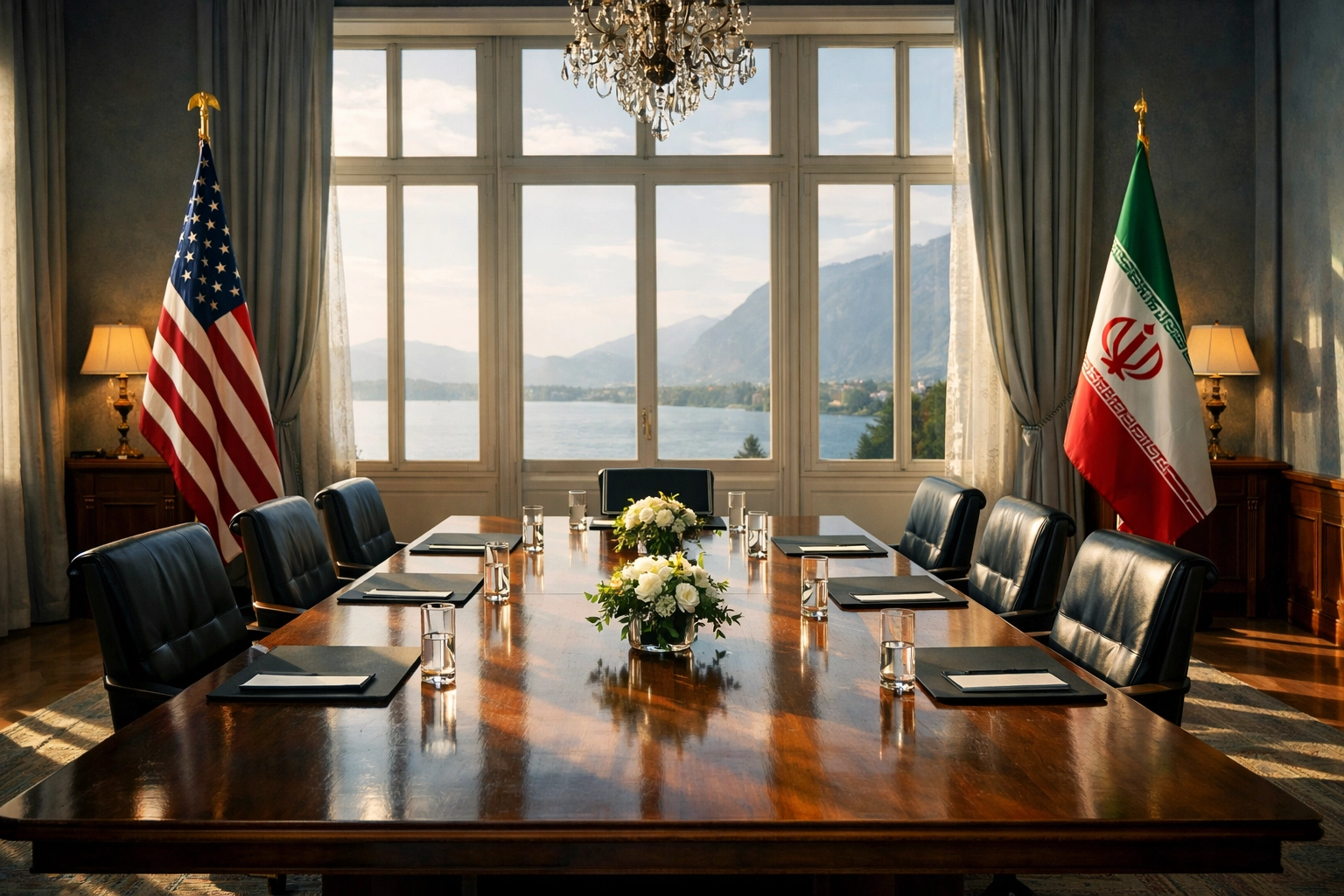
The Facts: Two Tables, Two Breakthroughs
Nuclear talks between the United States and Iran moved forward. The two nations completed a second round of nuclear negotiations in Geneva this week, with both sides announcing they've agreed on guiding principles for a potential deal. Iran's foreign minister expressed cautious optimism about the progress: a significant development given the history of tension between these countries.
This achievement is particularly notable because it came despite recent friction, including Iran's temporary closure of the Strait of Hormuz. The fact that both parties remained at the negotiating table shows a commitment to finding a path forward through conversation rather than confrontation.
President Trump's Board of Peace held its first official meeting to address Gaza reconstruction. Member states pledged $5 billion toward rebuilding efforts in Gaza. This initial financial commitment represents concrete action toward reconstructing infrastructure following the ceasefire that President Trump facilitated in October 2025.
The Board of Peace convening marks the beginning of what promises to be a long rebuilding process. The $5 billion pledge is an opening commitment, with the understanding that sustained reconstruction will require ongoing international cooperation and resources.

Both developments represent renewed diplomatic engagement on two of the Middle East's most significant challenges. They demonstrate that negotiation and international cooperation continue to happen alongside: and sometimes in spite of: political tensions.
The Lens: When Peacemakers Sit Down
Here's what the world needs to understand: peace isn't a feeling. It's a choice that gets made at tables like these, one conversation at a time.
Jesus said, "Blessed are the peacemakers, for they will be called children of God" (Matthew 5:9). He didn't say "blessed are the peace-wishers" or "blessed are those who post about peace on social media." He said peacemakers: people who actually do the hard, unglamorous work of building bridges.
This week, we saw people make that choice twice.
In Geneva, U.S. and Iranian diplomats chose to keep talking even when it would have been easier to walk away. They chose to find guiding principles instead of drawing battle lines. That's not weakness: that's the kind of strength Scripture calls us to: "If it is possible, as far as it depends on you, live at peace with everyone" (Romans 12:18).
The Board of Peace meeting carries the same DNA. Five billion dollars isn't just a number on a ledger: it's a statement of intention. It says, "We're going to rebuild what was broken. We're going to invest in homes and infrastructure and hope." That's the kind of practical love that James talks about when he writes, "Suppose a brother or a sister is without clothes and daily food. If one of you says to them, 'Go in peace; keep warm and well fed,' but does nothing about their physical needs, what good is it?" (James 2:15-16).
From an Assemblies of God perspective, these developments reflect the heart of God for reconciliation and restoration. Our faith teaches that God is in the business of making all things new (Revelation 21:5), and that includes nations, relationships, and war-torn regions. When we see diplomacy succeeding and reconstruction beginning, we're witnessing human cooperation with God's redemptive purposes.
The Holy Spirit moves through people who choose peace. That's not theological abstraction: it's historical reality. Every ceasefire, every treaty, every dollar pledged toward rebuilding is evidence that God hasn't given up on humanity's capacity to choose better.
Does this mean everything is fixed? Of course not. Iran and the U.S. have a long history and a complicated road ahead. Gaza's reconstruction will take years, and the political situation remains fragile. But the Kingdom of God doesn't arrive all at once: it advances one faithful step at a time.
The Response: What Peacemaking Looks Like From Your Seat
So what do we do with news like this? Here are three practical responses:
First, pray for these negotiators by name. The diplomats in Geneva and the leaders on the Board of Peace are carrying enormous weight. They're navigating centuries of mistrust, political pressure from all sides, and the knowledge that their decisions affect millions of lives. Scripture tells us to pray for those in authority (1 Timothy 2:1-2). So pray for wisdom, protection, and perseverance for every person at those tables.
Need prayers? Text us day or night at 1-901-213-7341.
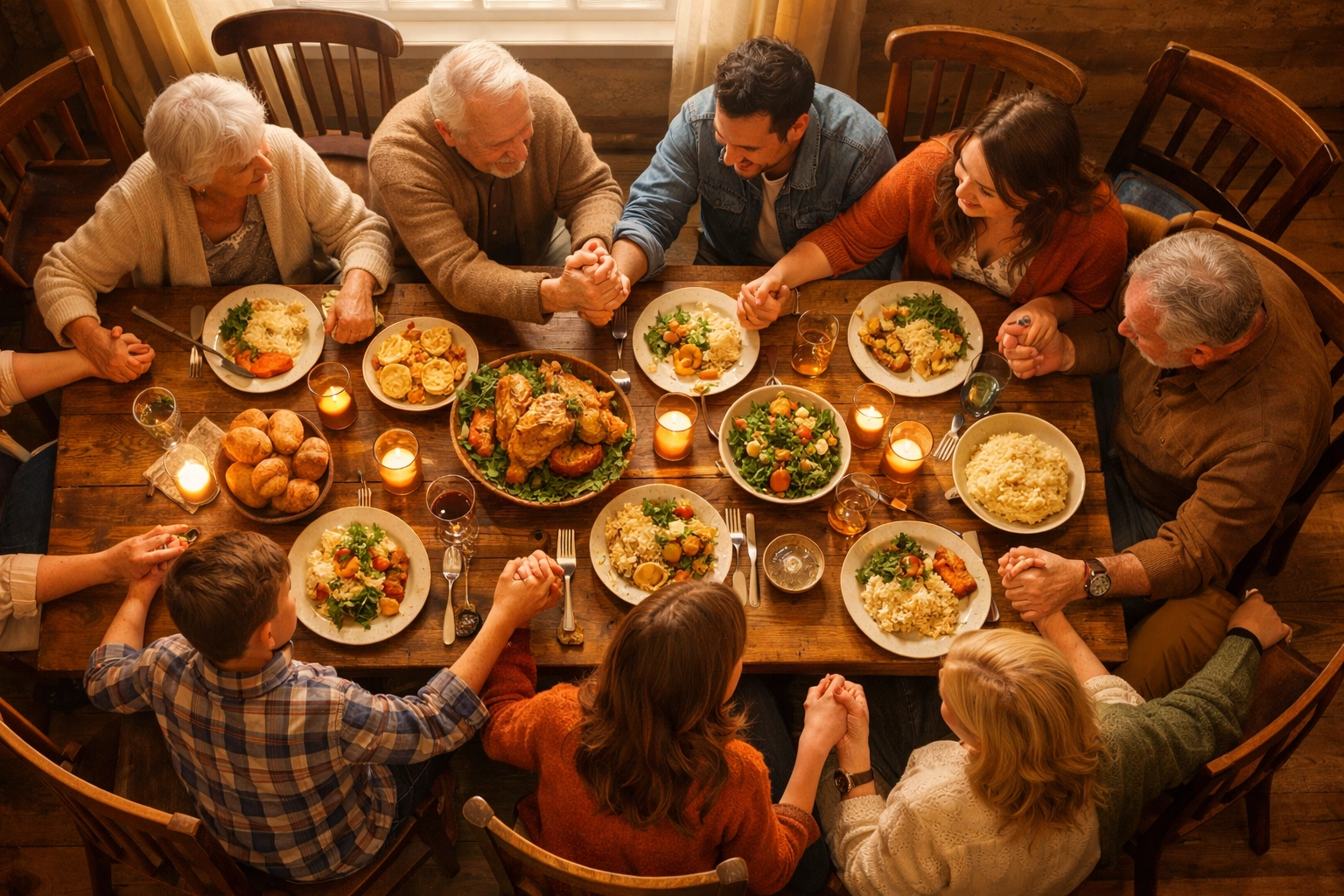
Second, look for your own table. Most of us won't broker international peace deals, but every one of us has relationships that need diplomacy. Maybe it's a family member you haven't spoken to in years. Maybe it's a coworker with different politics. Maybe it's a neighbor from a different background. The same principles apply: choose to stay at the table, look for common ground, be willing to rebuild.
Peacemaking at the kitchen table prepares the church to be peacemakers in the world. If we can't reconcile with our brother we can see, how will we pray effectively for the reconciliation of nations we can't see (1 John 4:20)?
Third, support the work of restoration. The $5 billion pledged to Gaza is a starting point, but sustained reconstruction requires sustained support. Whether it's organizations working in conflict zones, ministries focused on reconciliation, or relief agencies rebuilding infrastructure: find a way to contribute. Your dollars, your voice, your prayers all matter.
The Assemblies of God has a long history of humanitarian work in crisis regions, understanding that the Gospel comes with hands and feet attached. As believers filled with the Holy Spirit, we're called to be agents of healing in a broken world.
This week reminded us that the world hasn't given up on peace. When powerful nations choose diplomacy over destruction, when international bodies commit billions to rebuilding instead of bombing, when people pick up the phone instead of weapons: that's the image of God reflected in human choices.
It's not perfect. It's not complete. But it's movement in the right direction, and that's worth celebrating at 5 AM.
Moving Forward Together
The negotiations in Geneva will continue. The reconstruction of Gaza will take time. These are marathon efforts, not sprint victories. But this week showed that the marathon is still being run, and that matters.
In a world that often feels stuck in cycles of violence and retaliation, weeks like this one remind us that another way is possible. Tables can be set. Conversations can happen. Billions can be pledged to building instead of breaking. Peace can be made, one principle and one dollar at a time.
That's the world we're praying into existence: not because we're naive optimists, but because we serve a God who specializes in resurrection, restoration, and reconciliation.
Share this to bring a little hope to someone's day. Because in a news cycle dominated by what's going wrong, sometimes the most revolutionary act is to pay attention to what's going right.
Source: U.S.-Iran nuclear negotiations reporting; Board of Peace meeting coverage

$50
Product Title
Product Details goes here with the simple product description and more information can be seen by clicking the see more button. Product Details goes here with the simple product description and more information can be seen by clicking the see more button

$50
Product Title
Product Details goes here with the simple product description and more information can be seen by clicking the see more button. Product Details goes here with the simple product description and more information can be seen by clicking the see more button.
$50
Product Title
Product Details goes here with the simple product description and more information can be seen by clicking the see more button. Product Details goes here with the simple product description and more information can be seen by clicking the see more button.
Comments