
7 Mistakes Christian Parents Are Making with Teen Media Exposure (and How to Fix Them)
- Dr. Layne McDonald
- Dec 21, 2025
- 5 min read

Christian parenting in the digital age feels like navigating uncharted territory. One day your teenager seems grounded in their faith, and the next they're questioning everything after encountering toxic content online. You want to protect them, but you also know they need to develop spiritual maturity for the real world.
The truth is, most Christian parents are making well-intentioned mistakes that actually leave their teens more vulnerable to digital dangers. Instead of building resilient, Christ-centered young adults, these common pitfalls create resentment, secrecy, and spiritual confusion.
Here are seven mistakes you might be making: and practical ways to fix them before it's too late.
Mistake #1: Attempting to Completely Remove Teens from Digital Spaces
The Problem
Your protective instincts are understandable, but complete digital isolation often backfires spectacularly. Teens who are completely cut off from online spaces frequently experience:
• Increased resentment toward parents and faith • Social isolation from peers • Complete unpreparedness for adult digital life • Rebellion when they finally gain access
Think about it: when your teenager leaves home, they'll encounter the digital world without any guided experience or spiritual framework for navigating it.
The Solution
Instead of building walls, equip your teens with spiritual discernment. Jesus didn't remove His disciples from the world: He prepared them to engage it with wisdom and faith.
Start by creating "guided digital experiences" where you explore online content together. When your teen encounters challenging material, use it as a teaching moment. Ask questions like:
• "What does this content value most?" • "How does this align with what we believe as followers of Christ?" • "What might God want us to learn from this situation?"
This approach builds the internal compass they'll need for life.

Mistake #2: Failing to Model Healthy Digital Habits
The Problem
Teenagers are incredibly observant. They notice when you scroll through your phone during family dinners, check notifications while they're trying to talk to you, or prioritize screen time over face-to-face connection.
Your actions teach them that digital engagement matters more than real relationships: the exact opposite of what you're trying to instill.
The Solution
Demonstrate the healthy boundaries you want to see. This means:
• Putting devices away during meals and conversations • Showing genuine presence with your family • Taking regular breaks from social media • Being transparent about your own digital struggles
When your teen sees you choosing relationship over screen time, they learn that real connection has value worth protecting.
Mistake #3: Approaching Conversations with Judgment Rather Than Open Dialogue
The Problem
When your teenager encounters cyberbullying, inappropriate content, or struggles with comparison and inadequacy online, they need to know they can come to you safely. A judgmental response teaches them to hide their struggles rather than seek guidance.
Consider this: if your teen faces online harassment and your first response is criticism about their platform choice, what are they learning? That their pain matters less than your rules.
The Solution

Create a safe space built on grace and trust. When your teen shares something concerning, respond with curiosity and compassion:
• "That sounds really difficult. How did that make you feel?" • "Thank you for trusting me with this. Let's figure out how to handle it together." • "What kind of support do you need right now?"
This foundation of trust is essential for maintaining open communication about their digital experiences.
Mistake #4: Neglecting to Teach Media Literacy Through a Faith Lens
The Problem
Many Christian parents focus solely on monitoring or restricting content without teaching critical thinking skills. Without spiritual discernment abilities, your teens won't be equipped to make wise decisions independently.
They need to understand not just what to avoid, but why certain content is harmful and how to identify manipulation, lies, and worldly values disguised as truth.
The Solution
Help your teenager develop biblical critical thinking skills. Teach them to evaluate media by asking:
• Who benefits from this content financially or politically? • Does this align with biblical truth about identity, relationships, and purpose? • What values is this promoting, and are they God-honoring? • How does this content make me feel about myself and others?
Practice this together with movies, social media posts, advertisements, and news articles. As Romans 12:2 reminds us, transformation happens through the renewal of our minds.

Mistake #5: Not Establishing Regular Digital Sabbath Times
The Problem
In our hyperconnected world, teens rarely experience the peace that comes from stepping away from screens. Without regular tech-free periods, they may develop an unhealthy dependence on digital validation and constant stimulation.
This creates anxiety, sleep problems, and difficulty engaging in meaningful offline relationships and activities.
The Solution
Create regular digital sabbath times: designated periods where your family disconnects from devices. These aren't punishments but sacred spaces for reconnection.
Use this time for:
• Family prayer and devotions • Outdoor activities and exercise • Meaningful conversations without distractions • Community service projects • Creative pursuits like art, music, or writing
These boundaries help your teens experience the restorative benefits of unplugging and establish sustainable habits for life.
Mistake #6: Failing to Ground Teens in Their Identity in Christ
The Problem
Social media consistently sends the message that worth comes from likes, followers, appearance, and online validation. This might be the most damaging mistake because it leaves your teens vulnerable to believing their value depends on external metrics.
When teenagers don't have a solid foundation in their identity as God's beloved children, they become sitting ducks for comparison, inadequacy, and the endless pursuit of digital approval.
The Solution
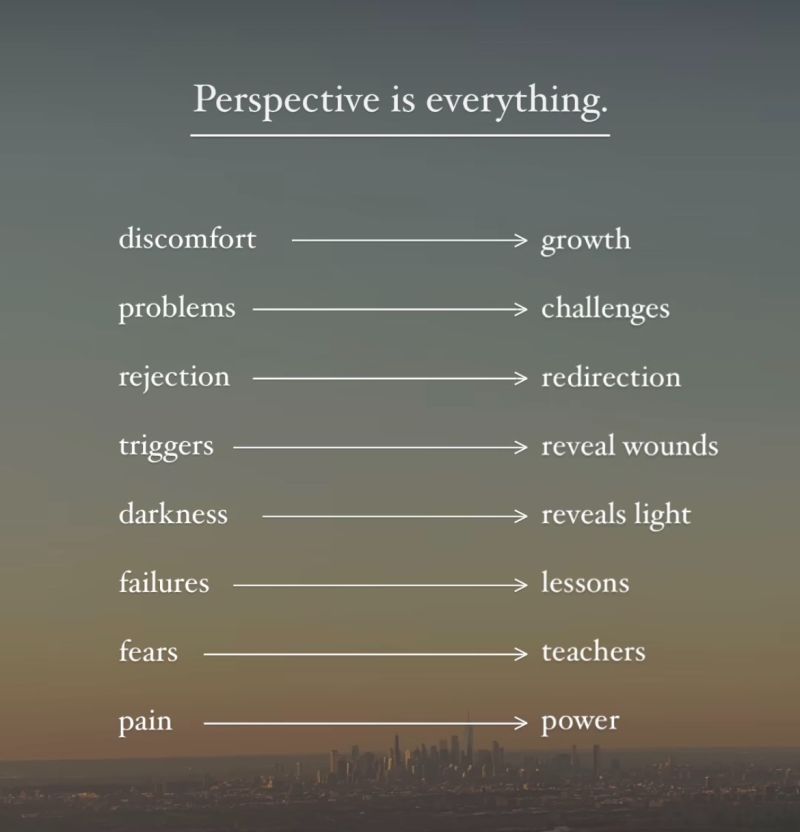
Help your teenagers cultivate an unshakeable sense of identity rooted in God's love. This requires consistent, intentional effort:
• Regularly remind them of their inherent value in Christ's eyes • Celebrate character growth over achievement or appearance • Share specific ways you see God working in their lives • Connect their struggles to biblical stories of God's faithfulness • Pray with them about their insecurities and fears
When your teen's identity is anchored in Christ, social media becomes a tool they can use rather than a source of validation they desperately need.
Mistake #7: Waiting for Crisis Instead of Taking Preventive Action
The Problem
Too many parents wait until serious problems develop before addressing their teen's relationship with technology and media. By then, patterns of unhealthy behavior, damaged self-esteem, or compromised friendships may already be entrenched.
Your parental instincts exist for a reason. When something feels wrong with your teen's mental health or digital habits, that's God-given intuition worth heeding.
The Solution
Take preventive action seriously:
• Address concerns early rather than hoping they'll resolve themselves • Stay informed about your teen's digital life without being invasive • Maintain ongoing conversations about media use and its effects • Seek professional help when needed without shame • Model the kind of emotional and spiritual health you want to see
Preventive action demonstrates your commitment to their wellbeing and shows that you're engaged in their spiritual and emotional development.

Moving Forward: Building Digital Disciples
These mistakes are common because parenting teenagers in the digital age is genuinely challenging. The key is recognizing that your goal isn't perfect control: it's raising young adults who can navigate the world with wisdom, discernment, and unshakeable faith.
Your teenager will encounter challenging content, face peer pressure, and wrestle with questions about their identity and purpose. But when you've equipped them with spiritual maturity, healthy boundaries, and open communication, they'll be prepared to handle these challenges as growing disciples of Christ.
Remember, the same God who calls you to parent with wisdom is also working in your teenager's heart. Trust the process, stay engaged, and keep pointing them toward the One who loves them more than you ever could.
Ready to dive deeper into faith-based parenting strategies that actually work? Visit Layne McDonald Ministries to discover coaching resources, books, and practical tools designed to help Christian families thrive in today's complex world. Don't navigate this journey alone( let's build stronger families together.)
Comments