A House for Everyone: The Anglican G26 Restructuring
- Dr. Layne McDonald
- Mar 8
- 5 min read

Change is rarely easy, especially when it involves traditions that have stood for centuries. But sometimes, a house needs more than a fresh coat of paint; it needs a structural rethink to ensure everyone inside has a seat at the table.
This past week, from March 3 to March 6, 2026, the landscape of global Christianity shifted. Conservative Anglican leaders gathered in Abuja, Nigeria, for a meeting that many are calling a "new Reformation." The result? The formation of the Global Anglican Council, often referred to as the G26 restructuring.
At The McReport, we want to look past the headlines and understand what this means for the global Body of Christ. Whether you are Anglican, Pentecostal, or just someone looking for spiritual clarity, this move signals a major shift in how the church governs itself and stays true to its foundations.
The Facts: What Happened in Abuja?
For years, the Anglican Communion has been held together by four "Instruments of Communion," with the Archbishop of Canterbury at the center. However, tensions over doctrine and Scripture have been simmering for decades.
In Abuja, 436 delegates from 48 countries representing over 180 dioceses decided it was time for a change. They dissolved the old GAFCON Primates Council and replaced it with the Global Anglican Council.
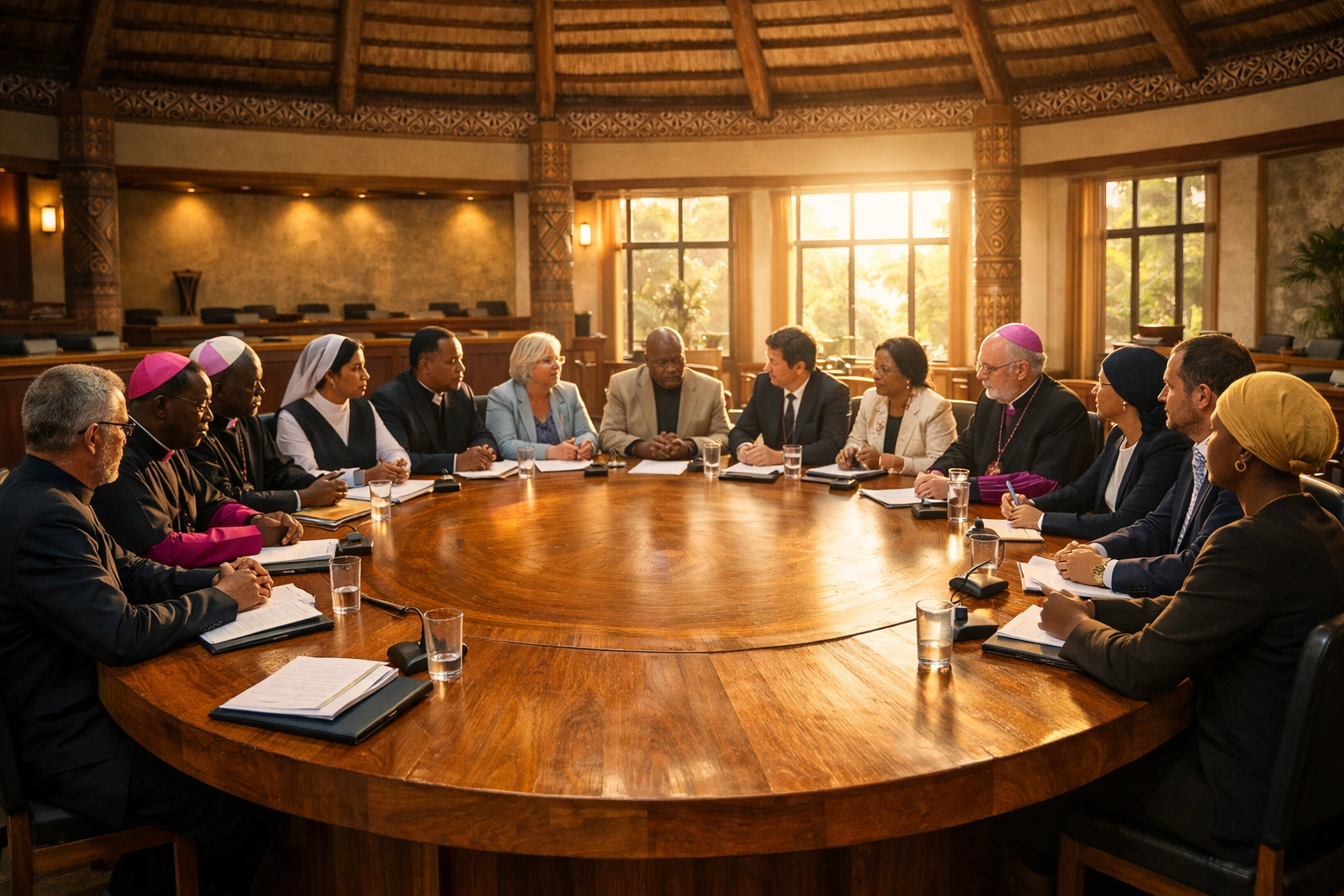
This isn't just a name change. It is a complete structural overhaul. Under the old system, authority was largely held by the Primates (top bishops). The new G26 structure intentionally includes primates, advisers, and guarantors, which includes bishops, clergy, and lay members.
Crucially, every member of this new council has full voting rights. The new chairman, Archbishop Laurent Mbanda of Rwanda, won’t be a "first among equals" in the traditional sense. Instead, he will lead through a conciliar structure, meaning the decisions are made together, not just from the top down.
The move is being called "principled disengagement" from the historic structures in Canterbury. These leaders have made it clear: they are not leaving the Anglican faith; they are simply restructuring how they walk it out together, focusing on shared doctrine rather than institutional history.
A Balanced View: Two Sides of the Same Coin
To understand this move, we have to look at the "why" from both sides. There is no need for mocking or tribalism here; both sides believe they are doing what is best for the future of the church.
On one hand, the leaders in the G26 feel that the Church of England and the Archbishop of Canterbury have drifted from the authority of Scripture. Specifically, they point to recent decisions regarding the blessing of same-sex couples and the "Living in Love and Faith" process. For these conservative leaders, these weren't just "differences of opinion", they were departures from the historic faith that the church is called to guard.
On the other hand, those within the traditional Canterbury-based structures emphasize the value of institutional unity. They believe that the "Instruments of Communion" allow for a "big tent" where people can disagree on difficult issues while still sharing the same table. For them, the G26 move might feel like a fracture in a 500-year-old family tree.
The G26 leaders, however, argue that unity is impossible without a shared foundation. They believe that by restructuring now, they are actually preserving the "house" for the next generation, ensuring it is built on the solid ground of the Bible rather than the shifting sands of institutional politics.

The Biblical Lens: A Pentecostal Perspective
As we look at this through our own lens here at The McReport, specifically from an Assemblies of God (AG) and Pentecostal background, there is a lot to appreciate about this restructuring.
In the AG, we have always valued the "priesthood of all believers." We believe that the Holy Spirit doesn't just speak to the people in the tallest hats; He speaks to the whole Body. When the G26 includes the laity (the everyday church members) and clergy in their governance with full voting rights, it echoes the New Testament model found in the Book of Acts.
In Acts 15, when the early church had to make a massive decision about the direction of the faith, it wasn't just one person making the call. The apostles and elders met, and the "whole church" was involved in the process (Acts 15:22).
We also hold a high view of Scripture. For us, the Bible is the final authority on all matters of faith and conduct. Seeing a group of leaders willing to sacrifice institutional prestige to protect doctrinal purity is something many in the Pentecostal movement can respect. We believe that when a church honors the Word, it makes room for the Holy Spirit to move in power.
Restructuring is often a form of "divine pruning." Jesus told us in John 15 that the Father prunes the vine so that it may bear more fruit. While pruning is painful and looks like a loss, the goal is always health, growth, and a stronger harvest.

A Calm Next Step: Pray, Discern, Serve
When big shifts like this happen in the global church, it’s easy to feel anxious or get caught up in the debate. But as followers of Christ, our call is to remain steady.
First, we pray. We pray for Archbishop Laurent Mbanda and the new council. We pray for the leaders in Canterbury. We pray for the millions of Anglicans around the world who might feel caught in the middle. Leadership is a heavy burden, and they need the wisdom of the Holy Spirit to navigate these new waters.
Second, we discern. This story reminds us that we should all know what we believe and why we believe it. Take time this week to get back into the Word. Ask yourself: Is my faith built on a relationship with Christ and His Word, or just on the habit of attending a building?
Third, we serve. No matter what is happening at the high levels of global church governance, your neighbor still needs to see the love of Jesus. Your local community still needs the hands and feet of Christ. Don't let global news distract you from local mission.

A House Built for the Future
The G26 restructuring is a bold move toward a "House for Everyone" where truth and participation go hand in hand. It is a reminder that the Church is not a museum to be preserved, but a living, breathing Body that must sometimes change its shape to stay true to its Heart.
We serve a God who is constantly doing a new thing. Even in the midst of restructuring and disagreement, we can have hope because Jesus promised that He would build His Church, and the gates of hell would not prevail against it.
The structures may change, the names of the councils may shift, but the Gospel remains the same: Jesus Christ is Lord, and He is calling a people to Himself from every nation, tribe, and tongue.
Need prayers? Text us day or night at 1-901-213-7341.
Follow for more Christ-centered clarity on today’s biggest questions at laynemcdonald.com.
Source: GAFCON, Church Times, Global Anglican Communion Communiqué (March 2026).

$50
Product Title
Product Details goes here with the simple product description and more information can be seen by clicking the see more button. Product Details goes here with the simple product description and more information can be seen by clicking the see more button

$50
Product Title
Product Details goes here with the simple product description and more information can be seen by clicking the see more button. Product Details goes here with the simple product description and more information can be seen by clicking the see more button.
$50
Product Title
Product Details goes here with the simple product description and more information can be seen by clicking the see more button. Product Details goes here with the simple product description and more information can be seen by clicking the see more button.
Comments