
A Steady Heart in Shifting Sands: Discerning the Iran Conflict
- Dr. Layne McDonald
- Mar 10
- 5 min read

Updated: May 5
It feels like the world shifted on its axis over the last few weeks. If you’ve been scrolling through your news feed lately, you’ve likely felt that tightening in your chest: the kind that comes when the headlines move from "concerning" to "catastrophic."
At The McReport, we believe that staying informed shouldn't mean staying anxious. We’re here to help you look at the heavy news of the day through a lens of faith, keeping our hearts steady even when the sands beneath our feet are shifting.
Today, we need to talk about the escalating conflict in Iran. It is a complex, rapidly evolving situation that involves global powers, ancient tensions, and very real human lives.
The Facts: What is Happening?
On February 28, 2026, the geopolitical landscape of the Middle East underwent a massive transformation. Joint U.S. and Israeli forces launched "Operation Epic Fury," a coordinated campaign involving nearly 900 strikes against Iranian military infrastructure.
The scale of this operation was unprecedented. The Israeli Air Force alone struck 500 targets using approximately 200 fighter jets, marking its largest combat sortie in history. These strikes targeted air defenses, missile sites, and leadership hubs in cities like Tehran, Isfahan, and Qom.
The most significant immediate outcome was the death of Supreme Leader Ayatollah Ali Khamenei. In the wake of his death, an Interim Leadership Council was formed, and his son, Mojtaba Khamenei, has been named as his successor. This transition of power is happening under the heaviest military pressure the regime has ever faced.
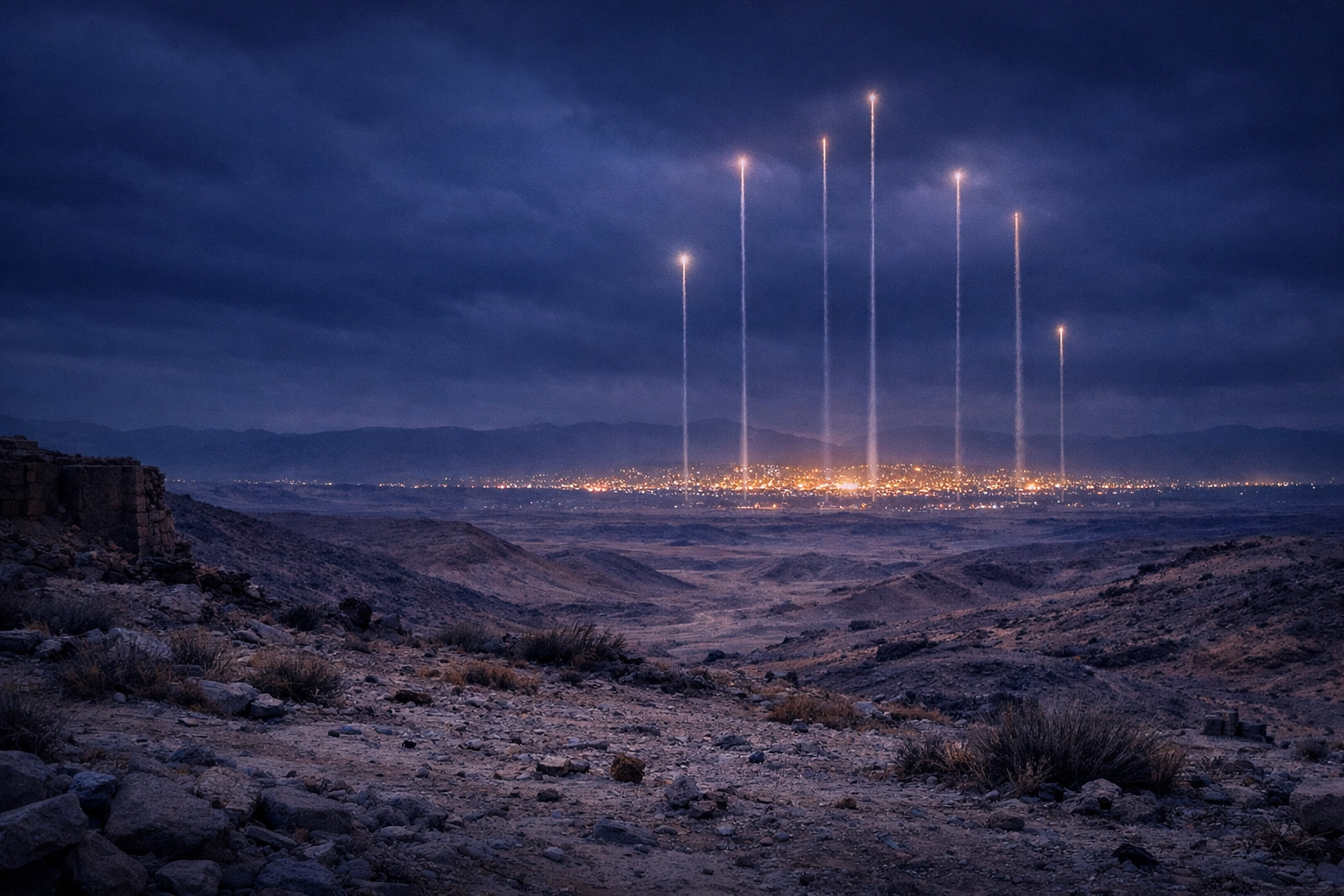
The retaliation was swift. Iran and its proxies, including Hezbollah, have launched over 500 ballistic missiles and nearly 2,000 drones. While many were aimed at Israel and U.S. forces, we have seen a strategic shift. Iran has increasingly targeted Gulf states, specifically the UAE. This has caused massive economic disruption, with vessel traffic through the Strait of Hormuz: a vital artery for global energy: dropping by an estimated 90%.
The human cost is also mounting. Reports indicate significant casualties, including a tragic incident where a missile struck a girls' school near a naval base in Bandar Abbas, resulting in over 160 deaths. While responsibility for that specific strike is disputed, it underscores the devastating reality of high-intensity conflict in populated areas.
As of today, March 10, U.S. and Israeli forces continue to maintain air superiority, seeking to further degrade Iran’s ability to launch missiles, while the region braces for what might come next.
The Viewpoints: How is This Being Seen?
When a conflict reaches this level of intensity, it is rarely viewed through a single lens. There are two primary schools of thought emerging in the global conversation.
On one side, many military analysts and government officials see these strikes as a necessary and overdue defense. The argument is that the Iranian regime has spent decades funding proxies, destabilizing neighbors, and pursuing nuclear capabilities. From this perspective, "Operation Epic Fury" was a proactive measure to dismantle a repressive regime's ability to wage war, ultimately aiming to prevent a much larger, nuclear-armed conflict in the future. Proponents argue that the only way to achieve long-term peace is to remove the infrastructure of state-sponsored terror.
On the other side, humanitarian organizations and many international observers warn of the catastrophic human cost and the moral danger of a prolonged war. They point to the civilian casualties and the displacement of families as evidence that military solutions often create as many problems as they solve. There is a deep concern that this escalation could lead to a "forever war" that destabilizes the entire global economy and leads to a generation of resentment and radicalization. They argue for restraint and a return to diplomatic channels, fearing that we are on the brink of a regional disaster that no one can truly control.

The Lens: A Biblical Perspective
As followers of Christ, and specifically within our Assemblies of God tradition, we don’t look at these events merely as political movements. We look at them through the Word of God, seeking the guidance of the Holy Spirit.
The Bible doesn't shy away from the reality of "wars and rumors of wars," but it also gives us a clear mandate on how to carry ourselves in the midst of them.
First, we look to Matthew 5:9: "Blessed are the peacemakers, for they will be called children of God."
Peacemaking is not the same as passivity. It is an active, difficult work. In the current context, being a peacemaker means praying for solutions that value human life and seeking ways to de-escalate tension rather than fuel the fire of tribalism.
Second, we must heed the warning in James 1:20: "Human anger does not produce the righteousness that God desires."
In times of war, it is very easy to let our hearts be filled with anger: anger at "the enemy," anger at political leaders, or anger at the injustice of it all. But James reminds us that our raw, human anger rarely aligns with God’s heart. When we react out of fury, we often lose our ability to reflect the character of Christ.
From an AG perspective, we also lean into our commitment to prayer and the belief in the Second Coming. While we see the world’s distress as a sign of the times, it should not lead us to fatalism. Instead, it should urge us toward a greater urgency in sharing the Gospel of peace and practicing divine healing: not just for bodies, but for nations. We are called to be a "steady center" in a world of extremes.

The Response: Our Posture of Unity
So, how do we live this out? If we are to be the "steady center," our posture must be one of wisdom and restraint.
It’s easy to pick a side on social media and start shouting. It’s much harder to get on our knees and pray for the complex web of people involved in this crisis. We are called to pray for our leaders: both our own and those abroad: that they would exercise wisdom they do not naturally possess.
We pray for the protection of our troops who are in harm's way, and we pray equally for the Iranian people, many of whom are caught in the crossfire of a regime they did not choose and a war they do not want.
Our unity as Christians shouldn't be based on a political platform, but on our shared citizenship in the Kingdom of God. That Kingdom is not advanced by the sword, but by the Spirit.
The Calm Next Step
We don't want you to walk away from this post feeling overwhelmed. Information should lead to intercession, not agitation.
Your Next Step: Set aside just 10 minutes today for a focused time of prayer. Use these three points:
Pray for the Peace of Jerusalem: Ask for protection over the land and its people, and for a resolution that brings lasting security.
Pray for the Iranian People: Ask for God’s mercy over the innocent families in Tehran and beyond, and for the Gospel to flourish in the midst of hardship.
Pray for Our Troops and Leaders: Ask for the safety of those serving in the region and for the Holy Spirit to grant our commanders and diplomats extraordinary restraint and wisdom.
The world may feel like shifting sands right now, but we serve a God who is a Rock. He is not surprised by the headlines of 2026, and He is not distant from the suffering. Stay steady, stay prayerful, and keep your eyes on the One who holds the future.
Need prayers? Text us day or night at 1-901-213-7341.
Follow at LayneMcDonald.com for calm updates as this story develops.
Source: Reuters, AP, Institute for the Study of War.
Comments