Are You Caught Up? Here Are 5 Things You Should Know Before Coffee
- Dr. Layne McDonald
- Feb 23
- 5 min read

You stumble into the kitchen. Eyes barely open. That glorious pot is brewing, and in a few minutes, you'll pour yourself what might be the most important cup of your day. But before you take that first sip, let's talk about what's actually in your mug: and why it matters more than you think.
Coffee isn't just fuel. It's a ritual, a health choice, and for many of us, a small daily mercy we lean on. Here are five things you should know about your morning brew before you dive in.
1. Light Roast Actually Packs More Caffeine Than Dark
If you've been reaching for the darkest roast on the shelf thinking it'll give you the biggest jolt, you've been doing it backwards.
Contrary to what most people believe, lighter roasted coffee beans actually retain more caffeine than their darker counterparts. Why? Because the longer coffee is roasted, the more caffeine gets cooked right out of the bean. That deep, bold flavor you associate with dark roast? It's not caffeine: it's the result of longer roasting times that break down the bean's structure and develop those rich, smoky notes.
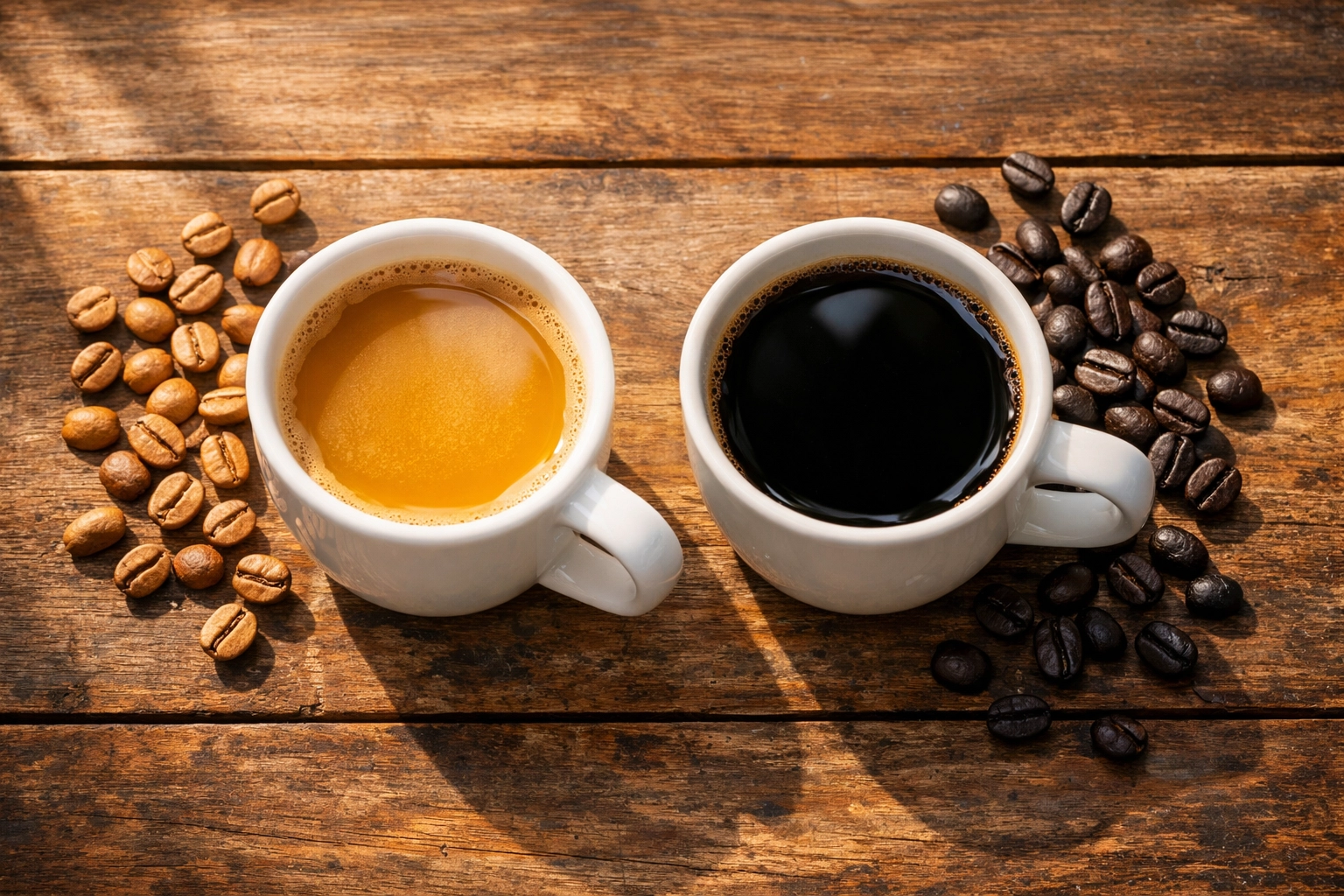
If you need maximum alertness for the day ahead, grab the blonde or light roast. It might taste brighter and more acidic, but it's delivering more of what you came for.
2. Decaf Isn't Actually Caffeine-Free
Here's one that catches a lot of people off guard: that "decaf" label doesn't mean zero caffeine.
A standard cup of regular coffee contains somewhere between 100 and 200 milligrams of caffeine. Decaf? It still contains around 10 milligrams per small cup. That's a big drop, sure, but it's not nothing. If you're trying to eliminate caffeine entirely: whether for health reasons, pregnancy, or just better sleep: you need to know that decaf still carries a trace amount.
For most people, 10 milligrams won't cause any issues. But if you're highly sensitive or drinking multiple cups of "decaf" throughout the day, those small amounts can add up.
3. Your Coffee Comes With Real Health Benefits
Let's pause for some good news: science is increasingly on coffee's side.
Research suggests that drinking coffee may lower the risk of several serious conditions, including various cancers, metabolic syndromes, kidney stones, Alzheimer's, Parkinson's, and coronary heart disease. That's not just folklore: that's documented, peer-reviewed research.

And here's a timing tip: drinking your coffee before noon appears to have the highest positive impact on reducing cardiovascular disease risk. So if you're a late-afternoon coffee drinker, you might want to rethink your schedule: not just for sleep quality, but for heart health too.
God designed our bodies with incredible complexity, and it turns out that this humble bean interacts with our systems in genuinely beneficial ways. Stewardship of our health includes making informed choices about what we consume. Coffee, enjoyed wisely, can be part of that stewardship.
4. Roast Level Changes More Than Just Color
You might think the difference between light and dark roast is just preference, but it's actually a totally different flavor experience.
Lightly roasted coffee beans tend to be more acidic and fruity. You'll taste brightness, citrus notes, sometimes even floral undertones. Darker roasts? They lean bitter, smoky, and heavy: with burnt flavor notes that come from extended heat exposure.
During roasting, coffee beans turn brown because of melanoidins, a type of polymer that forms under heat. The longer you roast, the more these compounds develop, which is why darker beans look almost charred and taste bolder.
Neither is "better." It's about what your palate prefers and what your body needs. If you want a gentler, more nuanced flavor, go light. If you want bold and full-bodied, go dark. Just remember: darker doesn't mean stronger in terms of caffeine.
5. How You Brew It Determines What You Get
The method you use to brew your coffee isn't just about convenience: it shapes the entire experience.
Pour-over methods produce a lighter-bodied brew. The water flows gently through the grounds, extracting flavor without overwhelming bitterness. It's clean, smooth, and often highlights the subtle notes in the bean.
Espresso machines, on the other hand, create darker, stronger coffee by forcing hot water through finely-ground beans under high pressure. The result? Concentrated flavor, thicker body, and a jolt that hits fast.
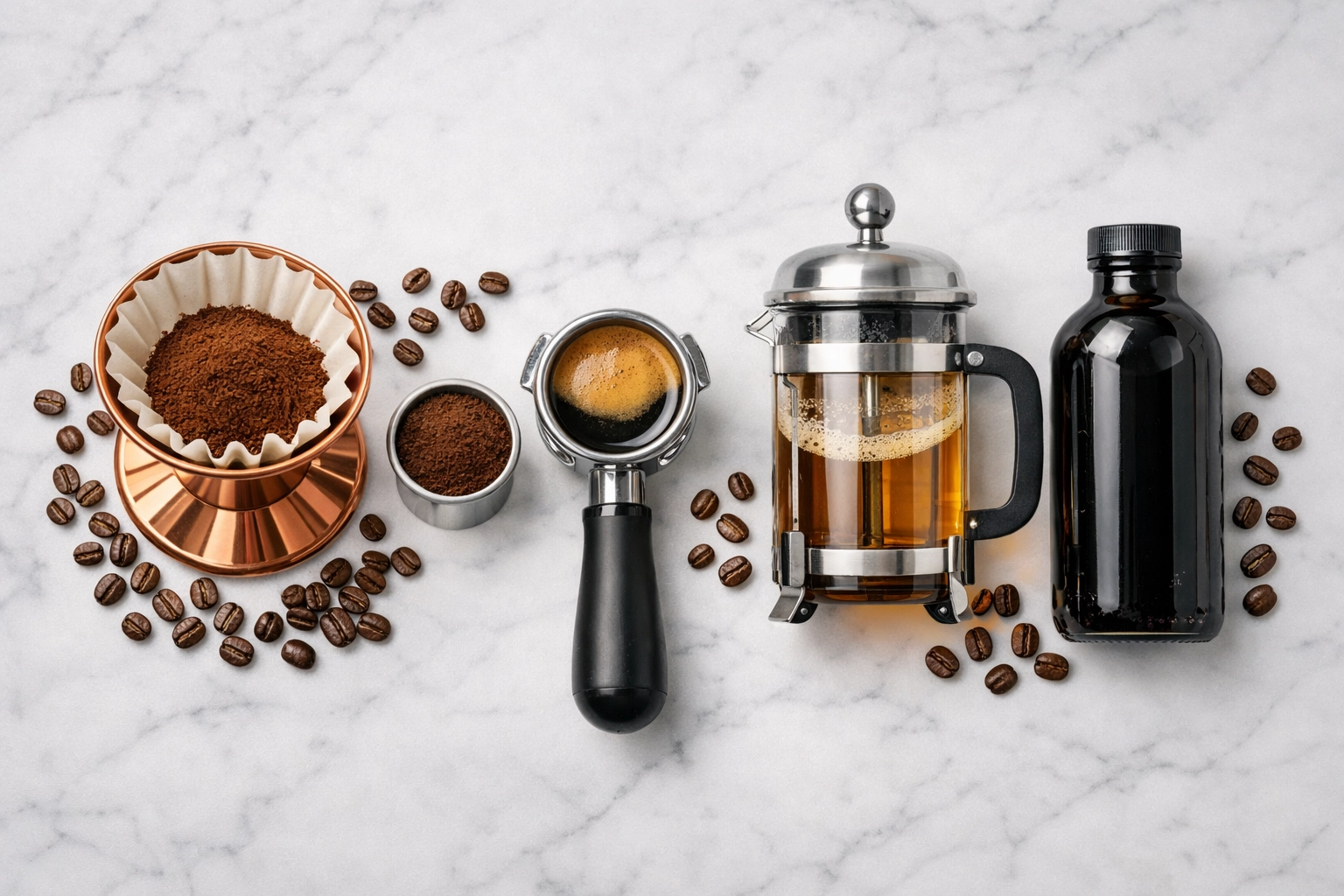
French press, cold brew, drip machines: they all extract different profiles from the same beans. Knowing how each method works helps you choose what fits your morning best.
A Biblical Lens on the Cup
All of this might feel like coffee nerd trivia, but it actually ties into something deeper: gratitude and stewardship.
Scripture reminds us that every good and perfect gift comes from above (James 1:17). Coffee: this little bean that travels across oceans, gets roasted with care, and ends up in your hands: is one of those gifts. It's easy to take it for granted. We gulp it down without thinking. But when we slow down and recognize the thought, science, and provision behind it, it becomes more than caffeine. It becomes an opportunity to say thank you.
Stewardship also means treating our bodies with wisdom. If coffee helps you function, great: but consume it in a way that honors your health. Don't lean on it so hard that you're masking exhaustion or ignoring rest. Don't abuse it to the point of anxiety or sleeplessness. Use it as a tool, not a crutch.
And if you're someone who's trying to cut back or quit entirely, don't feel guilty. Not everyone's body responds to caffeine the same way. Honoring your unique design is also part of faithful stewardship.
Practical Steps Forward
So what do you do with all this?
Choose your roast intentionally. If you need the caffeine, go lighter. If you love the flavor depth, go darker. Don't assume one is automatically better.
Check your timing. Drinking coffee before noon appears to maximize health benefits. If you're sipping at 4 PM just to stay awake, you might be setting yourself up for restless nights.
Know what's in decaf. If you're avoiding caffeine for medical reasons, talk to your doctor about whether even trace amounts matter for your situation.
Experiment with brewing methods. Try a pour-over if you've only ever used a drip machine. Taste the difference. You might discover a whole new appreciation for the ritual.
Give thanks. Before that first sip, pause. Recognize the gift. It's a small act, but it shifts your posture from entitlement to gratitude: and that changes everything.
The Invitation
Coffee is more than a habit. It's a moment. A choice. A chance to be intentional about how you fuel your body and start your day.
You don't have to be a purist or a snob. You just have to be awake: not just physically, but spiritually and emotionally. Pay attention to what you're putting in your body. Be grateful for the small mercies. And remember that even the simplest routines can become acts of worship when we approach them with the right heart.
Need prayers? Text us day or night at 1-901-213-7341.
Source: General coffee research and health studies
Comments