
Are You Making These 3 Fatal Mistakes with Christian Self-Betterment? (Perfectionism Isn't the Answer)
- Dr. Layne McDonald
- Feb 4
- 5 min read

Christmas shopping lists. New Year's resolutions. Pinterest-perfect holiday decorations. Sound familiar?
December hits, and suddenly we're all amateur life coaches, frantically trying to upgrade ourselves before the ball drops. But here's the thing – that shiny self-improvement package wrapped in Christian wrapping paper might actually be sabotaging your spiritual growth.
After years of counseling families and watching well-meaning believers chase after "better versions" of themselves, I've noticed three devastating mistakes that keep popping up like those inflatable lawn decorations that won't stay upright in the wind.

Mistake #1: Playing Holy Ghost Jr. (AKA The DIY Transformation Trap)
Remember when you tried to assemble that "easy" Christmas toy at 2 AM without reading the instructions? Yeah, that's exactly what happens when we attempt spiritual makeovers through pure willpower.
The first fatal mistake is believing you can bootstrap your way to holiness. You create detailed plans, set ambitious goals, and white-knuckle your way through behavior modification – all while treating the Holy Spirit like an optional accessory instead of your transformation partner.
Scripture Check: "It is God who works in you to will and to act in order to fulfill his good purpose" (Philippians 2:13). Notice it doesn't say "God helps those who help themselves" – that's actually Benjamin Franklin, not Jesus.
When we rely on self-effort alone, we're essentially telling God, "Thanks for the salvation package, but I've got the sanctification covered." It's like accepting a gift of a luxury car but insisting on pushing it everywhere instead of using the engine.
Mistake #2: The Comparison Christmas Carol
You know that moment when you scroll through social media during the holidays and suddenly your family traditions feel inadequate? Your cookies aren't Instagram-worthy, your decorations look like a toddler's art project, and your Christmas morning looks chaotic compared to those perfectly curated posts?

That's the second mistake in action: using others' highlight reels as your measuring stick for spiritual growth. Christian self-improvement often becomes an endless cycle of "not enough" – not praying enough, not reading enough Scripture, not serving enough, not patient enough with the kids during Christmas morning meltdowns.
This comparison trap creates what I call "spiritual FOMO" – Fear of Missing Out on the perfect Christian life everyone else seems to be living. But here's the reality check: those "everyone else" people are usually struggling with the same insecurities, just with better lighting and camera angles.
The Truth Bomb: God isn't comparing you to Susan from church who leads three Bible studies and bakes homemade bread. He's looking at your heart, not your performance metrics.
Mistake #3: Making Self-Improvement Your Savior
The third mistake is the sneakiest because it feels so righteous. We start pursuing growth, discipline, and positive changes – all good things! – but gradually these pursuits replace our dependence on Christ.
Your morning routine becomes your altar. Your productivity system becomes your scripture. Your achievement goals become your identity. Before you know it, you're worshipping at the church of self-optimization, with yourself as both priest and deity.
This idolatry often masquerades as spiritual maturity. "Look how disciplined I am! Look how much I've grown!" But when your joy depends on hitting your goals rather than resting in God's grace, you've traded the gospel for a performance-based spirituality that would make the Pharisees proud.
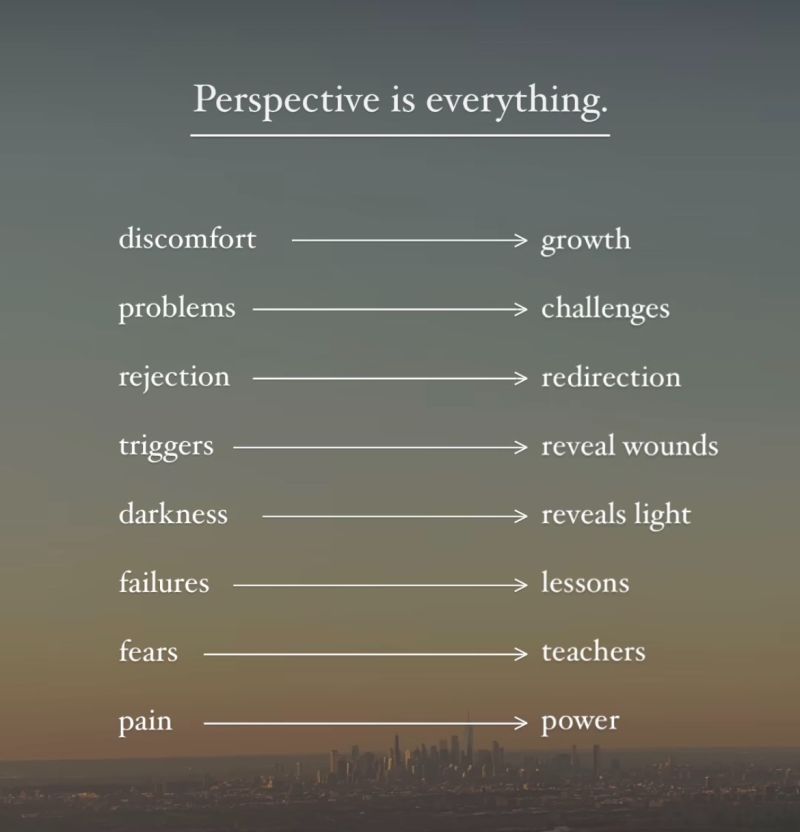
Why Perfectionism Isn't Your Friend
Here's where perfectionism enters the chat like that relative who shows up uninvited to Christmas dinner and criticizes everything.
Perfectionism promises that if you just try harder, plan better, and execute flawlessly, you'll finally achieve the satisfaction and acceptance you're craving. It's a beautifully wrapped box with absolutely nothing inside.
Christian perfectionism is particularly toxic because it takes biblical commands about holiness and twists them into impossible standards. When you fail to meet these self-imposed expectations (and you will), perfectionism doesn't offer grace – it offers condemnation disguised as motivation.
Scripture Reality Check: "There is now no condemnation for those who are in Christ Jesus" (Romans 8:1). Not "no condemnation for those who get their act together" – no condemnation, period.
Three Actionable Tips for Families This Christmas Season
1. Start Family "Grace Moments"
During your Christmas traditions, create space for acknowledging imperfections with humor and grace. When the cookies burn, the tree topples, or someone has a meltdown, pause and say, "Grace moment!" It teaches kids (and adults) that perfection isn't the goal – connection and love are.
This simple practice rewires your family's response to failure from shame to grace, modeling the heart of the gospel in everyday moments.
2. Practice "Progress Over Perfection" Prayers
Instead of praying for perfect behavior or flawless execution of your goals, pray for small steps forward. "God, help me respond with patience once today" is more achievable and sustainable than "God, make me never lose my temper again."
Teach your kids to celebrate small wins: "I shared my toy for five minutes," "I said please without being reminded," "I helped put away one dish." These micro-victories build momentum without the crushing weight of perfectionism.
3. Create a Family "God's Work in Progress" Journal
Throughout December and into the new year, keep a simple journal where family members can write or draw how they see God working in their lives – not through their achievements, but through His faithfulness, grace, and love.
Include entries about times when things didn't go as planned but God showed up anyway. This shifts the focus from "what we accomplished" to "how God is transforming us" – a much healthier foundation for growth.

The Beautiful Alternative
Real Christian growth happens when we stop trying to be the hero of our own transformation story and start being the beloved character in God's redemption narrative.
This doesn't mean becoming passive or abandoning goals – it means pursuing growth from a place of acceptance rather than striving for acceptance. It means letting the Holy Spirit do the heavy lifting while you show up consistently and trust the process.
Final Scripture: "And I am sure of this, that he who began a good work in you will bring it to completion at the day of Jesus Christ" (Philippians 1:6).
Notice it doesn't say "you who began a good work in yourself." God started it, and God will finish it. Your job is to cooperate with His grace, not compete with His timeline.
As we head into a new year filled with fresh opportunities for growth, remember that the goal isn't to become a better version of yourself – it's to become more like Christ.
And that transformation happens not through perfectionist striving, but through grace-filled surrender.
Ready to break free from perfectionist patterns and discover grace-centered growth? I'd love to connect with you about practical strategies for spiritual and emotional development that honor both your humanity and God's transforming power.
Visit laynemcdonald.com to explore resources that can guide your family's journey, or connect with our community at famemphis.org/connect where grace meets growth in everyday life.
Your transformation story is still being written – and the Author has a beautiful ending planned.
Comments