

Bangladesh reports a Nipah virus death; WHO says contacts tested negative
- Layne McDonald
- 21 hours ago
- 5 min read

"God is our refuge and strength, a very present help in trouble." : Psalm 46:1
What happened
The World Health Organization reported a confirmed Nipah virus death in northwestern Bangladesh on January 28, 2026. The patient was a woman between 40 and 50 years old from Naogaon District in Rajshahi Division who developed symptoms on January 21.
Her initial symptoms included fever, headache, muscle cramps, loss of appetite, weakness, and vomiting. The condition progressed to hypersalivation, disorientation, and convulsions. She lost consciousness on January 27 and was admitted to a tertiary hospital on January 28, where she died the same day.
Testing confirmed Nipah virus infection through both Polymerase Chain Reaction (PCR) and Enzyme-Linked Immunosorbent Assay (ELISA) on January 29. Bangladesh officially notified WHO of the case on February 3, 2026.

Health authorities identified 35 exposed individuals through contact tracing efforts. This included three household contacts, 14 community contacts, and 18 hospital contacts. Samples were collected from six symptomatic contact persons across these groups. All six tested negative for Nipah virus infection by both PCR and anti-Nipah IgM antibody detection by ELISA. As of February 3, no additional cases had been identified, though contact persons remain under monitoring.
The patient had no travel history but had consumed raw date palm sap. WHO did not recommend travel or trade restrictions based on current information and assessed the risk of international spread as low. The organization noted that Nipah virus does not spread easily between people and transmission occurs mainly through exposure to contaminated products, often linked to bats.
Why it matters
Bangladesh has documented 348 confirmed Nipah virus cases since 2001, with a case fatality rate of 72 percent. The disease carries a case fatality rate ranging from 40 to 75 percent, with severe cases progressing to coma within 24 to 48 hours.
Nipah virus outbreaks in Bangladesh typically follow a seasonal pattern, occurring between December and April during date palm sap harvesting season. This timing corresponds with when contaminated sap from fruit bats can enter the food supply.
The rapid identification of this case and swift contact tracing demonstrate Bangladesh's improved surveillance capacity. The negative test results from all 35 contacts and the absence of additional cases suggest the public health response contained potential spread.
For international observers, this case serves as a reminder that rare but serious infectious diseases continue to emerge in specific regions with particular risk factors. The WHO assessment of low international spread risk reflects both the nature of Nipah transmission and the effectiveness of Bangladesh's monitoring systems.

What different sides are saying
Public health authorities emphasize that quick reporting, thorough contact tracing, and transparent communication prevent panic while protecting communities. They point to the negative contact tests as evidence that surveillance systems work when properly funded and executed. Bangladesh's two decades of Nipah monitoring have created institutional knowledge that enables faster response.
Global health observers note that seasonal patterns and known transmission routes (contaminated date palm sap) make prevention campaigns possible. Education efforts focused on avoiding raw sap during harvest season and protecting collection containers from bats have reduced case numbers in previous years. The challenge lies in balancing economic needs of sap collectors with public health warnings.
Concerned citizens express anxiety when fatal outbreak headlines appear, especially in regions with previous disease history. People want clarity on personal risk levels and practical prevention steps. Some question whether enough resources reach rural communities where most Nipah cases occur.
Medical researchers stress that Nipah virus remains a priority pathogen for vaccine development because of its high fatality rate and pandemic potential. While person-to-person transmission is currently limited, scientists monitor for any changes in transmission patterns that could signal increased risk.
Biblical lens
Scripture calls us to respond to news of suffering and disease with both wisdom and compassion. When Jesus encountered illness, He moved toward the afflicted with healing hands, not fearful withdrawal.
"Do not be anxious about anything, but in everything by prayer and supplication with thanksgiving let your requests be made known to God." : Philippians 4:6
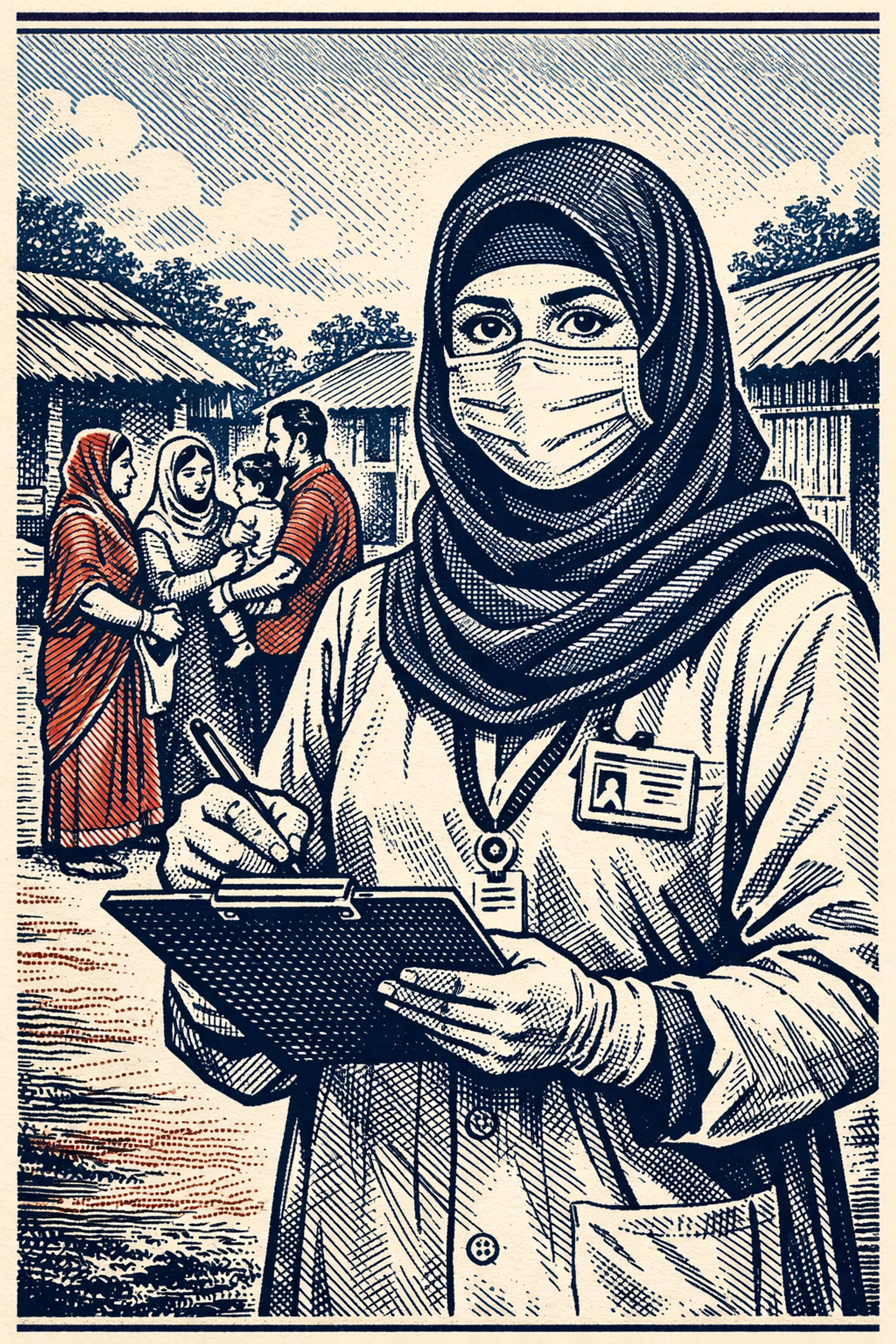
The surveillance systems that detected this case, the medical teams that cared for the patient, and the contact tracers who monitored exposed individuals all reflect the image of God: human beings using knowledge and skill to protect vulnerable neighbors.
"The simple believes everything, but the prudent gives thought to his steps." : Proverbs 14:15
We honor both faith and reason when we take basic precautions seriously without surrendering to fear. The God who commands us not to worry also gave us minds capable of understanding risk and implementing wise safeguards.
"Peace I leave with you; my peace I give to you. Not as the world gives do I give to you. Let not your hearts be troubled, neither let them be afraid." : John 14:27
Christian response
If you follow public health news, stick to official updates from WHO and national health authorities. Avoid amplifying unverified claims or fear-based speculation on social media. Accurate information serves your neighbors better than panic.
Practice basic hygiene and food safety guidance when traveling to regions with known disease risks. Ask questions about local food preparation practices and follow recommendations from credible sources. Wisdom isn't paranoia: it's taking reasonable precautions without obsessive fear.
For those in Bangladesh or regions where Nipah outbreaks occur, support community education efforts about date palm sap safety. Economic pressures make it difficult for collectors to implement protective measures, so solutions must address both safety and livelihood concerns.
Pray for healthcare workers and public health officials in Bangladesh who respond to these cases with limited resources. Their work protects not just their own communities but contributes to global disease surveillance that benefits everyone.

If this news triggers anxiety about disease outbreaks, limit your news consumption to specific, scheduled times rather than constant updates. Your mental health matters, and doom-scrolling doesn't make you more informed: it just makes you more anxious.
Remember that global health systems have improved dramatically. The fact that we know about one Nipah case in rural Bangladesh, that contacts were traced within days, and that WHO published a detailed assessment reflects progress, not cause for alarm.
"Test everything; hold fast what is good." : 1 Thessalonians 5:21
Prayer
Heavenly Father, we lift up the family grieving this woman's death. Comfort them in their loss. Protect the 35 people who were exposed and bring complete healing to any who are ill. Guide the hands and minds of healthcare workers and public health officials in Bangladesh. Give them resources, wisdom, and strength for their work.
Help us respond to disease news with both prudence and peace. Guard our hearts against fear while keeping our minds engaged with truth. Show us how to pray specifically, give practically, and trust fully in Your sovereignty over all things: including viruses we cannot see.
For communities where poverty makes disease prevention harder, we ask for just solutions that protect both health and livelihood. Raise up leaders who serve the vulnerable with skill and compassion. In Jesus' name, Amen.
Invitation
If you're feeling stuck: angry, exhausted, or struggling to forgive: you're not alone. If you want help finding your center and peace, you can reach me at www.laynemcdonald.com.
SEO Summary: WHO reports one Nipah virus death in Bangladesh with all 35 contacts testing negative. The case occurred in Rajshahi Division during typical outbreak season. Bangladesh has documented 348 confirmed cases since 2001 with 72% fatality rate. Contact tracing showed no spread. Learn the facts, biblical perspective, and practical next steps.
Key Questions Answered: What happened with the Nipah virus case in Bangladesh? How deadly is Nipah virus? Did the virus spread to other people? What is WHO's assessment of international risk? How should Christians respond to disease outbreak news? What practical steps prevent Nipah transmission?
Source: The Guardian

$50
Product Title
Product Details goes here with the simple product description and more information can be seen by clicking the see more button. Product Details goes here with the simple product description and more information can be seen by clicking the see more button

$50
Product Title
Product Details goes here with the simple product description and more information can be seen by clicking the see more button. Product Details goes here with the simple product description and more information can be seen by clicking the see more button.
$50
Product Title
Product Details goes here with the simple product description and more information can be seen by clicking the see more button. Product Details goes here with the simple product description and more information can be seen by clicking the see more button.
Comments