
Brief: Amazon warehouse tour highlights growing role of robots in logistics
- Dr. Layne McDonald
- Feb 6
- 4 min read

Updated: May 5
"Whatever you do, work at it with all your heart, as working for the Lord, not for human masters." : Colossians 3:23
What Happened
Amazon opened its warehouse doors to the public and media this week, offering tours that showcase the company's growing reliance on robotics in its fulfillment operations.
The Guardian reports that visitors are now seeing orange robots transport towers of merchandise across facilities that can span the equivalent of 28 football fields.
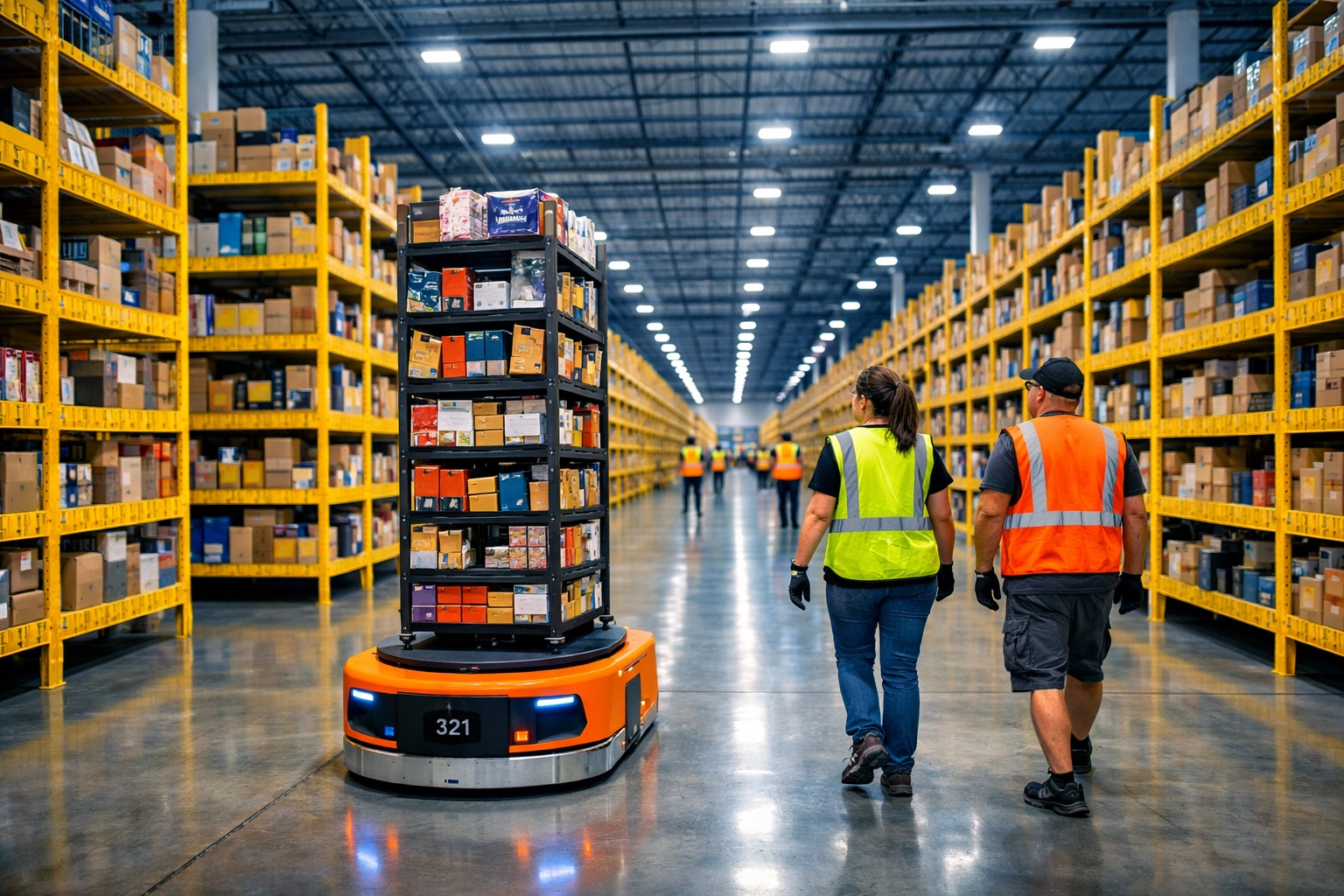
The tours, offered free at select locations across multiple countries, feature Amazon employees as guides who walk visitors through how automated systems work alongside human staff. The robots reduce the distance workers must travel within warehouses and enable facilities to hold significantly larger inventory volumes.
According to Amazon, the increased capacity allows the company to process orders faster while maintaining operational safety protocols.
The company has also launched educational tour versions designed for K-5 students, introducing young learners to STEM concepts like algorithms, sensors, and systems.
These tours highlight potential careers in hardware engineering, software development, and systems engineering.
Since 2012, Amazon has added tens of thousands of robots to its fulfillment centers. During the same period, the company added hundreds of thousands of full-time jobs globally, according to statements made during the tours.
What People Are Saying
Automation advocates point to the tours as evidence that robotics can increase efficiency without eliminating human jobs. They note that higher throughput enabled by robots actually requires more employees to manage increased inventory volume. The company frames robots as tools that create opportunity rather than displacement.
Labor groups and worker-safety advocates express concern about the pace and physical demands placed on human workers in highly automated environments. Some argue that while robot-assisted warehouses may create jobs in absolute numbers, they can also intensify work expectations and ergonomic strain for employees who remain. They call for stronger safety standards and reasonable productivity metrics that prioritize worker well-being alongside efficiency.
Technology observers see the tours as both transparent and strategic: Amazon is addressing public anxiety about automation while simultaneously marketing its logistics capabilities to investors and customers. Some note that the "robots create jobs" narrative requires context: the types of jobs, their quality, and long-term stability matter as much as raw headcount.
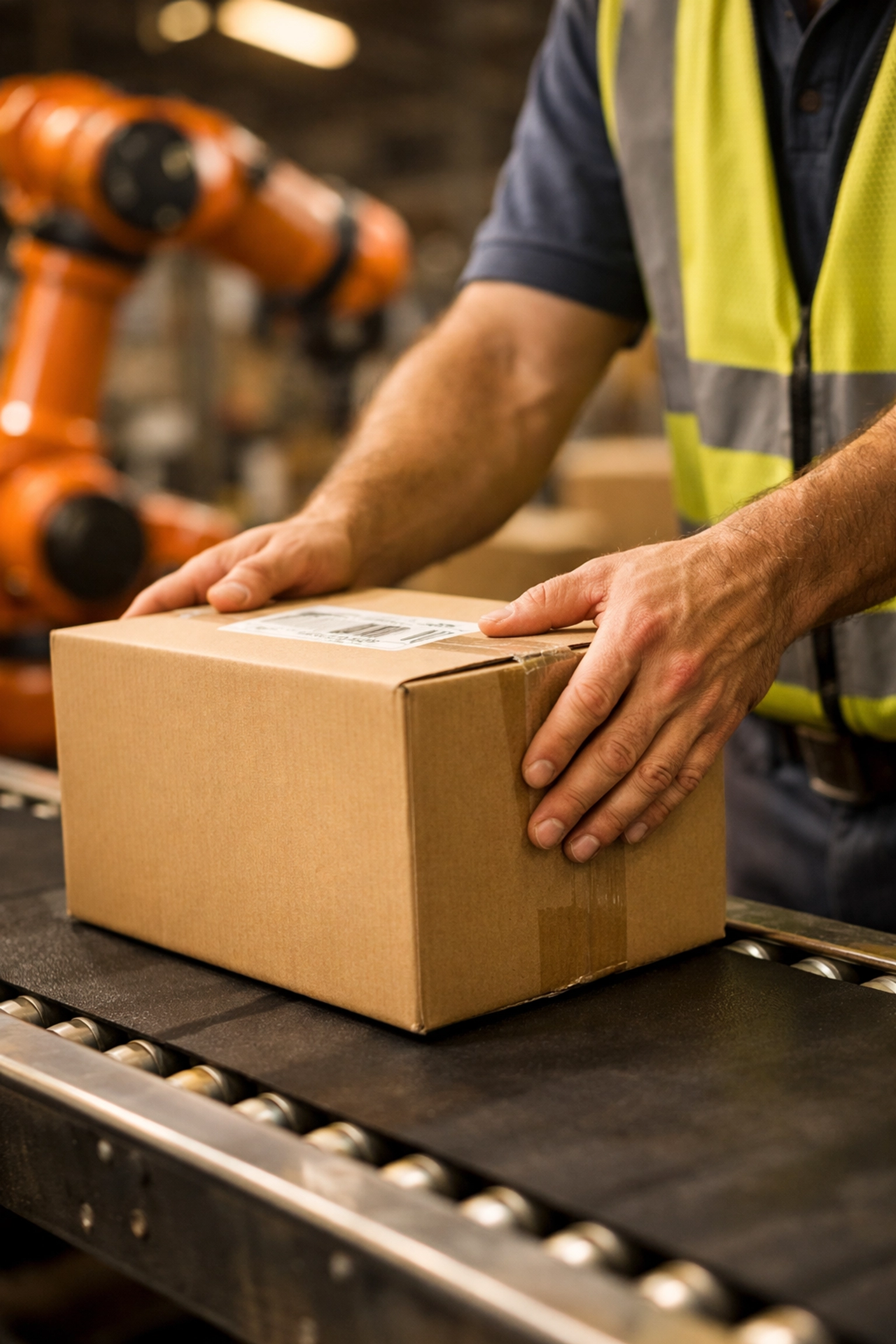
Economists debate whether automation's net effect on employment depends heavily on sector, scale, and policy. In logistics specifically, they point out that while Amazon has grown employment during its robot expansion, broader industry trends show mixed results as other companies adopt similar technologies.
A Biblical Lens
Scripture treats work as dignified and necessary: a way we participate in God's care for creation and provide for ourselves and others. But it also warns against systems that crush the vulnerable or prioritize profit over people.
"The Lord works righteousness and justice for all the oppressed." : Psalm 103:6
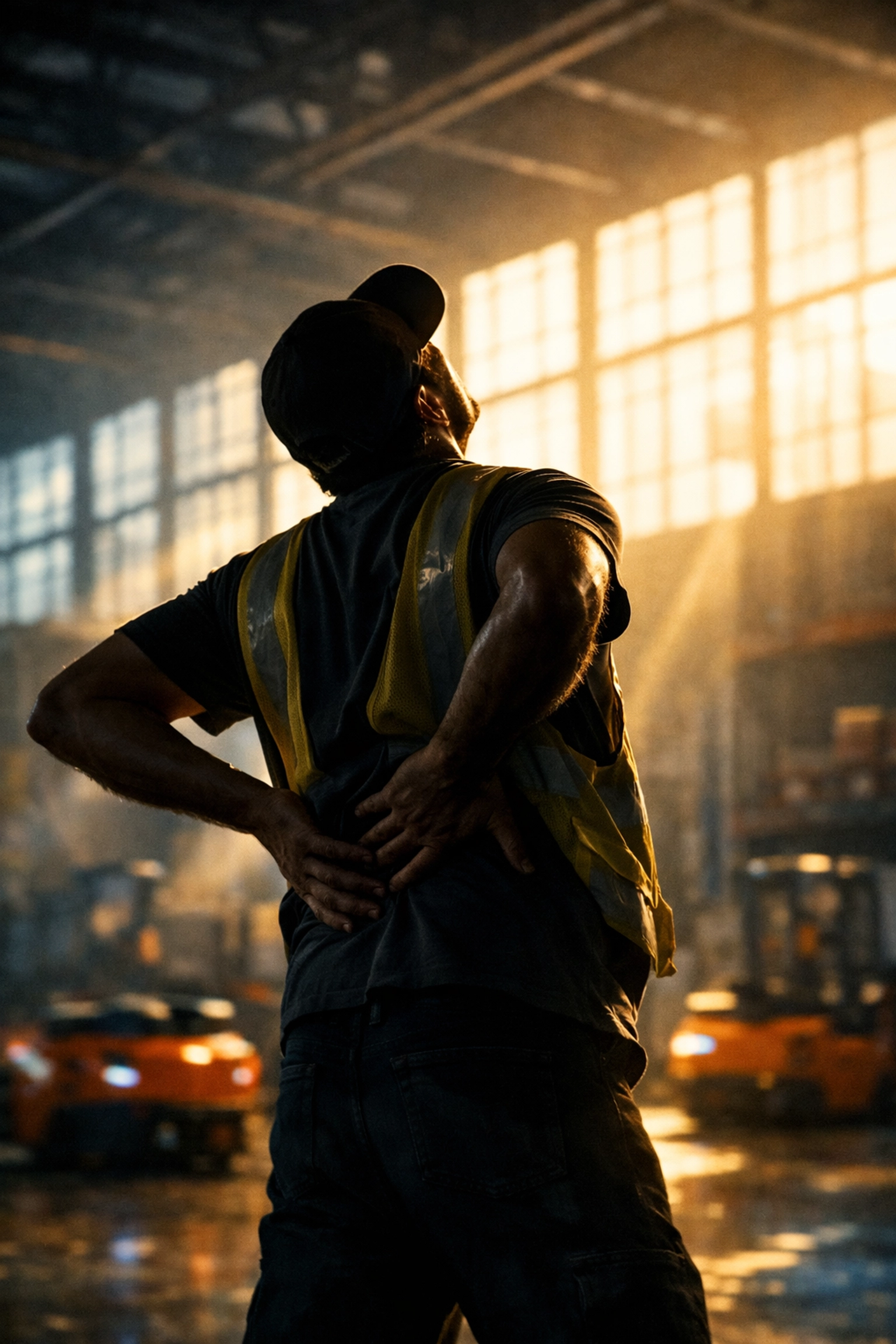
Automation itself is not inherently good or evil. It's a tool. The moral question is how we wield it. Do robots serve human flourishing, or do they serve only speed and margin? Do the people whose hands still move the boxes go home whole, or do they go home injured and exhausted?
A Christ-centered approach to logistics: and to any work: asks whether the system honors the image of God in every worker. It asks whether efficiency becomes an idol that demands human sacrifice. And it asks whether those who benefit most from productivity gains are willing to share those gains justly.
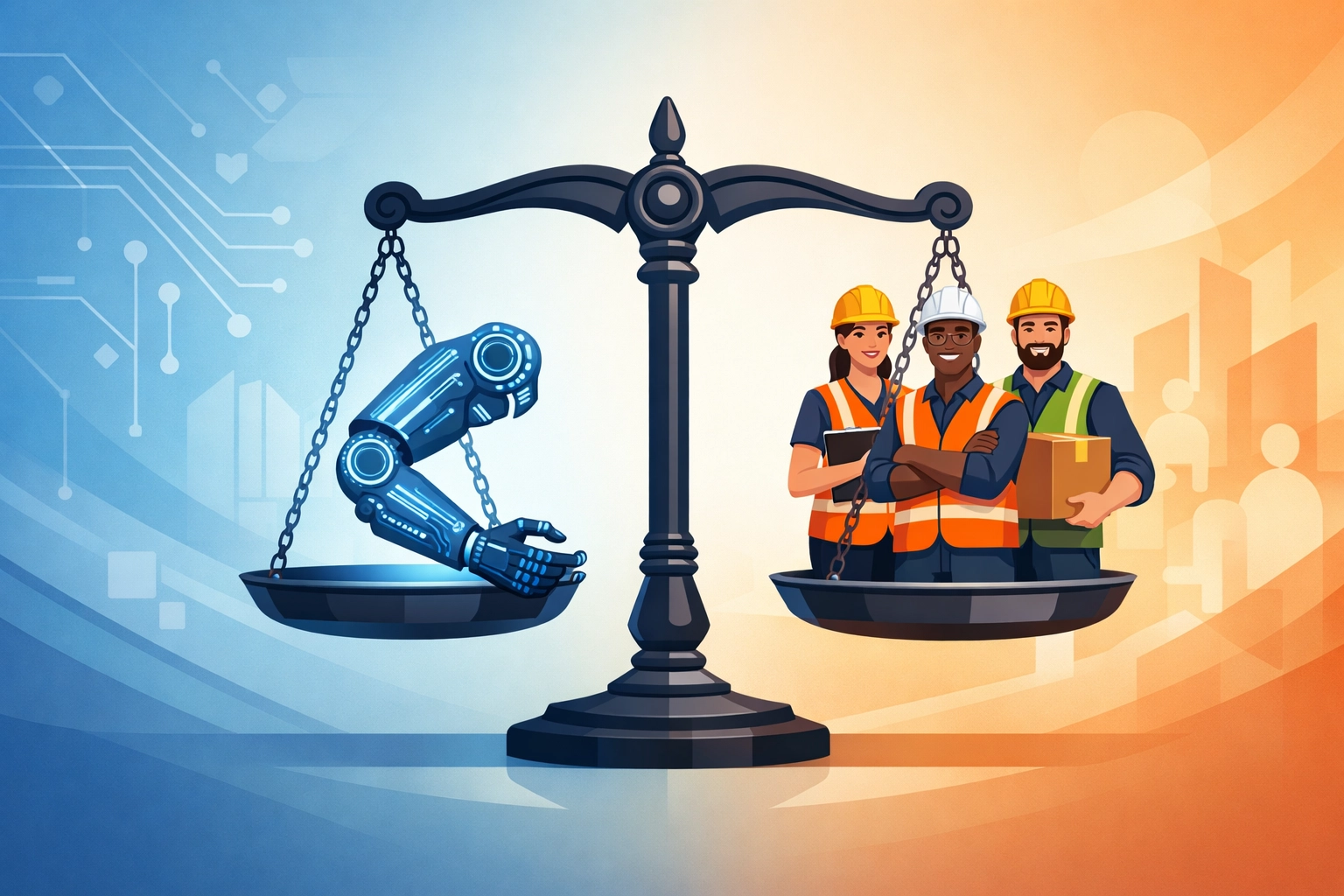
The Bible doesn't tell us to reject tools that make work easier. But it does tell us to care for the laborer. It tells us that the ox treading out the grain shouldn't be muzzled, and that workers deserve their wages. It tells us that systems can become structures of oppression when we stop seeing people as people.
If Amazon's robots genuinely create space for safer, more sustainable jobs: if they reduce injury and drudgery: that's worth celebrating. But if they simply accelerate an unsustainable pace that burns people out, then something is broken, no matter how many jobs exist on paper.
The question isn't whether we use technology. The question is whether we love our neighbor while we do.
A Calm Next Step
If this story stirs something in you: whether you're a worker navigating rapid change, a manager balancing efficiency and care, or simply someone trying to live faithfully in a technological age: start here:
Pray. Ask God to help you see workers (including yourself) as He sees them: beloved, worthy of dignity, made for more than productivity metrics. Ask Him to give you wisdom about how to engage technology without losing your humanity.
Practically, take one step:
If you work in logistics or a similar field, advocate for reasonable safety standards and listen to the people doing the physical work. Their experience matters. If you're a consumer, recognize that the speed of your delivery comes at a cost to someone. Be patient. If you're a leader, ask whether your systems honor people or just extract from them.
Read. Learn about labor conditions in the logistics industry: not to fuel outrage, but to understand the reality. Knowledge moves us from assumptions to informed compassion.
Speak up when you see harm, but speak with respect. The people designing these systems aren't monsters; they're often just optimizing for the metrics they've been given. The conversation about what metrics matter is where change begins.
Closing With Hope
Technology will keep advancing. That's not a threat: it's an opportunity to choose, again and again, what kind of world we want to build with it.
We can build systems that serve people, or we can build systems that people serve. We can design for flourishing, or we can design for extraction. The choice isn't made once; it's made in a thousand small decisions by engineers, managers, workers, consumers, and policymakers.
"He has shown you, O mortal, what is good. And what does the Lord require of you? To act justly and to love mercy and to walk humbly with your God." : Micah 6:8
Justice. Mercy. Humility. Those aren't slogans. They're the foundation of a society that works: for everyone.
The robots aren't the enemy. Dehumanization is. And we get to resist it every day, in every interaction, in every decision about how we treat the people around us.
That's the work that matters most.
If you're feeling stuck: angry, exhausted, or struggling to forgive: you're not alone. If you want help finding your center and peace, you can reach me at www.laynemcdonald.com.
Source:The Guardian
Comments