Brief: China announces new tariffs on U.S. coal and LNG amid trade tensions
- Dr. Layne McDonald
- Feb 5
- 6 min read

Quick Summary
What's happening with U.S.-China trade? China has announced 15% tariffs on U.S. coal and liquefied natural gas (LNG), effective February 10, 2025, in response to U.S. tariffs on Chinese goods. The move is part of an escalating trade dispute that has already disrupted energy markets for nearly a year.
Why does this matter? These tariffs directly affect American energy workers, consumers facing potential price increases, and the broader global economy. Trade tensions between two major powers create uncertainty that ripples through communities on both sides of the Pacific.
What can Christians do? Pray for workers affected by these policies, ask God for wisdom for leaders on both sides, and remember that anxiety over economic news is an opportunity to trust God's provision (Philippians 4:6-7).
What Happened
According to reports from the Associated Press, China's Ministry of Commerce announced new tariffs targeting American energy exports. The country will impose a 15% duty on U.S. coal and liquefied natural gas (LNG) imports, along with a 10% tariff on crude oil, beginning February 10, 2025.
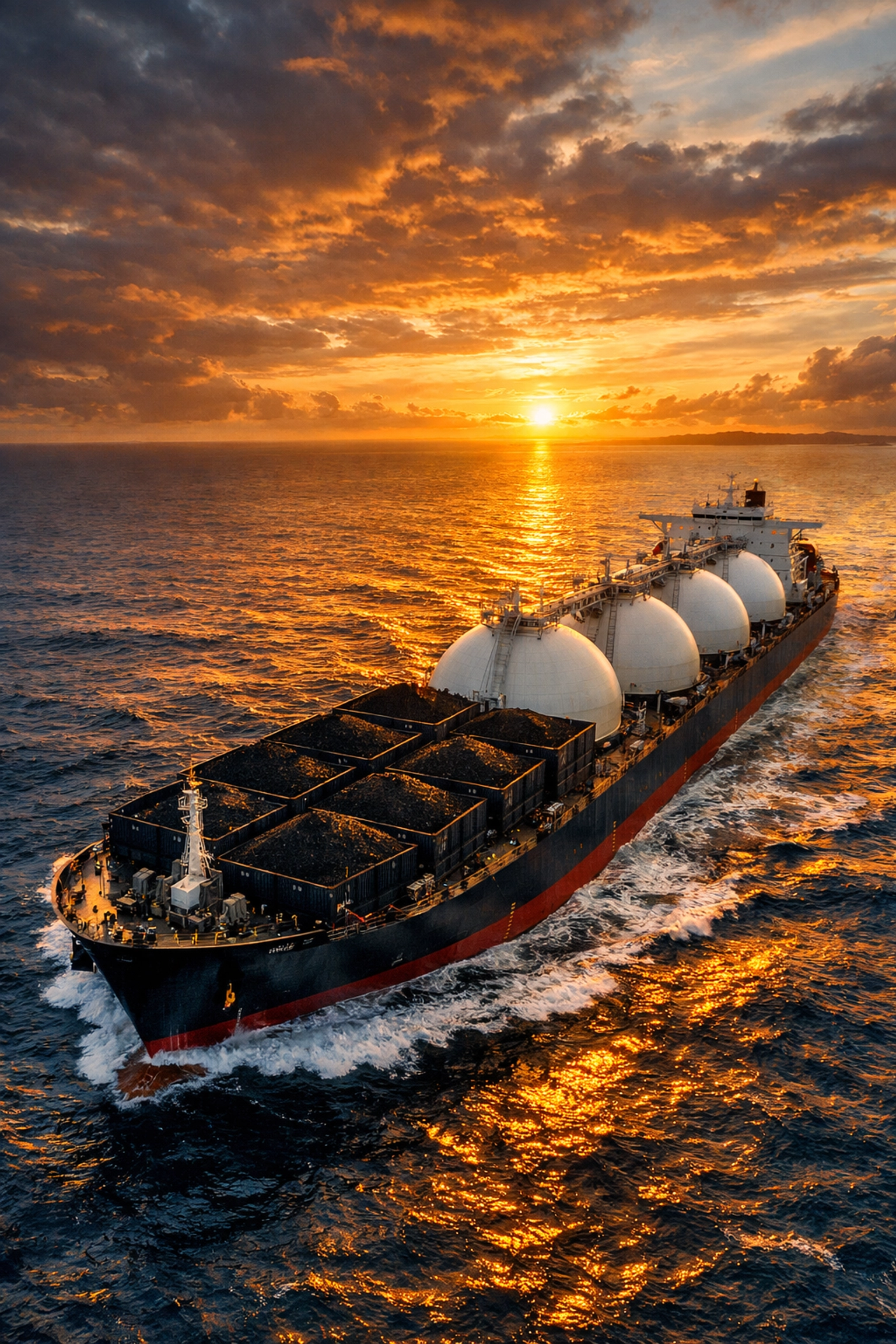
This announcement comes as a direct response to tariffs the United States has placed on Chinese goods. China has also launched an investigation into Google's business practices in the country, signaling a broader economic confrontation between the world's two largest economies.
The tariff escalation didn't start here. China initially imposed these energy tariffs in early 2025, and by April, added an additional 34% tariff on all U.S. imports, stacking duties that pushed the combined rate on American LNG as high as 49%. While China has since removed some retaliatory tariffs on agricultural products, energy commodities have remained fully taxed.
The practical impact has been severe. China suspended LNG imports from the U.S. for nearly eight months starting in February 2025, with no American LNG cargo reaching Chinese ports during the entire year. U.S. coal exports to China dropped 42% year-over-year through September 2025, as Chinese buyers redirected their purchases to suppliers in other countries.
American energy companies have scrambled to reroute prepurchased cargoes to alternative markets in India and Southeast Asia, using flexibility provisions written into their contracts. But the disruption has created uncertainty for workers in coal country and natural gas production regions across the United States.
Why This Matters
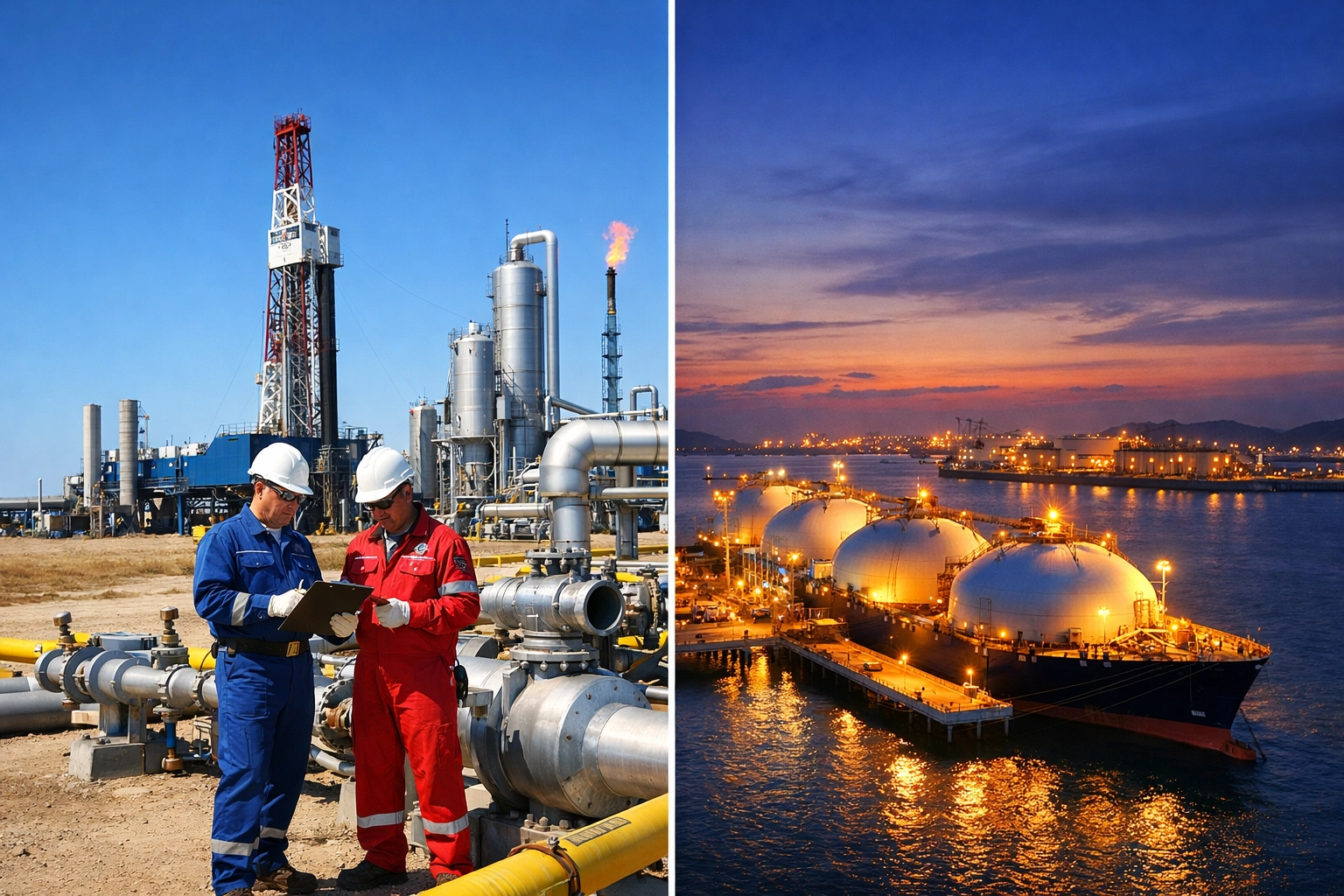
Trade disputes sound abstract until they reach your neighbor's job or your town's economy. For communities in Wyoming, West Virginia, Pennsylvania, Texas, and Louisiana: states heavily involved in coal mining and natural gas production: these tariffs represent real anxiety about paychecks, benefits, and the future.
When a major buyer suddenly stops purchasing American energy products, producers face tough decisions: cut production, lay off workers, or accept lower prices by flooding other markets. Families feel the ripple effects.
On the other side of the Pacific, Chinese consumers and businesses also face consequences. Energy costs rise when supply chains get disrupted. Chinese manufacturers relying on stable energy prices now face uncertainty that could increase costs for goods ranging from electronics to clothing.
Neither side "wins" a trade war in the traditional sense. Both economies absorb shocks. Both sets of workers face disruption. And both populations experience the anxiety that comes with economic uncertainty.
This isn't just about coal and natural gas. It's about how nations navigate disagreements, how governments balance protecting domestic industries with maintaining global relationships, and ultimately, how millions of ordinary people on both sides weather the consequences of decisions made in distant capitals.
Different Perspectives
The U.S. Position
American policymakers argue that tariffs on Chinese goods address unfair trade practices, intellectual property theft, and strategic concerns about supply chain dependence. Supporters say protecting American industries and workers justifies short-term disruption, and that China's economic practices have disadvantaged U.S. businesses for decades.
The Chinese Position
Chinese officials frame their tariffs as defensive measures responding to American aggression. They argue that the U.S. started this escalation and that China has the right to protect its own industries and workers. From Beijing's perspective, these tariffs are about sovereignty and refusing to be bullied by a larger military power.
Workers on Both Sides
Neither American coal miners nor Chinese factory workers asked for this trade dispute. They're caught between governments making strategic calculations. Their primary concern isn't geopolitical theory: it's whether they can provide for their families next month.
Global Market Concerns
Energy market analysts worry that these disputes create instability that affects everyone. When two major economies stop trading with each other, prices become unpredictable, supply chains break, and smaller nations get squeezed. Europe, India, and Southeast Asian countries now navigate a fractured energy market they didn't create.
A Biblical Lens
Scripture doesn't tell us exactly how to structure international trade policy, but it does give us principles for thinking about fairness, anxiety, and how we treat others: even competitors.
Proverbs 11:1 reminds us: "The LORD detests dishonest scales, but accurate weights find favor with him."
God cares about honest dealing in commerce. Whether we're talking about a merchant's scale in ancient Israel or international trade agreements in 2025, the principle holds: fairness matters to God. Both sides in any trade dispute should ask themselves whether they're treating the other honestly, whether their accusations are fair, and whether their actions reflect integrity.
That doesn't mean one side is automatically right or wrong. It means both should examine their own practices honestly before God.
Philippians 4:6-7 speaks directly to the anxiety many feel when watching economic news: "Do not be anxious about anything, but in every situation, by prayer and petition, with thanksgiving, present your requests to God. And the peace of God, which transcends all understanding, will guard your hearts and your minds in Christ Jesus."
Economic uncertainty tempts us toward worry. What if prices go up? What if jobs disappear? What if the economy crashes? Paul's answer isn't to deny real concerns: it's to bring them honestly before God and trust His provision.
God isn't surprised by tariffs. He isn't wringing His hands over trade disputes. He remains sovereign over nations, economies, and the daily needs of every person affected by these policies.
The Christian Response
So what do we do with this information?
First, pray specifically. Don't just pray generically "for the situation." Pray for:
American workers in coal and natural gas industries facing uncertainty
Chinese workers and families affected by higher energy costs
Government officials on both sides making these decisions
Wisdom for leaders to find solutions that don't require ordinary people to pay the highest price
Peace that transcends economic circumstances for believers in both countries
Second, resist tribalism. The temptation in trade disputes is to pick a side and demonize the other. Americans may view China as "the enemy." Chinese citizens may view America the same way. But Scripture calls us to see all people as image-bearers of God (Genesis 1:27), even when our governments disagree.
Third, check your own anxiety. Are you losing sleep over economic news? That's a sign you may be trusting markets more than you're trusting God. Bring those fears honestly to prayer. God has provided for His people through famines, wars, and economic collapses throughout history. He can provide for you now.
Fourth, be generous locally. If these tariffs do affect your community: if neighbors lose jobs or businesses struggle: that's your opportunity to live out practical Christianity. Share what you have. Support local families. Be the church to people in real need.

Fifth, remember perspective. This feels huge right now, but God's Kingdom work continues regardless of tariff rates. The gospel advances in China despite trade tensions. The gospel advances in America despite economic disruption. Our primary mission hasn't changed.
A Prayer for This Moment
Father, we bring this trade dispute before You: not because You need us to inform You, but because we need to remember You're sovereign over it.
We pray for American workers whose livelihoods depend on energy exports. Provide for them, open new opportunities, and give them peace beyond circumstances.
We pray for Chinese families facing higher costs and economic uncertainty. Meet their needs and draw them to Your Son.
We pray for leaders in Washington and Beijing. Give them wisdom beyond their own understanding. Soften hearts toward solutions that honor human dignity on both sides.
We confess the anxiety we feel watching economic news. Forgive us for trusting markets more than we trust You. Remind us that You fed five thousand with a boy's lunch, that You own the cattle on a thousand hills, and that You still provide for Your people.
Help us represent You well in how we talk about this situation: without hatred, without fear, without tribal loyalty that supersedes our loyalty to You.
In Jesus' name, Amen.
Stay Grounded in What Matters Most
Economic news can shake us if we're not anchored in something deeper.
If you're looking for practical coaching, mentoring, or just want to explore more biblical perspectives on current events, visit www.laynemcdonald.com. You'll find blog posts, music, and resources to help you stay steady when the news cycle feels overwhelming. Here's something special: simply visiting the site helps raise funds for families who have lost children through Google AdSense revenue: at no cost to you. Your click supports grieving families while you access content that points you back to Christ.
The news will keep coming. Tariffs will keep shifting. But God's faithfulness doesn't fluctuate with trade policy. Stay grounded in Him.
Comments