
Brief: EU may push TikTok to change app design over 'addictive' features
- Dr. Layne McDonald
- Feb 6
- 5 min read

"Finally, brothers and sisters, whatever is true, whatever is noble, whatever is right, whatever is pure, whatever is lovely, whatever is admirable: if anything is excellent or praiseworthy: think about such things." : Philippians 4:8 (NIV)
What happened
The European Commission has preliminarily found TikTok in breach of the Digital Services Act due to what regulators call "addictive design" that may harm users' mental and physical wellbeing. The investigation focused particularly on risks to children and vulnerable adults.
The commission cited specific features including infinite scroll, autoplay, push notifications, and highly personalized recommender systems that lead to compulsive use by constantly rewarding users with new content. According to the preliminary findings, TikTok failed to adequately assess these risks under the DSA's requirements.
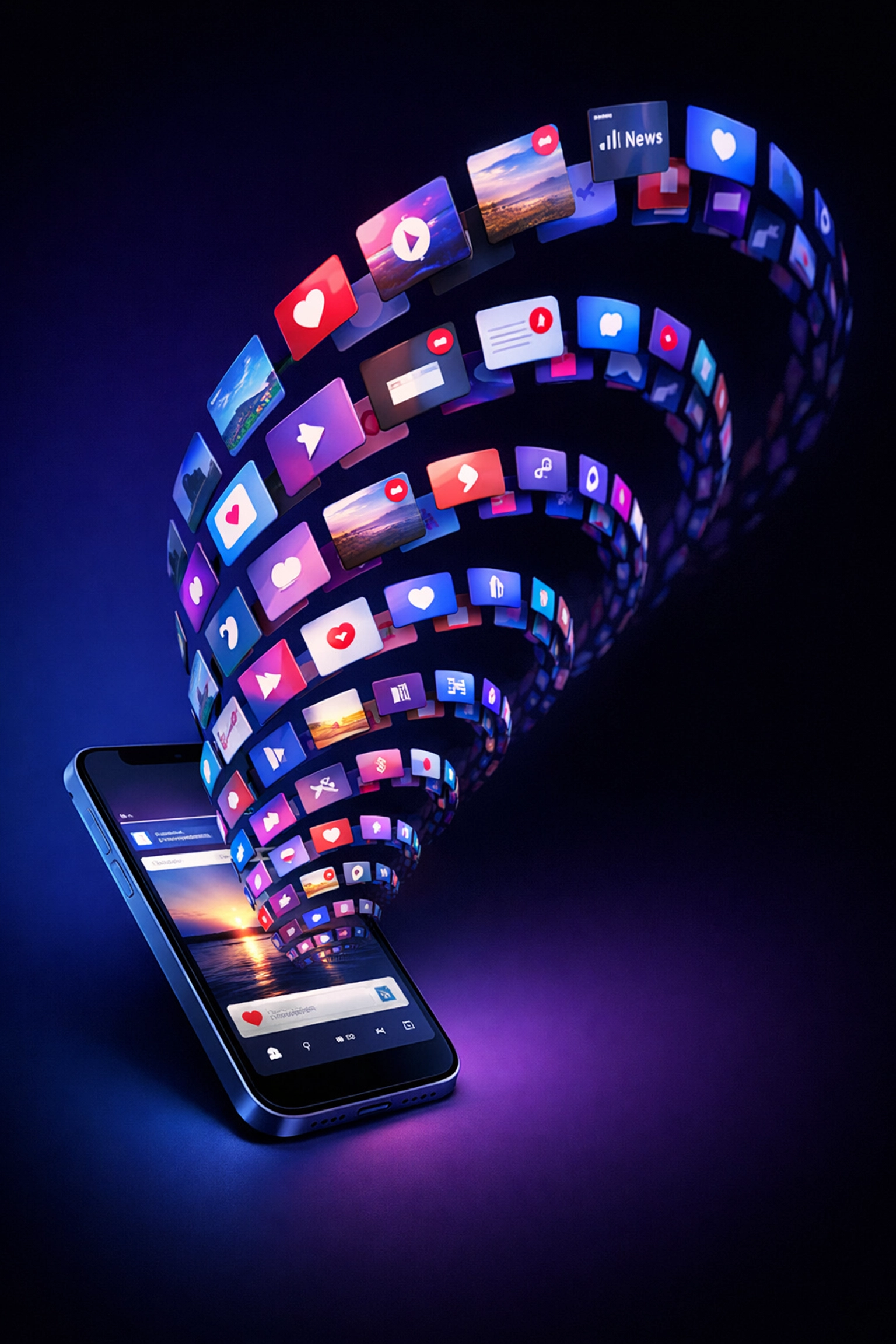
The investigation found that existing protective measures: such as screen-time management tools and parental controls: are insufficient. The EU noted that TikTok ignored key indicators of compulsive use, including the frequency with which children use the app at night and how often they open it throughout the day.
The European Commission is calling on TikTok to fundamentally change its service by disabling infinite scroll, implementing effective screen-time breaks including during nighttime hours, and adapting its recommendation algorithm. If TikTok does not comply with these demands, the commission can impose a fine of up to six percent of the company's total worldwide annual turnover.
TikTok has until mid-March to respond to the preliminary findings. The company can propose commitments to address the commission's concerns or face formal charges.
What people are saying
The European Commission emphasized that digital platforms have a responsibility to protect users, especially minors, from design features that exploit psychological vulnerabilities. Regulators argue that the current design creates patterns of compulsive behavior that interfere with sleep, focus, and mental health.
TikTok has denied the accusations entirely. In a statement, the company called the findings "categorically false and entirely meritless" and pledged to challenge them through all available means. The platform pointed to existing features like screen-time reminders, content filters, and family pairing tools as evidence of its commitment to user safety.
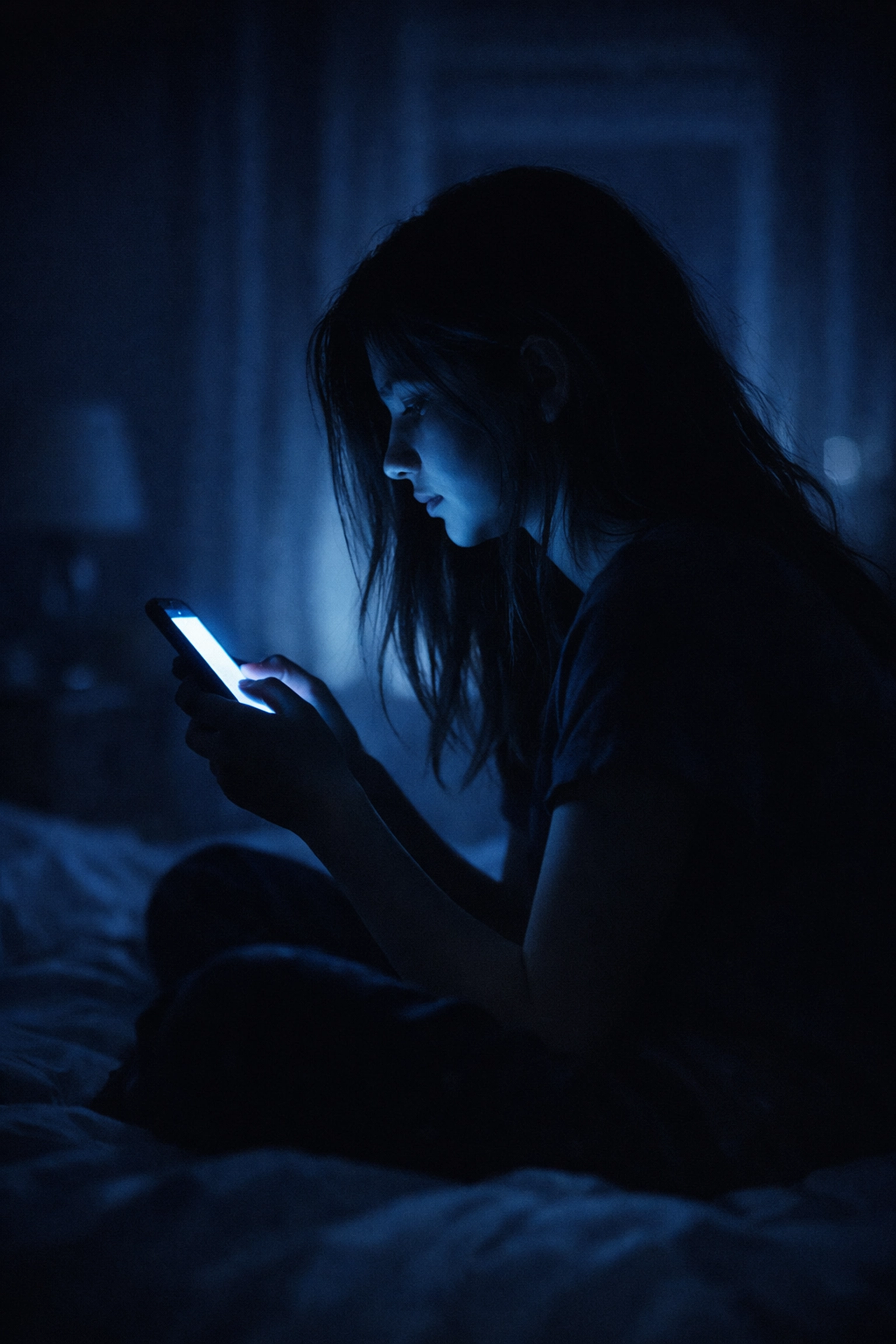
Some child safety advocates have welcomed the EU's action, arguing that social media companies have long prioritized engagement metrics over user wellbeing. They point to research linking heavy social media use to increased anxiety, depression, and sleep disruption among young people.
Others caution against overly prescriptive regulation, suggesting that parents and individuals should retain primary responsibility for managing screen time. Some technology analysts warn that removing features like infinite scroll could fundamentally alter the user experience in ways that push users to competing platforms with similar designs.
Mental health professionals note that while app design certainly influences behavior, the root causes of compulsive social media use are complex and include factors like loneliness, peer pressure, and lack of alternative activities. They emphasize that regulatory changes should be paired with broader conversations about digital literacy and healthy technology habits.
Biblical lens
The debate over TikTok's design touches on a timeless question: what do we allow to capture our attention, and why does it matter?
Scripture repeatedly warns about the danger of being "mastered" by anything other than God. Paul writes in 1 Corinthians 6:12, "'I have the right to do anything,' you say: but not everything is beneficial. 'I have the right to do anything': but I will not be mastered by anything."
The issue isn't whether technology itself is evil. It's whether we're using tools or being used by them. When an app is deliberately designed to trigger compulsive behavior: to keep us scrolling past the point of enjoyment or benefit: it's worth asking what we're surrendering in the process.

For parents, this raises practical questions about stewardship and protection. We're called to guard our children's hearts and minds, helping them develop wisdom and self-control in a world full of powerful stimuli. That doesn't mean panic or total withdrawal from technology, but it does mean paying attention to what's happening in our homes.
For all of us, it's an invitation to examine what has our attention. Are we choosing how we spend our time, or are we being algorithmically guided toward endless consumption? Are we present with the people in front of us, or constantly pulled back to a screen?
The fruit of the Spirit includes self-control (Galatians 5:22-23). That gift matters in every area of life, including how we interact with technology. It's not about legalism or fear. It's about freedom: the freedom to choose what we focus on, to be present in our actual lives, and to protect what matters most.
What we can do
Start with prayer. Ask God to give you wisdom about your own technology habits and your family's rhythms. Ask Him to show you where you might be allowing something designed to capture attention to actually capture your heart.
Then take an honest inventory. How much time are you (or your children) spending on apps like TikTok? What's the quality of that time? Is it adding value, fostering connection, or teaching something worthwhile? Or is it simply filling space and creating a background hum of restlessness?
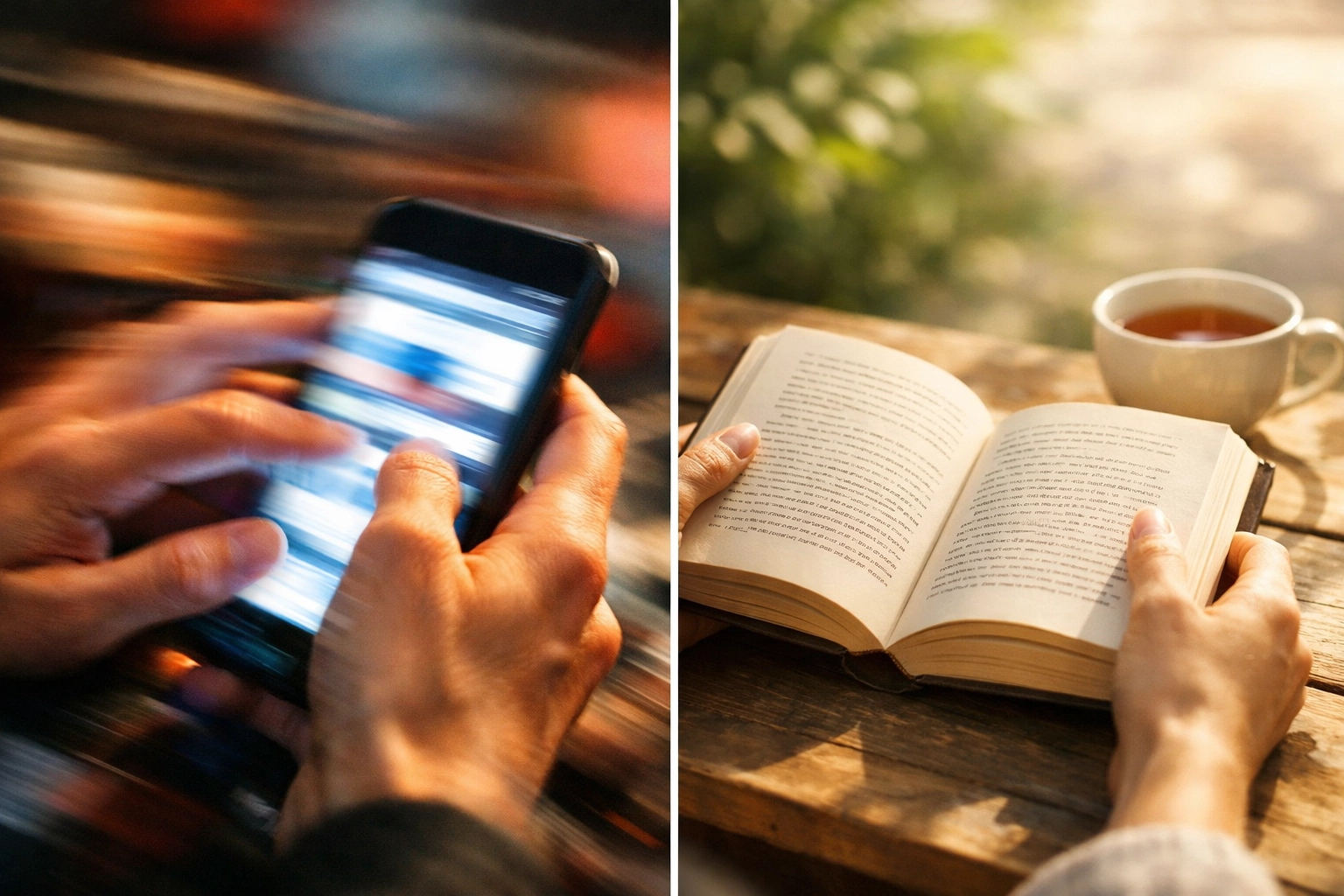
Consider practical boundaries. Set specific times when devices are put away: during meals, before bed, during family activities. Use built-in screen-time tools to track and limit app usage. If you're a parent, have open conversations with your kids about why these boundaries exist. Don't just impose rules; help them understand the "why" behind healthy habits.
Model the behavior you want to see. Children learn more from what we do than what we say. If we're constantly on our phones, they'll absorb that pattern regardless of our lectures about moderation.
Finally, create alternatives. Compulsive phone use often fills a void: boredom, loneliness, anxiety. Work intentionally to build other rhythms: family dinners, outdoor time, reading together, creative projects, service opportunities. Give attention to things that actually nourish rather than just stimulate.
This isn't about fear or condemnation. It's about stewardship. We have limited time, limited attention, and unlimited distractions. Choosing wisely isn't restrictive: it's the path to freedom.
Closing hope
"The thief comes only to steal and kill and destroy; I have come that they may have life, and have it to the full." : John 10:10 (NIV)
Whatever the EU ultimately decides about TikTok's design, we don't have to wait for regulators to make choices about our own lives. We can decide today to protect our attention, guard our hearts, and steward our time well.
There's a fuller life available: one marked by presence, purpose, and peace. It's not found by endlessly scrolling, but by choosing what we focus on and who we become in the process.
You're not stuck. You can start fresh today.
If you're feeling stuck: angry, exhausted, or struggling to forgive: you're not alone. If you want help finding your center and peace, you can reach me at www.laynemcdonald.com.
Source:The Guardian
Comments