Brief: Norway reports only seven new petrol-powered cars sold in January
- Dr. Layne McDonald
- Feb 6
- 5 min read

"The earth is the Lord's, and everything in it, the world, and all who live in it." : Psalm 24:1
What Happened
Norway registered only seven new petrol-powered cars in January 2026, marking the lowest figure ever recorded in the country, according to The Guardian. The minimal sales occurred during a broader 76.7 percent collapse in overall new vehicle registrations compared to January 2025.
The sharp drop in total sales resulted from artificial market conditions created by Norway's VAT regulation changes. New tax rules took effect January 1, 2026, prompting dealers and customers to rush purchases in December 2025 to avoid higher rates. The advance buying surge created an inevitable January slowdown.
Electric vehicles dominated the month with 2,084 new registrations, representing a 94 percent market share. Diesel cars placed second with 98 registrations and a 4.4 percent share. Petrol-only vehicles and all hybrid models each accounted for less than one percent of the market.
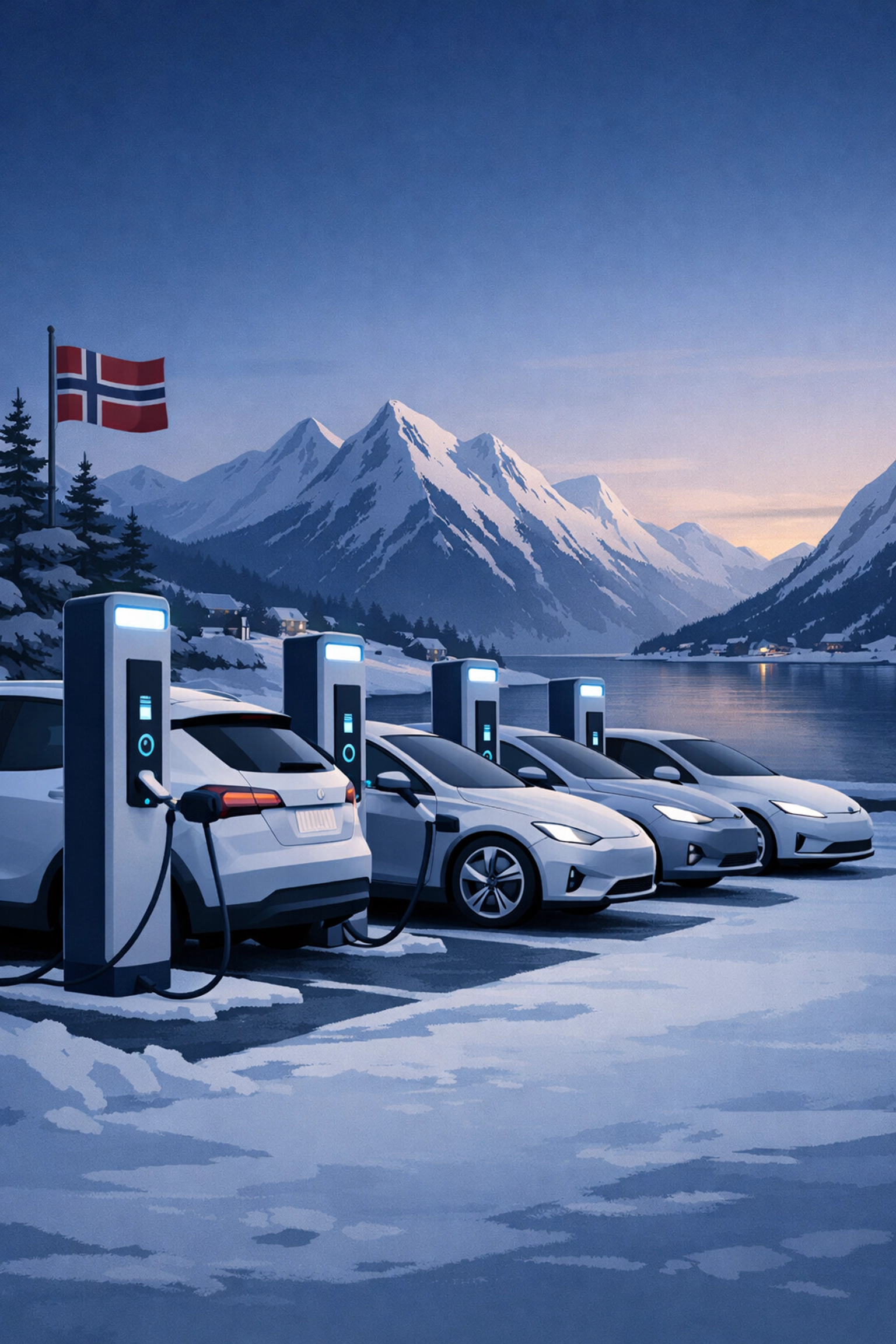
The data reflects Norway's transformation into the world's electric vehicle capital. Battery-electric vehicles accounted for 95.9 percent of new car sales throughout 2025 and now outnumber both diesel and petrol cars on Norwegian roads.
Norway has deployed aggressive tax incentives favoring electric vehicles for over a decade, including exemptions from purchase taxes, reduced tolls, free municipal parking, and access to bus lanes. Traditional combustion vehicles face steep taxation designed to accelerate the transition away from fossil fuels.
What People Are Saying
Environmental advocates celebrate Norway's electric vehicle transition as proof that rapid decarbonization of transportation is achievable with proper policy design. They point to Norway's success as a roadmap for other nations struggling to meet climate commitments and air quality goals.
Critics raise concerns about affordability and equity in the transition. Electric vehicles remain more expensive upfront than combustion equivalents in many markets, even with subsidies. Lower-income households may face barriers to participation, creating a two-tier transportation system during the transition period.
Automotive industry observers note that Norway's unique conditions: high per capita income, abundant hydroelectric power, small population, and strong government revenues from oil exports: make direct comparisons to other nations difficult. What works in Norway may require significant adaptation elsewhere.
Some creation care advocates welcome reduced emissions while acknowledging complex tradeoffs. Electric vehicle production requires mining lithium, cobalt, and rare earth minerals with environmental and human rights concerns. Battery disposal and recycling infrastructure remain underdeveloped. The electricity grid must be clean for EVs to deliver full environmental benefits.
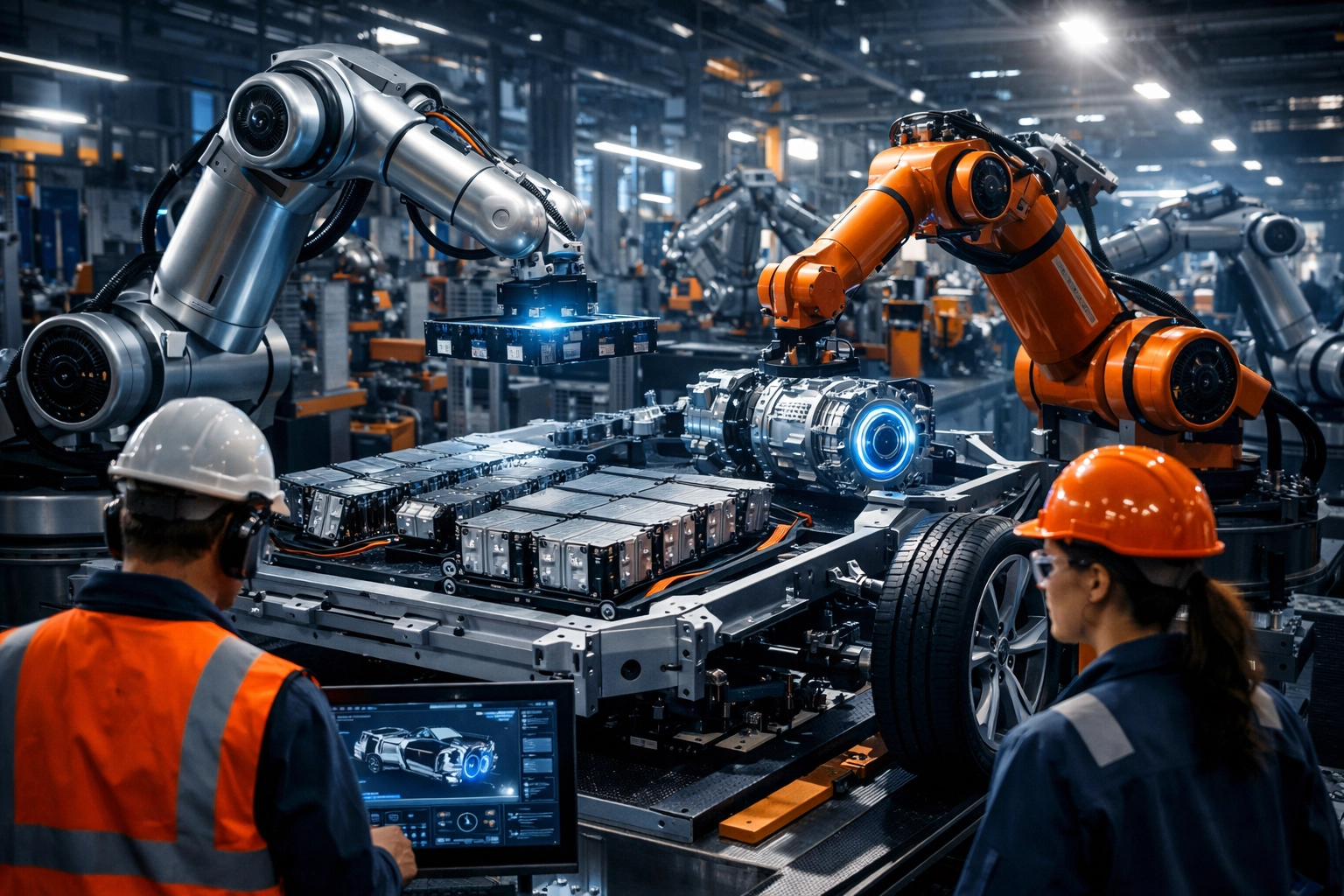
Labor groups in traditional automotive manufacturing regions express concern about job displacement as production shifts from complex combustion engines to simpler electric drivetrains requiring fewer workers. Retraining programs and economic transition support become critical in affected communities.
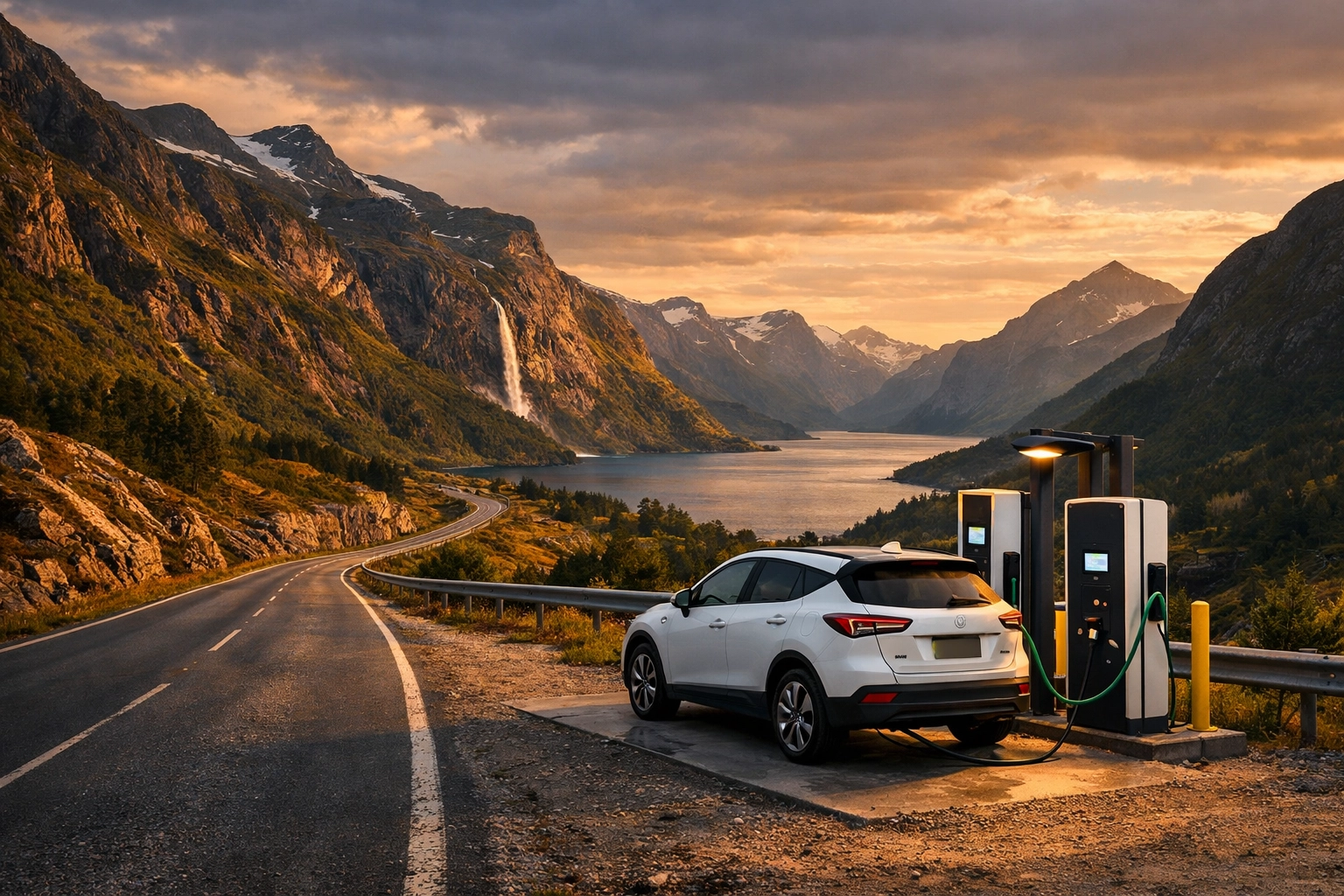
Rural residents in Norway and elsewhere note that electric vehicles face range limitations, longer refueling times, and charging infrastructure gaps in remote areas. These practical constraints affect adoption rates outside urban centers.
Economic analysts debate whether government-driven market transformation through tax policy creates distortions or necessary corrections to market failures. The question centers on whether environmental costs should be internalized through taxation and whether governments should pick technological winners.
Biblical Lens
Scripture calls us to care for creation while serving our neighbors, especially the vulnerable. Genesis 2:15 tells us the Lord placed man in the garden "to work it and take care of it": a mandate for responsible stewardship that extends to our modern world.
Norway's transition illustrates the tension between competing goods: cleaner air and reduced emissions versus affordability, job security, and equitable access to mobility. These are not simple either-or choices but complex tradeoffs requiring wisdom, humility, and consideration for those most affected by change.

Proverbs 21:5 reminds us, "The plans of the diligent lead to profit as surely as haste leads to poverty." Rapid technological transitions demand careful planning to avoid leaving communities and workers behind. The pace of change matters as much as its direction.
James 2:15-16 challenges us: "Suppose a brother or a sister is without clothes and daily food. If one of you says to them, 'Go in peace; keep warm and well fed,' but does nothing about their needs, what good is it?" Environmental policy that ignores economic impact on vulnerable populations fails the test of neighbor love.
At the same time, Romans 13:10 declares, "Love does no harm to a neighbor." Air pollution from combustion vehicles disproportionately affects low-income urban communities. Future generations inherit the climate we leave them. Creation care is neighbor care across time and geography.
The path forward requires holding multiple truths simultaneously: environmental stewardship matters, economic disruption is real, technological change creates winners and losers, and we are called to seek solutions that serve the common good rather than tribal victory.
Calm Next Step
If this news stirs anxiety about change, job security, or environmental responsibility, pause and bring those concerns to prayer. Ask God for wisdom to see clearly, compassion for those affected by transition, and creativity to find solutions that honor both creation and community.
Practically, stay curious rather than reactive. Learn about the full lifecycle impact of different vehicle technologies: manufacturing, operation, and disposal. Understand the economic realities facing workers in transitioning industries. Listen to rural residents, urban families, and those with limited incomes about their transportation challenges.
Support policies and initiatives that pair environmental progress with economic support for affected workers and communities. Retraining programs, infrastructure investment in underserved areas, and affordability assistance help ensure transition benefits extend broadly rather than concentrating among the affluent.
If you work in automotive, energy, or related industries, consider how your skills might translate to emerging opportunities. If you're in a position to influence policy, advocate for approaches that balance environmental goals with human flourishing and economic opportunity.
For individual vehicle choices, weigh your specific circumstances: budget, driving patterns, local infrastructure, and energy sources. There's no single right answer for every household. Make informed decisions without judgment toward those making different choices based on different constraints.
Most importantly, resist the temptation to turn technology choices into moral litmus tests or tribal markers. Electric vehicles, hybrid systems, and efficient combustion engines can all play roles in a thoughtful transition. The goal is cleaner air and climate stewardship, not ideological purity or virtue signaling.
Closing With Hope
Change creates opportunity alongside disruption. Norway's experience demonstrates that market transformation is possible while revealing the complexity and care required to do it well. Both truths matter.
Colossians 1:16-17 reminds us that "all things have been created through him and for him. He is before all things, and in him all things hold together." Technology changes, markets shift, but the call to love God and neighbor remains constant across every transition.
We can pursue cleaner transportation without cruelty toward those facing economic uncertainty. We can acknowledge environmental urgency without ignoring practical constraints. We can celebrate innovation while supporting those left behind by change.
The future belongs to those who hold competing goods in tension rather than collapsing into simplistic narratives. Norway's seven petrol cars represent a data point in a larger story still being written: one that requires wisdom, compassion, and patient work toward solutions that honor both creation and those who inhabit it.
Source: The Guardian : Norway electric cars take 94% share as new sales collapse in January
If you're feeling stuck: angry, exhausted, or struggling to forgive: you're not alone. If you want help finding your center and peace, you can reach me at www.laynemcdonald.com.
Comments