Brief: Norway's new car market nears all-electric as petrol sales hit single digits
- Dr. Layne McDonald
- Feb 6
- 5 min read

The Facts
Norway registered just seven new petrol-powered passenger cars in January 2026, marking what may be the final chapter of the internal combustion engine in the Scandinavian nation's automotive market. The figure represents a dramatic endpoint to a multi-decade transition: battery-electric vehicles now account for 94 percent of all new car registrations in the country, with diesel vehicles adding only 98 units and hybrids contributing 29, according to data reported by The Guardian.
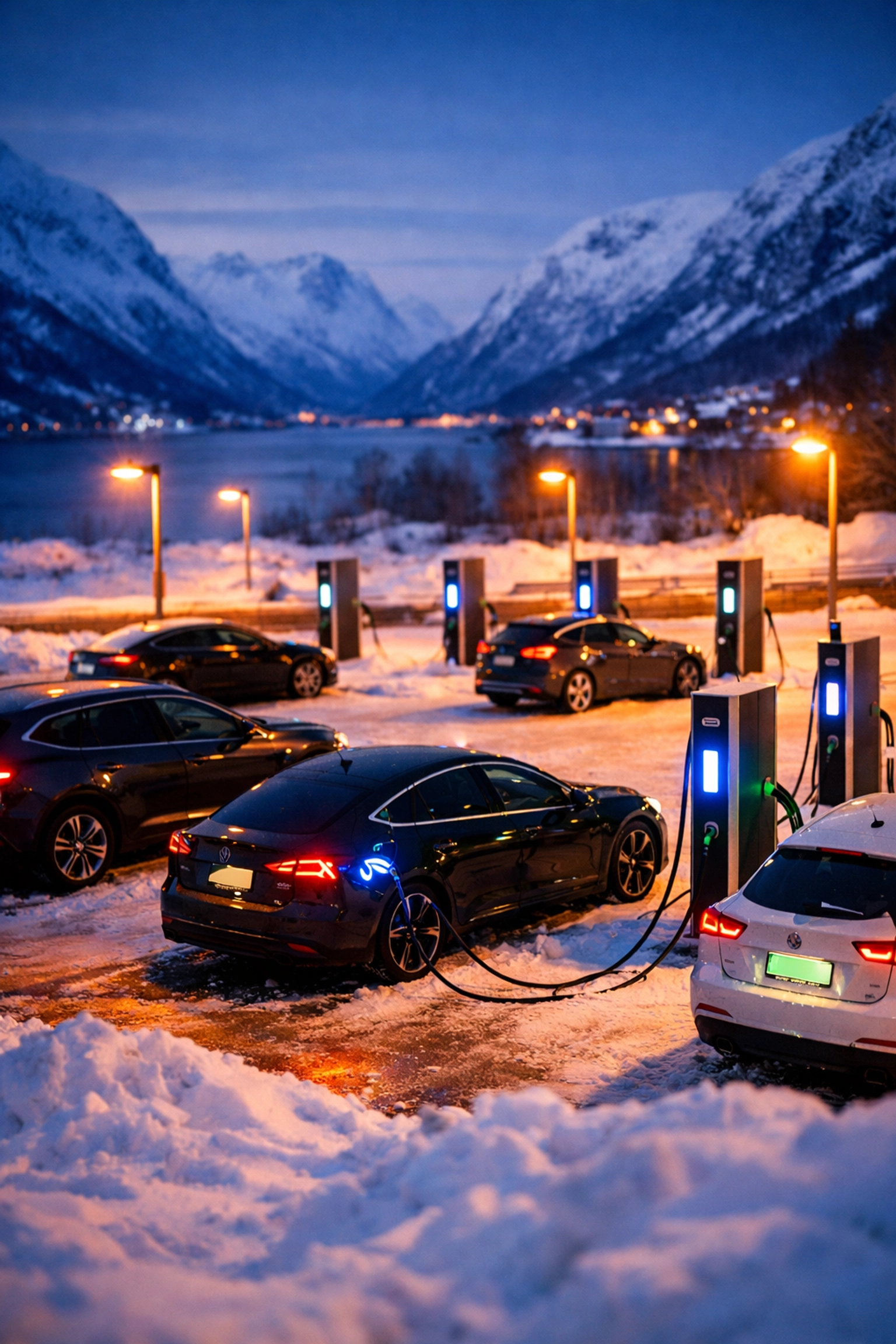
The near-total market shift occurred despite: or perhaps because of: significant policy changes that took effect January 1, 2026. Norway removed key tax incentives that had long made electric vehicles financially attractive to consumers, ending an era of aggressive fiscal support for EV adoption. The policy change triggered predictable consumer behavior: overall new vehicle registrations dropped 77 percent in January compared to the previous year, as buyers rushed to complete purchases in December before the incentives expired.
That December surge pushed battery-electric vehicles to a record 97.6 percent market share, demonstrating both extreme sensitivity to tax policy and the underlying strength of Norway's EV infrastructure and consumer preference. The country had already achieved 95.9 percent BEV market share across all of 2025, suggesting the transition had reached a tipping point where electric vehicles became the default choice regardless of subsidy levels.
Norway's path to this milestone began decades ago with a comprehensive strategy combining tax exemptions, toll waivers, bus lane access, and free municipal parking for electric vehicles. The country leveraged its substantial oil wealth: Norway remains one of Europe's largest petroleum exporters: to fund the transition away from fossil fuel consumption in its domestic market. Charging infrastructure expanded alongside consumer adoption, creating a network that now supports widespread EV use even in rural and northern regions where winter temperatures and long distances had historically favored conventional vehicles.
Multiple Lenses
Climate and air quality advocates view Norway's achievement as proof that rapid transportation electrification is both technically feasible and economically viable at national scale. The transition delivers measurable reductions in urban air pollution and positions Norway to meet ambitious carbon reduction targets, particularly significant given the country's stated environmental commitments.
Consumer and industry voices raise valid questions about the model's replicability and equity implications. Norway's unique combination of small population, concentrated wealth, and oil revenue created conditions few other nations can match. The removal of tax incentives in 2026 coincided with a massive registration drop, suggesting price sensitivity remains high even in a mature EV market. For lower-income households and rural communities without established charging networks, the rapid phase-out of affordable conventional vehicles could limit transportation options and increase financial strain.
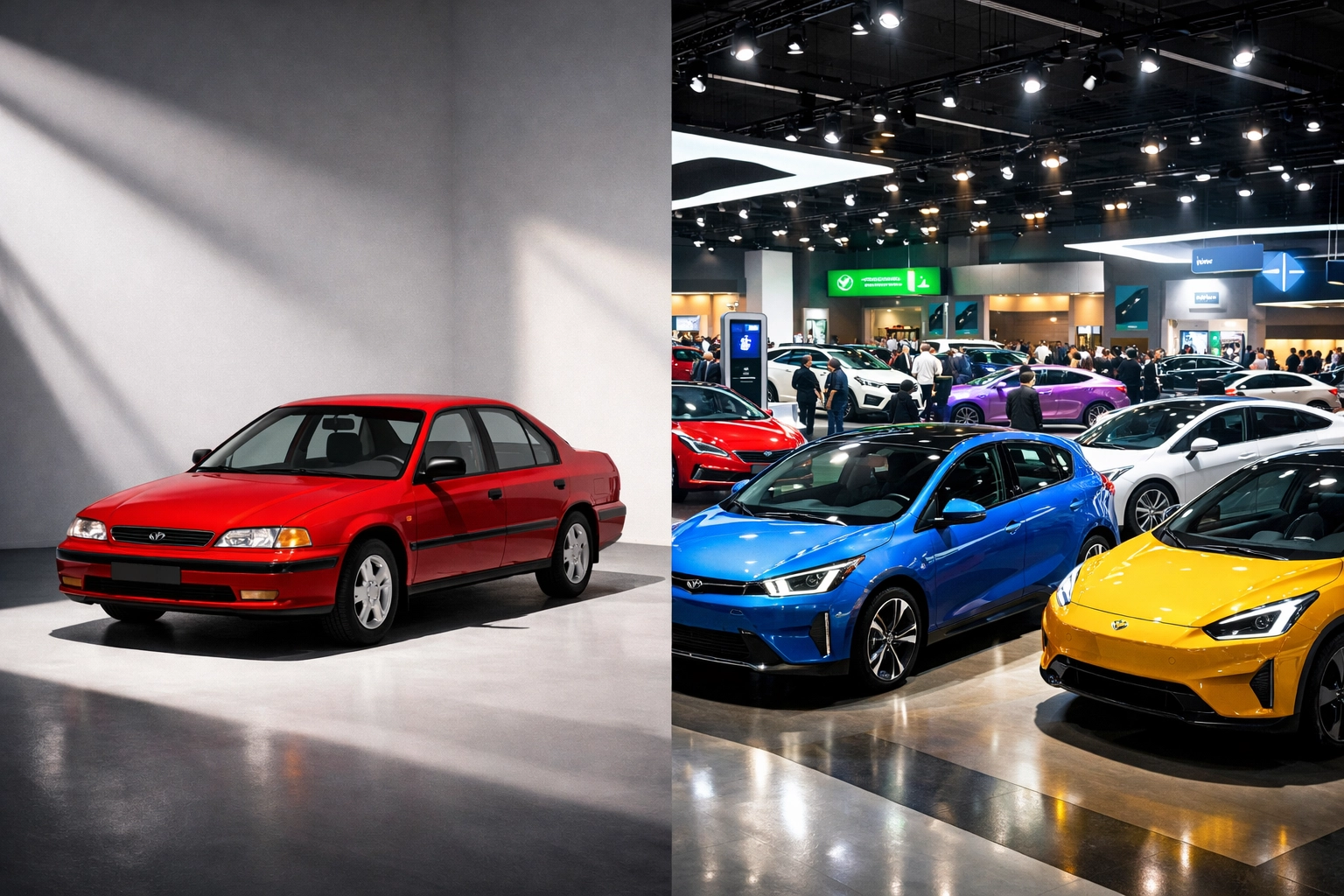
Infrastructure concerns persist in other markets attempting similar transitions. While Norway built extensive charging capacity over years, many countries face grid stability questions, charging desert regions, and apartment-dwelling populations without home charging access. The technology's performance in extreme weather: both cold and hot: continues to generate practical worries about range, battery longevity, and reliability for those who cannot afford frequent vehicle replacement.
Choice and personal freedom arguments also surface in policy debates. Some observers note that market transformations driven by heavy government intervention, even for environmental goals, can narrow consumer options and penalize those whose circumstances don't align with preferred technologies. The question of whether transportation electrification should emerge organically from consumer preference and technological improvement versus government mandate remains contested across political and ideological lines.
A Word of Scripture and Stewardship
Genesis 2:15 places humans in creation "to work it and take care of it": a foundational stewardship mandate that shapes how believers think about environmental responsibility. We're called to tend what we've been given, to exercise wise dominion that preserves rather than destroys, to consider the long-term impact of our collective choices on air, water, and the systems that sustain life.
At the same time, Proverbs 31:8-9 calls God's people to "speak up for those who cannot speak for themselves" and "defend the rights of the poor and needy." Wisdom asks us to hold both truths simultaneously: care for creation and care for the vulnerable. Any transition: environmental, technological, economic: must wrestle honestly with who bears the cost, who gets left behind, and whether the pace of change allows the least resourced among us to adapt without crushing burden.
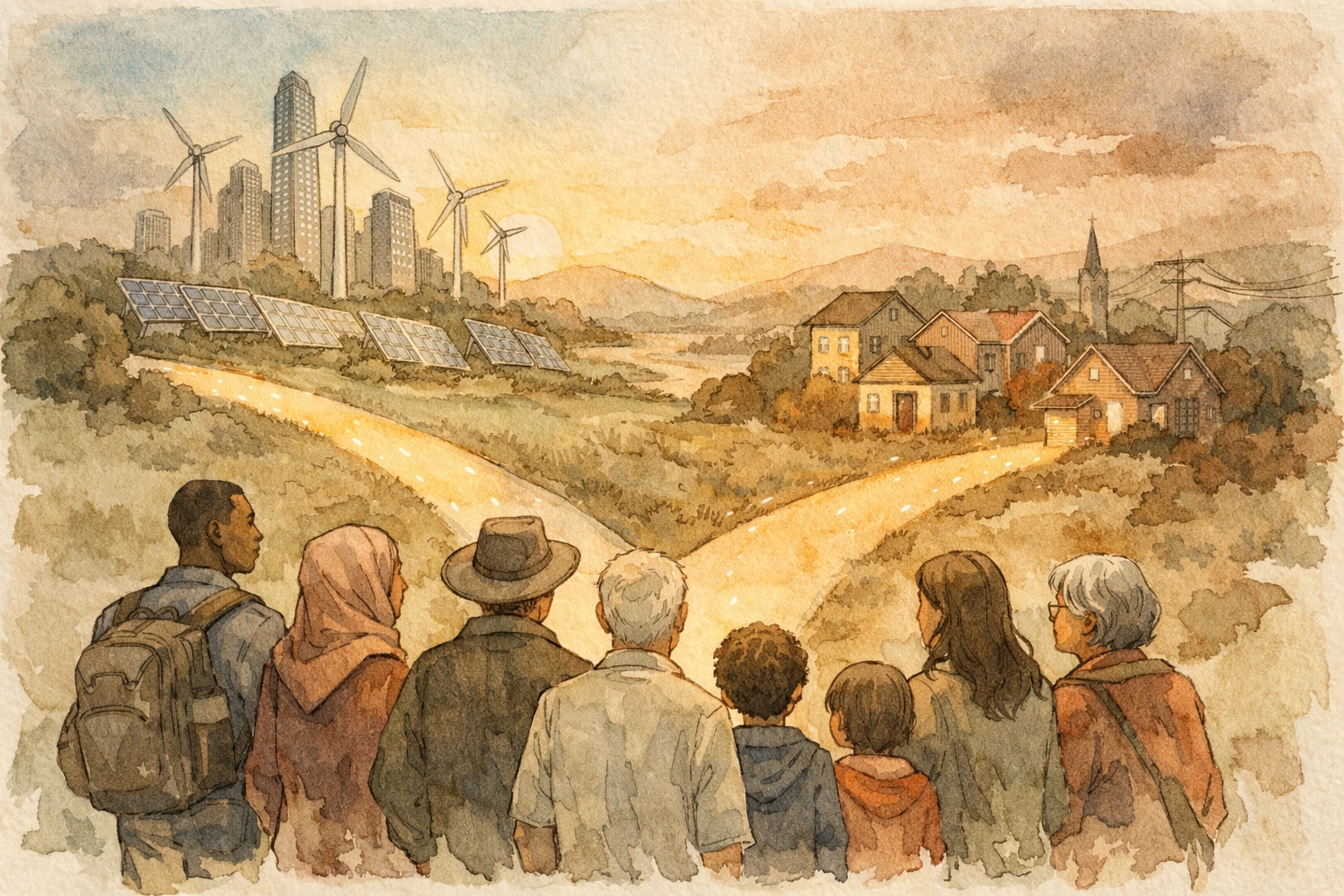
Norway's story demonstrates that dramatic environmental progress is possible when nations commit resources and political will. It also reveals the complexity of replicating such change in contexts without comparable wealth or infrastructure. The stewardship question isn't whether we should pursue cleaner transportation, but how we do so in ways that honor both environmental responsibility and economic justice, both creation care and neighbor love.
A Calm Next Step
Whether you drive electric, gas, diesel, or share rides on public transit, the transportation choices before us: personal and collective: don't require panic or tribal positioning. They invite thoughtful engagement with competing goods: environmental stewardship, economic accessibility, technological readiness, and infrastructure realities.
For individuals, the next step might be simple curiosity: learn what EV options exist in your price range, investigate charging infrastructure in your area, and make decisions based on your actual needs rather than cultural signaling or political identity. If an electric vehicle serves your circumstances well, that's worth considering. If it doesn't: because of cost, range requirements, or charging limitations: conventional vehicles remain viable tools for the work and relationships that fill your days.
For communities and policymakers, Norway's experience offers both inspiration and caution. Rapid transitions are achievable with sustained investment and clear policy direction. But equity concerns are real, infrastructure gaps matter, and the distance between wealthy Nordic nations and diverse global contexts shouldn't be minimized. The path forward likely requires patience, incremental progress, and genuine attention to those for whom transportation electrification represents burden rather than breakthrough.
Most importantly, these decisions don't have to divide us. We can honor creation without demonizing those who drive older vehicles. We can pursue cleaner air without dismissing legitimate infrastructure concerns. We can steward resources wisely while defending the poor and needy from policies that inadvertently harm them.
An Invitation
If you're wrestling with how to lead: whether in your household, your business, or your community: through complex transitions that involve competing values and real trade-offs, you don't have to figure it out alone. Faithful decision-making in seasons of rapid change requires both conviction and humility, both vision and practical wisdom.
Christ-centered coaching and mentoring can help you navigate these intersections with clarity, grounding your choices in something deeper than tribal pressure or reactive positioning. If that sounds like a conversation worth having, visit laynemcdonald.com to explore how personalized guidance might serve your specific leadership context.
Source:The Guardian

$50
Product Title
Product Details goes here with the simple product description and more information can be seen by clicking the see more button. Product Details goes here with the simple product description and more information can be seen by clicking the see more button

$50
Product Title
Product Details goes here with the simple product description and more information can be seen by clicking the see more button. Product Details goes here with the simple product description and more information can be seen by clicking the see more button.
$50
Product Title
Product Details goes here with the simple product description and more information can be seen by clicking the see more button. Product Details goes here with the simple product description and more information can be seen by clicking the see more button.
Comments