

Brief: Pakistan mosque bombing reported to kill dozens in Islamabad
- Layne McDonald
- 22 hours ago
- 5 min read

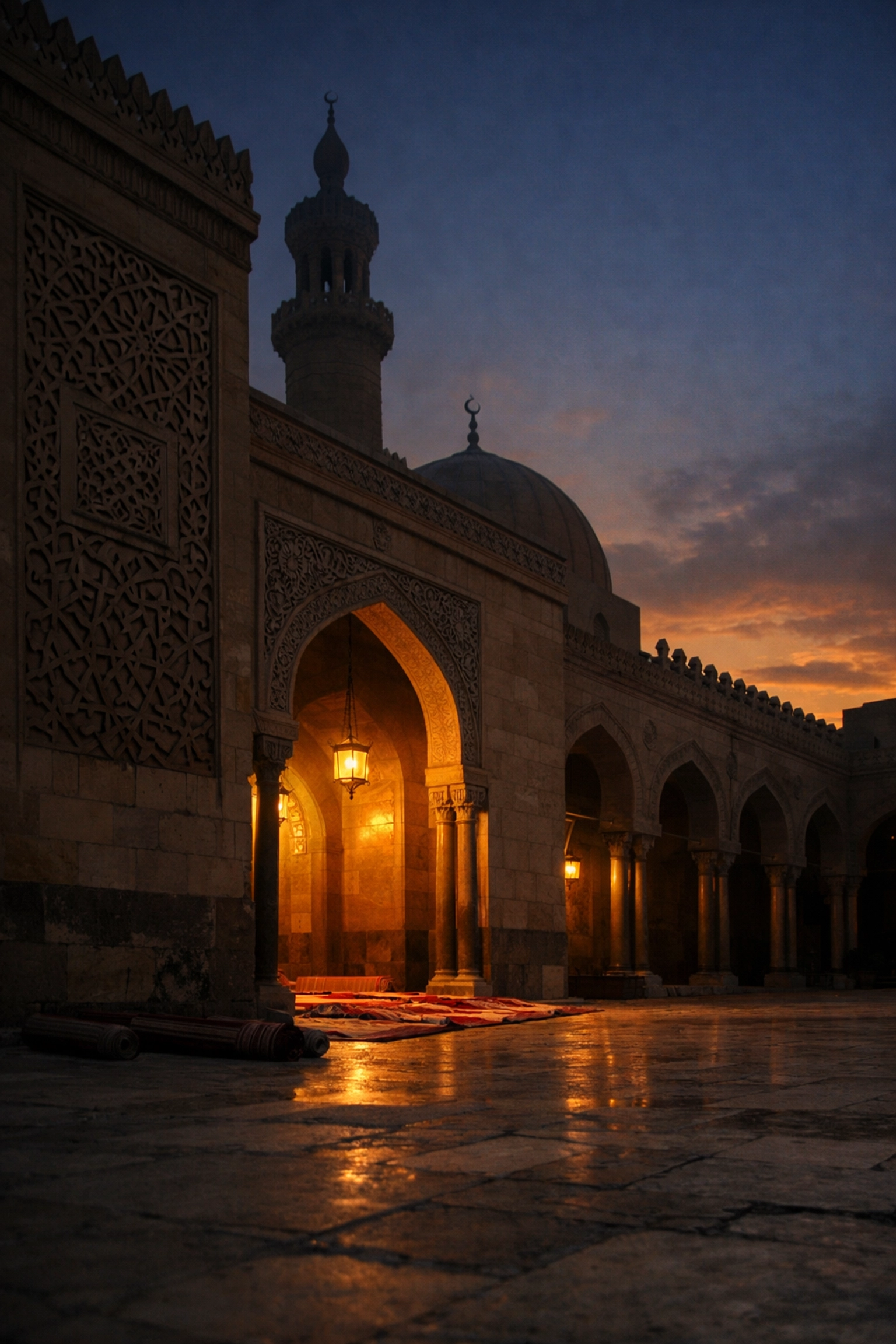
February 6, 2026 : A suicide bombing at a Shiite mosque in Islamabad killed at least 31 people and wounded 169 others during Friday prayers, according to reports from Pakistani officials. The attack occurred at the Khadija Al-Kubra mosque on the outskirts of Pakistan's capital city.
The Facts
Police are investigating whether the attack was carried out by a suicide bomber who reportedly opened fire at the mosque gates before detonating an explosive device. The incident took place during Friday prayers, when the building was crowded with worshippers.
No group has immediately claimed responsibility for the bombing. Security analysts note that potential suspects include the Pakistani Taliban (TTP) or the Islamic State group, both of which have previously targeted Shiite worshippers in Pakistan.
The death toll may rise as some of those wounded remain in critical condition. A state of emergency was declared in Islamabad hospitals, and Shiite community leaders issued urgent appeals for blood donations.
This attack represents the deadliest incident in Islamabad since 2008, when a bombing at the Marriott Hotel killed 63 people. The bombing reflects Pakistan's ongoing struggle with extremist violence, which has intensified in recent months amid attacks by Baloch separatist groups and militant factions.
International leaders condemned the attack. United Nations Secretary-General António Guterres released a statement expressing condolences. Pakistani President Asif Ali Zardari and Prime Minister Shehbaz Sharif ordered full investigations into the incident and pledged to hold those responsible accountable.
Security officials have called for enhanced protective measures at religious sites, while civil liberties advocates emphasize the need to protect community freedoms during investigations. Shiite community leaders have expressed concern about potential backlash and the need for unity rather than division in the aftermath of violence.
The Lens
When violence shatters a place of prayer, we face the oldest and hardest question: how can human beings commit such acts, and how should the rest of us respond?
Scripture acknowledges both the reality of evil and the call to pursue peace. The psalmist cries out, "How long, Lord? Will you forget me forever? How long will you hide your face from me?" (Psalm 13:1). The honest grief of that question makes space for those mourning today in Islamabad: families who gathered for worship and left with empty seats at their tables.
At the same time, the biblical witness refuses to let grief become the final word. "Blessed are the peacemakers, for they will be called children of God" (Matthew 5:9). Jesus spoke those words to people living under occupation, familiar with violence, and tempted toward revenge. He offered a third way: not passivity, not retaliation, but active peacemaking rooted in the character of God.

Justice and mercy are not opposites in the biblical framework: they are partners. "He has shown you, O mortal, what is good. And what does the Lord require of you? To act justly and to love mercy and to walk humbly with your God" (Micah 6:8). Acting justly means pursuing truth, protecting the vulnerable, and holding perpetrators accountable. Loving mercy means refusing to let violence define our response, rejecting collective blame, and extending compassion even when it feels costly.
The challenge for those watching from a distance is to avoid the twin temptations of indifference and tribalism. Indifference says, "This is far away and doesn't concern me." Tribalism says, "This confirms what I already believed about those people." Both responses dehumanize. Both fail the test of loving our neighbor.
The biblical call is simpler and harder: to see the image of God in every person affected: the victims, their families, the investigators working for justice, the communities processing fear, and even those who may have been radicalized by ideology. Seeing the image of God in everyone does not mean excusing evil. It means refusing to respond to dehumanization with more dehumanization.
The Response
If you are processing this news from a distance, here are some grounded next steps:
Pray specifically. Prayer is not passive when it's specific. Pray for the families grieving lost loved ones. Pray for the wounded recovering in Islamabad hospitals. Pray for investigators seeking truth and accountability. Pray for community leaders working to prevent backlash and promote unity. Pray for those tempted toward revenge, that they would find a better path. Pray for wisdom for officials balancing security and civil liberties.
Resist the rush to tribal narratives. In the hours after an attack, speculation often outpaces facts. Resist the urge to use this tragedy as ammunition for pre-existing political or cultural arguments. Wait for verified information. Speak about people: all people: with dignity.
Learn the difference between a faith tradition and the violent extremists who hijack it. The vast majority of Muslims worldwide condemn attacks like this, just as Christians condemn violence done in the name of Christianity. Blanket statements about any religious group are unjust and unhelpful. If you don't personally know people from the affected community, consider that a gap worth addressing in your own life.

Support credible humanitarian organizations. If you feel moved to act, research organizations working in Pakistan on conflict resolution, trauma care, or support for victims of violence. Effective giving requires homework, but it's one tangible way to move from sadness to service.
Examine your own heart. Ask yourself: do I harbor contempt for any group of people? Have I allowed fear or anger to justify dehumanizing language or thoughts? The call to peacemaking starts internally. "If it is possible, as far as it depends on you, live at peace with everyone" (Romans 12:18). That "as far as it depends on you" is the operative phrase. You can't control global violence, but you can control how you speak, think, and act toward others in your daily life.
Model a better way. If you lead a team, teach a class, or raise children, use moments like this to model thoughtful, compassionate response. Show others how to hold truth and mercy together, how to pursue justice without cruelty, and how to grieve without giving in to cynicism or despair.
The long work of peace is not glamorous. It's the accumulation of a thousand small decisions to choose hope over fear, truth over rumor, and mercy over contempt. It's the decision to keep seeing the image of God in people when the news tempts you to see only enemies or statistics.
The Invitation
If you're wrestling with how to lead with both truth and mercy: in your family, your workplace, or your own heart: you don't have to figure it out alone. Christ-centered coaching and mentoring can help you develop the internal strength and practical wisdom to navigate a fractured world without losing your soul in the process.
Visit www.laynemcdonald.com to explore how one-on-one coaching can equip you to lead with clarity, conviction, and compassion: especially when the headlines test everything you believe about peace.
Source:The Guardian

$50
Product Title
Product Details goes here with the simple product description and more information can be seen by clicking the see more button. Product Details goes here with the simple product description and more information can be seen by clicking the see more button

$50
Product Title
Product Details goes here with the simple product description and more information can be seen by clicking the see more button. Product Details goes here with the simple product description and more information can be seen by clicking the see more button.
$50
Product Title
Product Details goes here with the simple product description and more information can be seen by clicking the see more button. Product Details goes here with the simple product description and more information can be seen by clicking the see more button.
Comments