
Brief: Study warns deepfake fraud is happening at 'industrial scale'
- Dr. Layne McDonald
- Feb 6
- 5 min read

"The wise are cautious and avoid danger; fools plunge ahead with reckless confidence." : Proverbs 14:16 (NLT)
What Happened
Researchers and financial security experts are reporting that deepfake fraud: the use of AI-generated audio, video, or images to impersonate real people: has reached what they describe as "industrial scale" in 2025 and early 2026.
According to studies cited by The Guardian and industry reports, approximately 8 million deepfakes were shared in 2025, a sixteen-fold increase from the 500,000 recorded in 2023. Within the financial services sector, more than 40 percent of professionals report direct encounters with deepfakes used in fraud attempts. Ninety percent of surveyed respondents indicate that fraudsters are actively using generative AI tools in their operations.

Financial losses reflect the expanding scope of the problem. During the first half of 2025 alone, deepfake-related fraud losses exceeded $410 million. Individual incidents now routinely reach $680,000 or more per event. Industry projections estimate that generative AI-enabled fraud across the financial sector could reach approximately $40 billion annually by 2027, up from $12.3 billion in 2023.
Separate research found that 92 percent of companies surveyed have experienced economic loss due to a deepfake incident, while 25.9 percent of executives report that their organizations have faced one or more deepfake incidents.
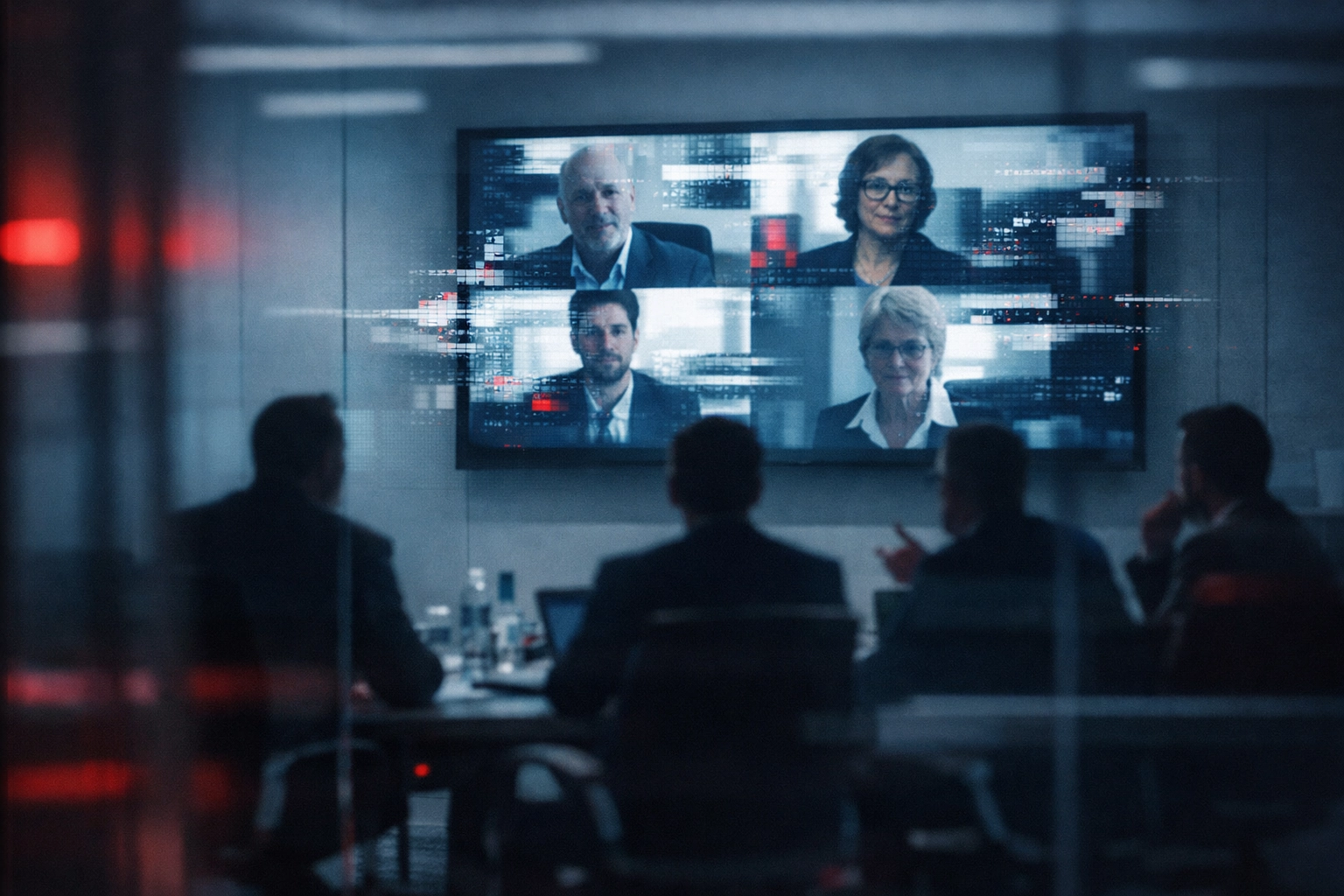
One of the most widely cited cases occurred in Hong Kong in early 2025, when a finance employee authorized fifteen separate transfers totaling nearly $25 million after participating in what appeared to be a legitimate video conference. The employee believed they were speaking with the company's chief financial officer and several colleagues. All participants in the video call were AI-generated deepfakes.
Security analysts expect deepfakes to be embedded in most high-impact fraud scenarios by the end of 2026, including account onboarding, account takeovers, payment authorizations, and internal corporate scams.
What People Are Saying
Cybersecurity professionals emphasize that the tools to create convincing deepfakes have become accessible to non-experts. Generative AI platforms, originally designed for creative and productivity purposes, are being repurposed for fraud with minimal technical skill required.
Financial industry leaders point to the tension between rapid digital transformation and security infrastructure. As banks and businesses adopt faster digital onboarding and video-based verification systems, fraudsters have adapted by creating synthetic identities and impersonating executives in real time.
Some experts advocate for stronger regulatory frameworks and mandatory AI disclosure requirements. Others argue that education and internal verification protocols are more effective than regulation, particularly given the speed at which AI technology evolves.
Law enforcement agencies acknowledge that prosecuting deepfake fraud is complicated by jurisdictional issues, the anonymity of digital actors, and the difficulty of proving intent when AI tools automate deception.
Consumer protection advocates stress that ordinary individuals: not just corporations: are increasingly targeted. Deepfake schemes now include impersonation of family members requesting emergency funds, fake job interviews designed to steal identity documents, and romantic scams using fabricated video personas.
A Biblical Lens
The Bible addresses deception with clarity and gravity. Proverbs 12:22 says, "The Lord detests lying lips, but he delights in people who are trustworthy." Deepfake fraud is not simply a technological challenge; it is a moral issue rooted in deceit, manipulation, and the exploitation of trust.
At the same time, Scripture calls believers to be "shrewd as snakes and innocent as doves" (Matthew 10:16, NIV). Wisdom does not mean cynicism or paranoia. It means discernment: the ability to recognize danger without losing the capacity for trust and relationship.
The scale of deepfake fraud reveals something deeper: a cultural crisis of trust. When technology can fabricate reality so convincingly that even trained professionals are deceived, the foundations of human interaction begin to shift. This is not a problem that technology alone can solve.
God's word offers a different foundation. Psalm 15 describes the person who may dwell in God's presence: "The one whose walk is blameless, who does what is righteous, who speaks the truth from their heart...who keeps an oath even when it hurts." Integrity is not just a personal virtue; it is the bedrock of community. When deception becomes industrialized, the call to integrity becomes urgent.
Christians are not called to retreat from the digital world or live in fear of every video call. We are called to build lives and organizations rooted in truth, accountability, and transparency: qualities that stand in direct opposition to the mechanics of fraud.
A Calm Next Step
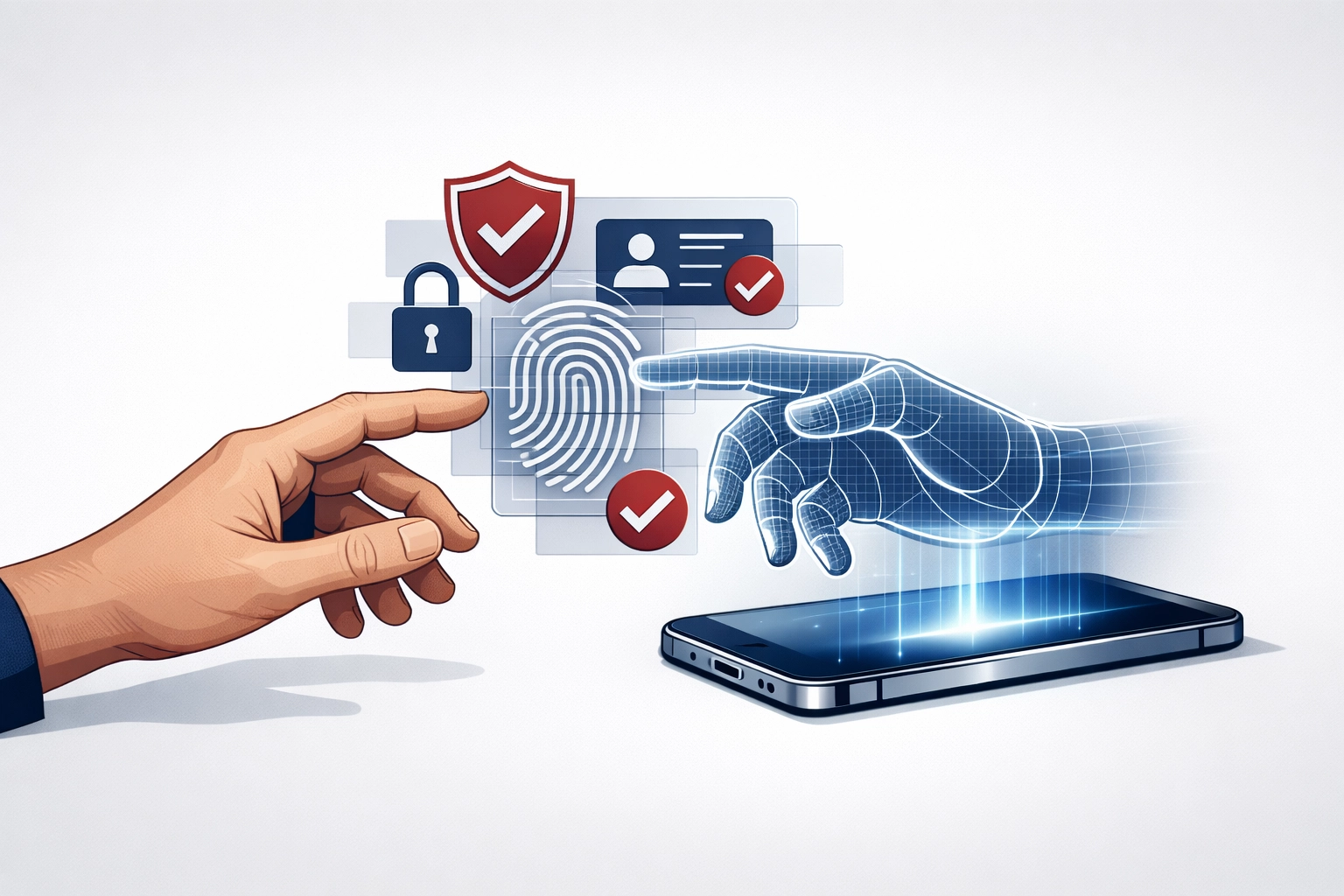
If you work in finance, operations, or any role involving fund transfers or sensitive data, now is the time to implement layered verification protocols. A video call is no longer sufficient proof of identity. Consider requiring secondary confirmation through separate communication channels: a phone call from a known number, a pre-established verification code, or an in-person check for high-value transactions.
For individuals, adopt skepticism without cynicism. If you receive an urgent request from a family member, employer, or authority figure via video, audio, or text, pause. Verify through a separate method before responding. If something feels off, it probably is.
Pray for discernment. Ask God to sharpen your ability to recognize manipulation and to give you the courage to question what you see and hear. Proverbs 2:6 reminds us, "For the Lord gives wisdom; from his mouth come knowledge and understanding." Wisdom is both a spiritual gift and a practical discipline.

Organizations should invest in employee training that goes beyond technical protocols. People need to understand the psychological tactics used in fraud: urgency, authority, fear, and isolation. These are not new tactics; they are ancient manipulations dressed in modern technology.
Finally, cultivate a culture where questions are welcomed, not punished. Many fraud victims hesitate to verify because they fear appearing distrustful or incompetent. Create environments where asking for confirmation is seen as responsible, not suspicious.
Hope and a Way Forward
The rise of deepfake fraud is alarming, but it is not hopeless. Throughout history, every new technology has been used for both harm and good. The printing press spread propaganda and truth. The internet enabled both human trafficking and global movements for justice. AI will be no different.
The question is not whether bad actors will exploit new tools: they will. The question is whether people of integrity, wisdom, and courage will build systems, habits, and communities that resist deception and protect the vulnerable.
Second Corinthians 4:2 says, "We have renounced secret and shameful ways; we do not use deception, nor do we distort the word of God. On the contrary, by setting forth the truth plainly we commend ourselves to everyone's conscience in the sight of God." This is the standard for those who follow Christ: plain truth, transparent action, and lives that reflect the character of God.
Deepfake fraud may operate at industrial scale, but truth, integrity, and trust are also scalable. They spread through example, through leadership, and through communities that refuse to normalize deception.
You do not need to be a cybersecurity expert to resist this trend. You simply need to be someone who values truth, asks clarifying questions, and refuses to participate in or excuse dishonesty: even when it is technologically impressive.
The world needs people who build trust, not just tools. It needs organizations where integrity is non-negotiable and individuals who refuse to let fear or convenience erode their commitment to truth.
That kind of person, that kind of community, is still the most powerful defense against deception: no matter how advanced the technology becomes.
If you're feeling stuck: angry, exhausted, or struggling to forgive: you're not alone. If you want help finding your center and peace, you can reach me at www.laynemcdonald.com.
Source: The Guardian (www.theguardian.com)
Comments