

Brief: WHO reports Nipah virus death in Bangladesh
- Layne McDonald
- 21 hours ago
- 5 min read

The Facts
The World Health Organization reported a fatal Nipah virus case in Bangladesh on February 7, 2026. The case originated in the Rajshahi Division in northwestern Bangladesh, an area with a documented history of Nipah outbreaks. Health authorities confirmed the infection through PCR and ELISA laboratory testing on January 29, 2026.
Bangladesh has recorded 348 Nipah virus cases since the first documented case in 2001, with 250 deaths: a case fatality rate of 72 percent. In 2025 alone, the country reported four laboratory-confirmed fatal cases. The virus typically appears in Bangladesh between December and April, coinciding with the date palm sap harvesting season, and outbreaks cluster primarily in central and northwestern districts.
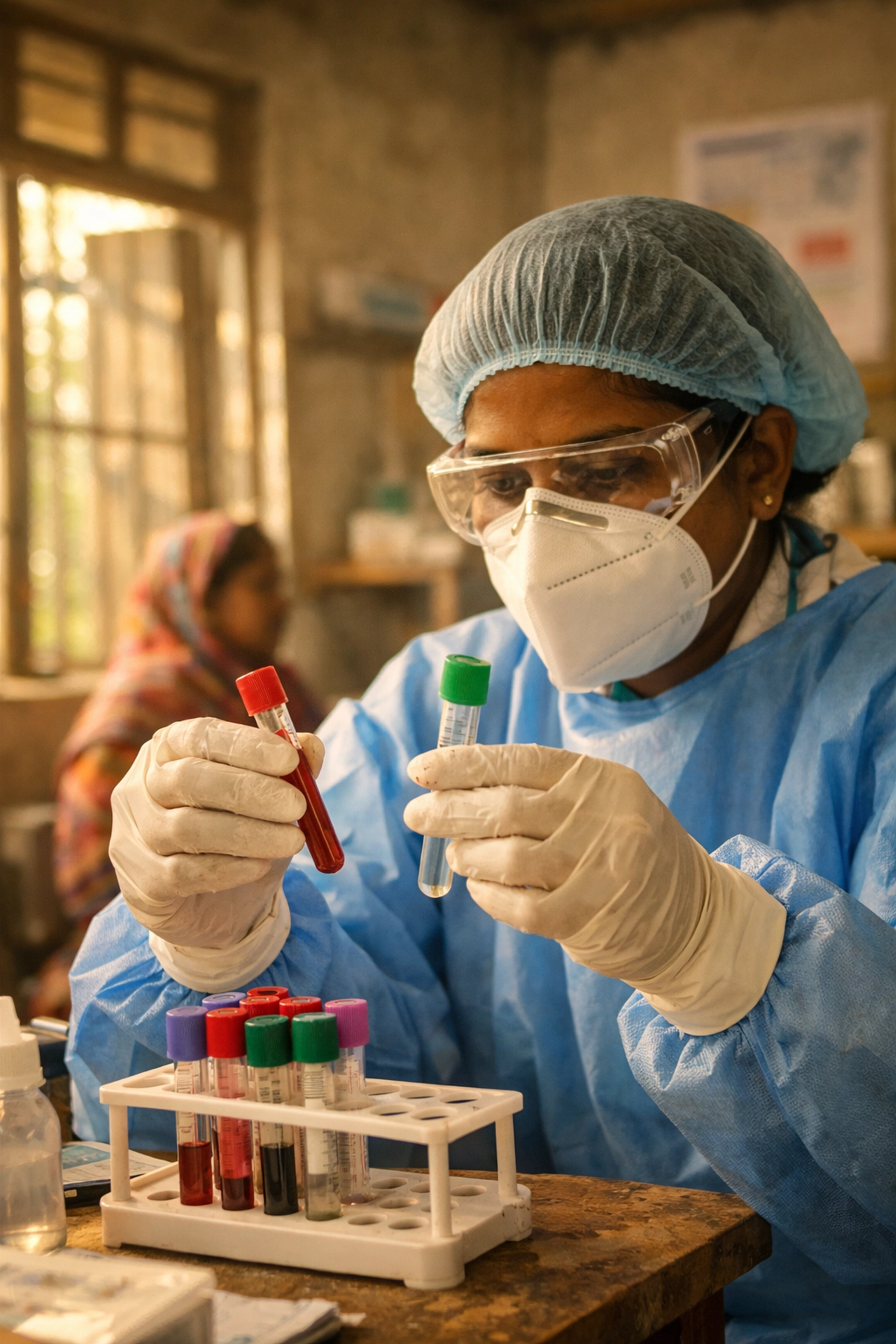
After confirming the recent case, health officials identified 35 contact persons. Six symptomatic contacts provided samples, and all tested negative for Nipah infection. Bangladesh's response included outbreak investigation, active contact tracing, and preparations for advocacy meetings across Nipah-endemic districts.
The WHO assessed the current public health risk at the national level as low. Bangladesh established a hospital-based surveillance system in 2006 and maintains rapid response teams at both central and district levels. These systems allow for quick identification and containment of potential outbreaks.
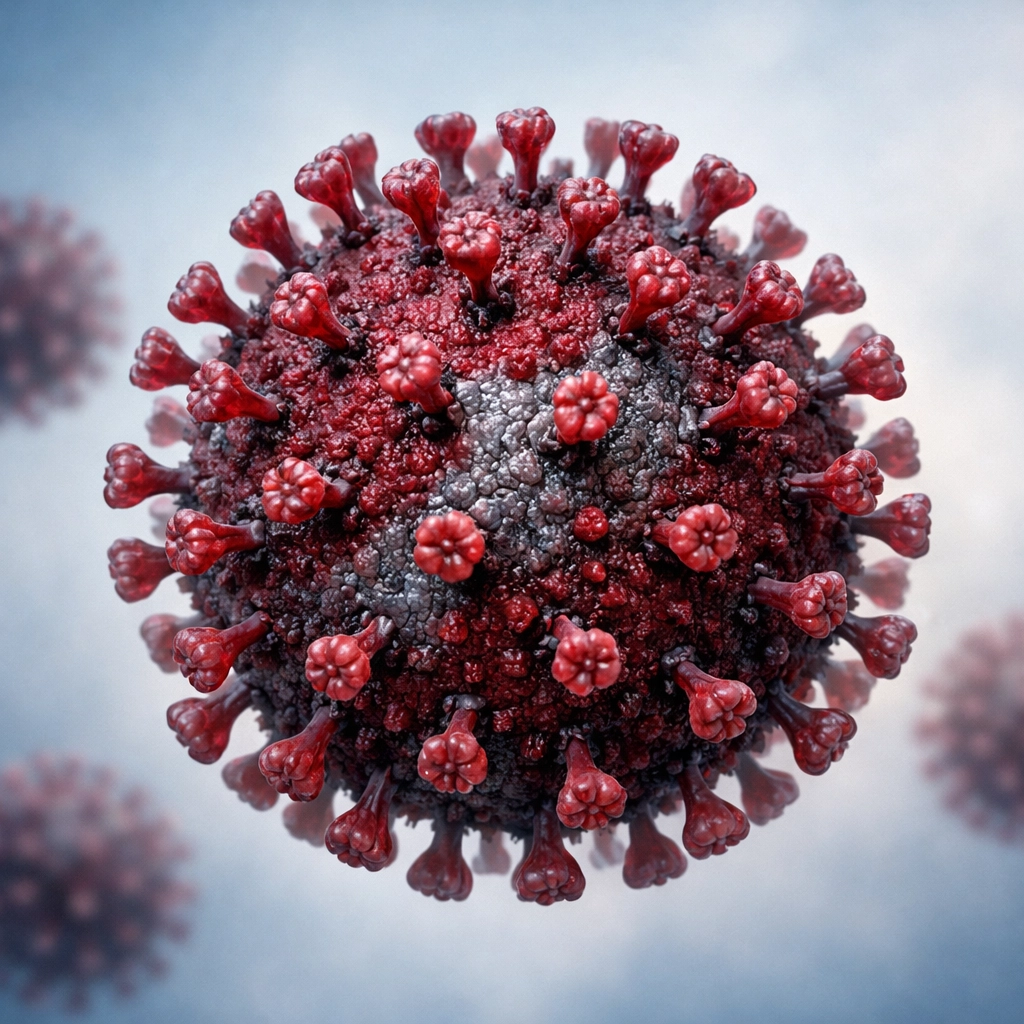
Nipah virus is a zoonotic pathogen that spreads from animals to humans, primarily through consumption of contaminated food or direct contact with infected animals. The virus can also spread person-to-person through close contact with an infected individual's bodily fluids. Symptoms include fever, headache, respiratory illness, and encephalitis. No vaccine or treatment currently exists; care consists of supportive therapy.
Fair Viewpoints
Public health officials emphasize Bangladesh's established surveillance infrastructure and rapid response capability. The WHO noted that all identified contacts tested negative, suggesting the outbreak has been contained. Health authorities point to decades of experience managing Nipah cases and the country's proven track record of implementing contact tracing and outbreak investigation protocols. Officials stress that seasonal patterns are well-understood and that preparedness measures are already in place across endemic districts.
Concerned citizens and public health skeptics raise questions about the 72 percent fatality rate and the lack of effective treatments or vaccines. Some worry that seasonal clustering during sap harvesting season creates predictable vulnerability windows that remain unaddressed year after year. Critics note that while surveillance systems detect cases, they don't prevent them, and Bangladesh's population density could amplify transmission if containment fails. Others express concern about the broader implications of zoonotic disease spread in a world where human-animal contact zones continue to expand.
Both perspectives acknowledge the serious nature of Nipah virus and the need for continued vigilance, even as they differ on assessments of current risk levels and the adequacy of existing response measures.
A Steadying Word
The writer of Proverbs reminds us, "When the storm has swept by, the wicked are gone, but the righteous stand firm forever" (Proverbs 10:25). Disease outbreaks test our resilience and expose our vulnerabilities, but they also reveal our capacity for coordinated response and our commitment to protecting the most vulnerable among us.
This Nipah case represents both loss and learning. Bangladesh has built substantial disease surveillance capability over two decades, transforming hard-won experience into institutional knowledge. Health workers who traced 35 contacts and tested symptomatic individuals performed essential work that protects entire communities. Their labor: often unseen and under-resourced: stands between isolated cases and widespread outbreaks.

At the same time, a 72 percent case fatality rate and the absence of vaccines or treatments should humble us. Medical science has limits. Our best systems cannot eliminate every risk or prevent every death. We live in a world where fruit bats carry viruses, where seasonal agricultural practices create transmission opportunities, and where poverty and geography determine who faces the greatest exposure to disease.
The appropriate response to this reality is neither panic nor complacency. Panic amplifies fear without improving outcomes. Complacency ignores real risks and dishonors those who work to contain them. The middle path: informed awareness paired with practical action: requires discipline.
Scripture consistently calls God's people to care for the sick, to honor those who serve the vulnerable, and to respond to crisis with both wisdom and compassion. Jesus touched lepers when others avoided them. He healed the sick without fanfare or self-promotion. He taught his followers to visit the sick and to see such service as ministry to him directly (Matthew 25:36).
We honor that teaching when we support public health workers, when we respect the science of disease transmission, and when we advocate for vulnerable populations in endemic regions. We also honor it when we refuse to let fear dictate our response and when we extend mercy rather than judgment toward those affected by illness.
The Calm Next Step
If this news creates anxiety, channel that energy toward constructive action. Learn about the work of disease surveillance and the people who staff those systems. Support organizations working on vaccine research for neglected tropical diseases. Pray for health workers in Bangladesh and for families grieving losses from this outbreak and previous ones.

If you have influence or resources, consider how they might support equitable access to healthcare in under-resourced regions. The same infrastructure that detects and contains Nipah outbreaks also addresses maternal mortality, childhood diseases, and dozens of other health challenges. Investment in these systems saves lives well beyond any single disease.
For most readers, the immediate risk from Nipah virus remains negligible. The WHO's low-risk assessment for the national level reflects Bangladesh's proven containment capability. Your response can focus on gratitude for those doing difficult work far from public attention and on a renewed commitment to support health equity globally.
Where you encounter fear-based speculation or alarmist projections about this outbreak, counter them with facts. Where you see dismissiveness about disease risks in developing nations, counter it with empathy. Where you witness politicization of public health, counter it with a commitment to truth-telling that serves the common good rather than tribal loyalties.
Disease outbreaks remind us of our shared vulnerability and our interdependence. A virus in Rajshahi Division matters to the entire global community, not because it poses immediate pandemic threat, but because it affects our human family. The same compassion that should characterize our local communities should extend across borders and continents.
This is not sentimentality. It is the practical outworking of the biblical command to love our neighbors. In an interconnected world, our neighbors include people we will never meet, people whose languages we don't speak, people whose daily struggles differ vastly from our own. Their welfare connects to ours in ways both measurable and immeasurable.
The Nipah case in Bangladesh will likely receive minimal mainstream media attention. Most disease outbreaks in developing nations do. But the health workers tracing contacts, the laboratory technicians running tests, the community educators teaching prevention: they deserve our attention and our prayers. Their faithfulness in small things protects countless lives.
If you're feeling stuck: angry, exhausted, or struggling to forgive: you're not alone. If you want help finding your center and peace, you can reach me at www.laynemcdonald.com.
Source:The Guardian

$50
Product Title
Product Details goes here with the simple product description and more information can be seen by clicking the see more button. Product Details goes here with the simple product description and more information can be seen by clicking the see more button

$50
Product Title
Product Details goes here with the simple product description and more information can be seen by clicking the see more button. Product Details goes here with the simple product description and more information can be seen by clicking the see more button.
$50
Product Title
Product Details goes here with the simple product description and more information can be seen by clicking the see more button. Product Details goes here with the simple product description and more information can be seen by clicking the see more button.
Comments