Door Team Training: Turning Logistical Questions into Care
- Dr. Layne McDonald
- Feb 10
- 5 min read

Every Sunday morning, your welcome center becomes a rapid-fire Q&A station.
"Where's the bathroom?" "What time does the service start?" "Is there a class for my three-year-old?"
These questions come fast. And if we're not careful, we start treating them like transactions, quick answers delivered with a polite smile before moving on to the next person in line.
But here's what most door team training misses: every logistical question is actually a moment of vulnerability. Someone is admitting they don't know something. They're trusting you to help them navigate an unfamiliar space. And that small interaction? It sets the tone for their entire experience.
Church hospitality isn't about efficiency. It's about presence. And your guest services team has the opportunity to turn every "Where do I go?" into "You belong here."
Let me show you how.
The Hidden Emotion Behind Every Question
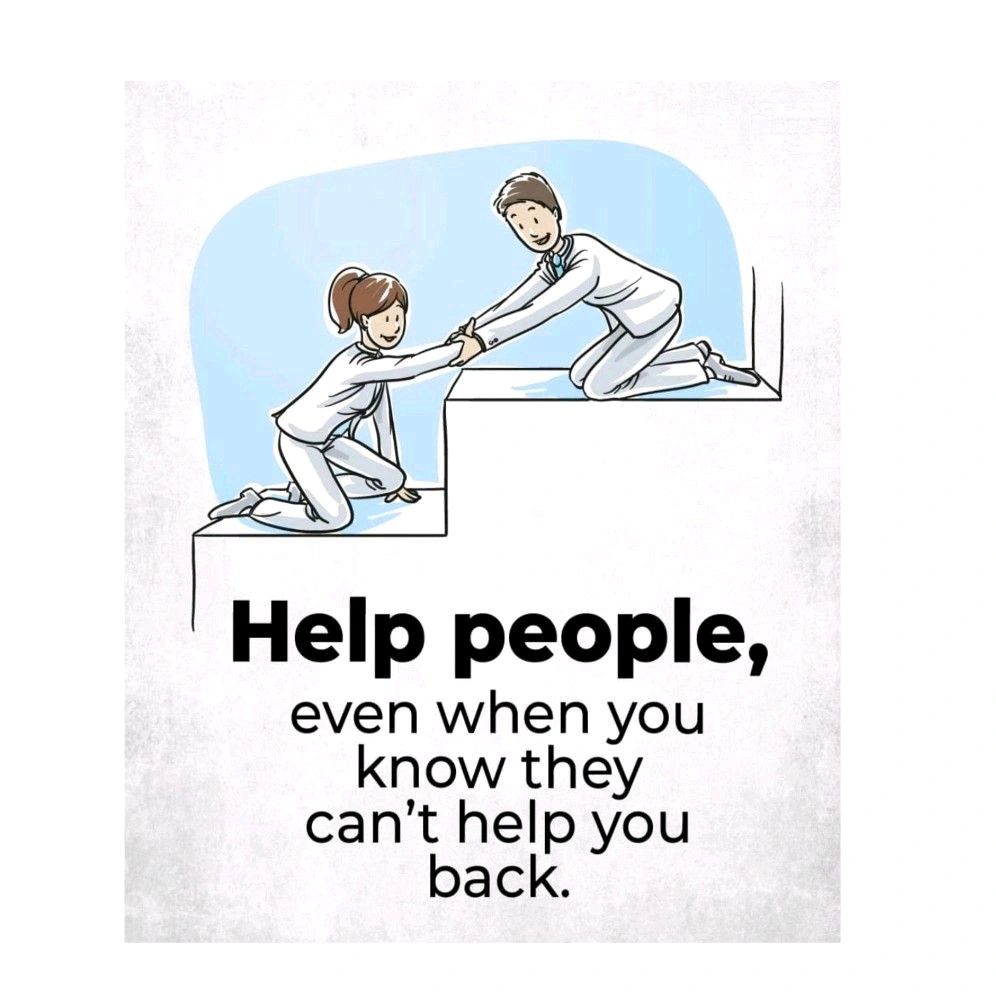
When someone walks up to your welcome center and asks where the youth room is, they're not just looking for directions. They're often feeling:
Uncertainty , "Am I in the right place?"
Exposure , "Everyone else seems to know what's going on except me."
Hope , "Maybe this church will be different."
That's a lot of weight packed into a simple question.
Most guests won't articulate these feelings. They'll just ask about parking or coffee or children's check-in. But underneath, they're scanning for signals. Does this place feel safe? Do these people actually care? Should I come back?
Your job on the door team isn't to be a human GPS. It's to recognize that questions are invitations, invitations to make someone feel seen.
Training Tip #1: Slow Down Your First Response
Here's a common mistake: answering too fast.
When someone asks, "Where's the restroom?" the instinct is to point and say, "Down the hall on the left." Done. Next person.
But speed can accidentally communicate dismissal. It says, "Your question is basic, here's your answer, goodbye."
Instead, try this:
Make eye contact first. Not in a weird, intense way, just a brief moment of connection.
Pause before answering. One second. That's all it takes to shift from "transaction mode" to "care mode."
Answer warmly, then add a follow-up. "The restroom is just down that hall on the left. Is this your first time with us?"
That follow-up question changes everything. It opens a door (pun intended) for real conversation. And even if they say "yes" and move on, you've communicated something powerful: You matter to us.
Training Tip #2: Use Names Generously
Names are one of the most underused tools in church hospitality.
If you're wearing a name tag, point to it and introduce yourself. "I'm Sarah, by the way. Let me know if you need anything else." If they're wearing a guest sticker, use their name back. "Great to meet you, Marcus. Hope you enjoy the service."
This seems small. It's not.
Using someone's name tells them they're not just another face in the crowd. It says, "You're a person, not a number." And in a culture where so many people feel invisible, that recognition carries weight.
Proverbs 27:23 says, "Know well the condition of your flocks, and give attention to your herds." Shepherding starts with knowing who's in front of you. Your welcome center is a front-row seat to that ministry.

Training Tip #3: Walk With, Don't Point At
This one's a game-changer for guest services teams.
When someone asks for directions, resist the urge to point. Instead, walk them partway, or all the way, to their destination.
Yes, this takes more time. Yes, it might mean stepping away from your station for a moment. But the payoff is enormous.
Walking with someone does three things:
It removes confusion. No more "Was it the second hallway or the third?"
It creates conversation. A short walk together opens space for questions, connection, and warmth.
It models the heart of the church. Jesus didn't give directions from a distance. He walked alongside people.
If you can't leave your post, recruit a teammate or a nearby volunteer to escort the guest. The goal is the same: make sure no one feels alone trying to figure out where to go.
Training Tip #4: Anticipate the Question Behind the Question

Sometimes the question someone asks isn't really the question they need answered.
"Where's the children's ministry?" might actually mean, "Is it safe to leave my kid with strangers?"
"What time does the service end?" might mean, "I'm anxious and I want to know when I can leave if I need to."
"Do you have a place to sit in the back?" might mean, "I don't want to be noticed. I'm not sure I belong here yet."
Great door team members learn to listen for the emotion underneath the words. And then they respond to both.
For example:
Question: "Where's the children's ministry?"
Response: "It's right down this hall: I'll walk you there. Our team does background checks on every volunteer, and you'll get a tag that matches your child's so pickup is secure. You're going to love Miss Jenna: she's been with us for years."
You didn't just answer. You anticipated the fear and addressed it before they had to ask.
Training Tip #5: End Every Interaction With an Open Door

Here's a phrase every welcome center volunteer should memorize:
"If you need anything else, come find me."
That simple sentence does a lot of heavy lifting. It tells the guest:
You're not a bother.
You're welcome to ask more questions.
You have a person here: not just a building.
Church hospitality is about reducing friction and increasing belonging. And one of the easiest ways to do that is to leave every interaction with an open invitation.
You're not just giving directions. You're giving permission to return.
The Bigger Picture: You're Shaping First Impressions of God
Let's zoom out for a second.
For many guests walking through your doors, their experience with your welcome center is their first experience of your church. And for some, it might be their first experience of any church in years: or ever.
That's sacred ground.
The way you greet someone at the door shapes how they perceive the people of God. Are we warm or rushed? Are we helpful or mechanical? Are we genuinely glad they came: or just doing our job?
1 Peter 4:9 reminds us to "show hospitality to one another without grumbling." The word used for hospitality there: philoxenia, literally means "love of strangers." That's your calling on the door team. To love the stranger. To treat the newcomer like they already belong.
Every logistical question is a chance to do exactly that.
Start Here This Sunday
You don't need a complete overhaul of your guest services strategy. Start with one shift:
This Sunday, treat every question as a person, not a problem to solve.
Slow down. Make eye contact. Use names. Walk with people. Anticipate the deeper need. And always, always leave the door open for more.
That's how you turn logistical questions into moments of real care. That's how you build a culture of welcome that people remember long after they've found the bathroom.
Comments